How Does Formula One Compete for Attention in the Second-Screen Era?
Special FeatureSunday, 01 February 2026 at 05:24
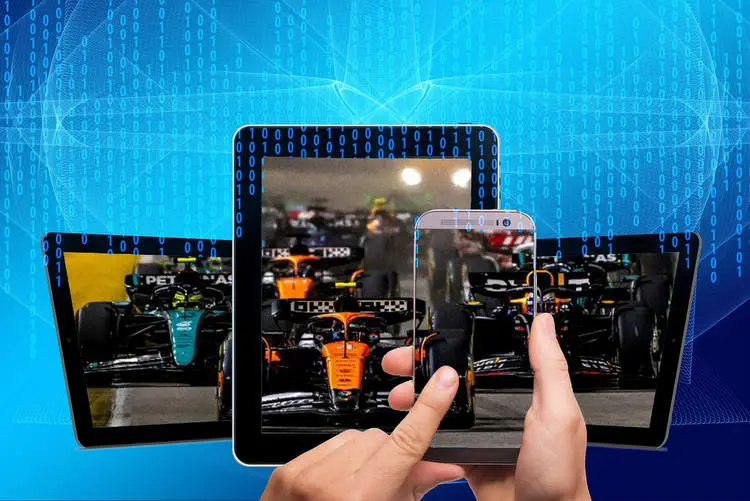
In the second-screen era, many sports have had to adapt to continue to attract viewers’ attention.
Cricket, for instance, now comes in increasingly
shorter formats, with The Hundred the latest attention-grabbing variant of
the classic sport.
Sports need to do what they can to ensure that people aren’t missing out on
them in favour of their smartphones, but they should also lean into this habit
and benefit from growing phone use.
A Sport Designed for Multitasking Viewers
Unlike some sports that have struggled to capture the attention of the
internet generation, Formula One has thrived over the last couple of decades.
In fact, viewership is rapidly increasing, with recent research finding that
there are now
more than 750 million fans of the sport. While sports like baseball and
cricket may have struggled, this hasn’t been the case for Formula One.
The reason for this could be that Formula One is the perfect option for
people who like to multitask. It’s rare that you’ll see only one thing
happening on the screen during the Grand Prix, with countless other elements to
capture your attention. There’s a vast array of information overlaid on the
action, with everything from leaderboards to onboard cameras covered.
The sport doesn’t demand uninterrupted attention, as a lot of the time when
drivers are speeding around the track, not much is happening. It can still stay
compelling when shared with other screens, meaning that viewers can even watch other
entertainment on a second device without it taking away their enjoyment of
the race.
Built for the Digital Native Audience
Formula One’s growing popularity with digitally fluent audiences reflects
its compatibility with second-screen culture. It realises that it doesn’t need
to compete with the smartphone, but to ensure that it can be enjoyed
simultaneously. Indeed, the fact that there are so many different things to
take in during a Grand Prix race gives viewers the feeling that they are
already multitasking.
Today’s internet-savvy viewers are accustomed to this juggling of different
things. Various other forms of entertainment require people to multitask or
combine different elements in the same place, meaning that the mixture of
information seen on screen during a Grand Prix is familiar.
For example, there’s a huge audience out there for live streamed videos now,
with people watching content creators in every genre from cooking to sports.
They have the chance to comment and interact with the creators or other
viewers, thus training to do two things at the same time.
There are various online games that combine different elements as well. Slingo casino games are good examples
of this, as they bring together elements of slots and bingo in the same place.
Players need to pay attention to what happens on each spin, while looking at
the numbers they need to eliminate as well.
Formula One’s success hasn’t come from competing with second-screen culture.
Instead, it has embraced it and made itself more accessible to this digitally
conditioned generation. The sport itself has various elements to appeal to
those who enjoy multitasking, and it also lends itself well to being watched
alongside other forms of entertainment.

Latest News



Loading