F1 2026 Calendar: Tracks, Teams, and the Key Changes of the Season
Special FeatureMonday, 19 January 2026 at 05:25

There will be significant changes in the sport when the 2026 Formula 1 season starts in March with the Australian Grand Prix opener in Melbourne.
The revised list of circuits is just part of the changes; it's a comprehensive blueprint to make the championship one of the most global, sustainable, and unpredictable sports.
Reintroducing the iconic brands, Audi and Ford, is happening together with a radical car redesign and a revamped Grand Prix geography. We analyze the new calendar structure, updated teams, and innovations that will change the average race weekend away from strategy and more towards the competitive spirit of the new era.
Formula 1 in 2026 is standing at a crossroads. The sport is juggling commercial growth and sporting purity, giving technologies freedom and at the same time controlling costs, packing the arena with fans and keeping it environmentally friendly.
The F1 2026 calendar with a record 24 races is the biggest sign of this balancing act but underneath, there is a deeper change that could shake up how championships are won.

Global Geography: Analyzing the 2026 Calendar
The 2026 Formula 1 calendar is a reflection of the sport's continuous evolution towards a global championship. With an impressive count of 24 races distributed over five continents, this season aims to achieve both regional continuity and exposure to new markets.
Logistics Optimization and New Points on the Map
Arguably, one of the defining features of F1 2026 is the focus on the regionalization of races. As a result of grouping races more tightly by region, the team will have less miles of freight to carry, less travel fatigue, and the sport can also cut its carbon footprint. The reduction of pointless globe-trotting has been a major change in F1's schedule since the pandemic.
The key points of the calendar layout are:
- Middle East start season block
- European summer period with minimal transatlantic travel
- Americas-themed run concentrating on North and South America
- Asia-Pacific finale including traditional fan favorites
New and developing venues are of great importance in this concept. Madrid’s planned street circuit is a demonstration of Formula 1’s future business model: the combination of city center visibility with temporarily installed infrastructure. These street races are a complement to the existing permanent circuits instead of being a replacement for them.
Schedule data backing up the above points include:
- 24 total races, thus resulting in full utilization of the current maximum cap
- Double-headers in a few places reducing the teams logistical burden
- Almost equal number of rounds at old circuits versus modern street tracks
The season is still led by staple events like the economy Australia Grand Prix, the Canada Grand Prix, and the European classics. Performing races such as the Australian GP still provide fans with high-speed excitements in the first months of the year, while the Canada GP serves as a tactical joker in terms of weather variations and safety car occurrences.
Formula 1’s worldwide growth is also changing how fans connect with the sport outside the race track. As the races take place in various time zones, digital engagement- from live timing to fantasy leagues- has taken center stage in the modern F1 experience. The expanding online arena is simply reflecting the patterns that have been noticed in other digital entertainment sectors, including fast payout online casinos, where user demand is mainly characterized by speed, convenience and instant interaction.
The Team Landscape: New Entrants and Manufacturer Alliances
At first, one might think the 2026 paddock appears pretty much the same, but if you dig deeper, you will see that the power dynamics have radically changed.
Audi’s Debut and Red Bull’s Evolution into a Manufacturer
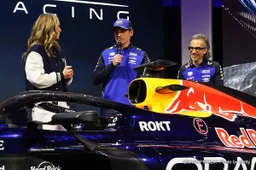
The biggest news is Audi F1 officially becoming a part of the grid and assuming complete control of the Sauber operation. The entry of Audi is not a mere branding exercise but a signal of a long-term commitment, the company is heavily investing in the infrastructure and power unit development.
Meanwhile, through its partnership with Ford, Red Bull gradually moves from a customer-style setup to its manufacturer-backed team. Although Ford branding is back in Formula 1, Red Bull keeps technical control; thus, this partnership is more about using hybrid technology and gaining sustainability credentials rather than engine supply.
What is more, the situation with Aston Martin F1 drastically changes when Honda decides to make the team its exclusive factory partner. The good news for Aston Martin is that, besides great ambitions and a brand-new looking factory, it also gets a partner whose record in the previous hybrid eras speaks for itself.
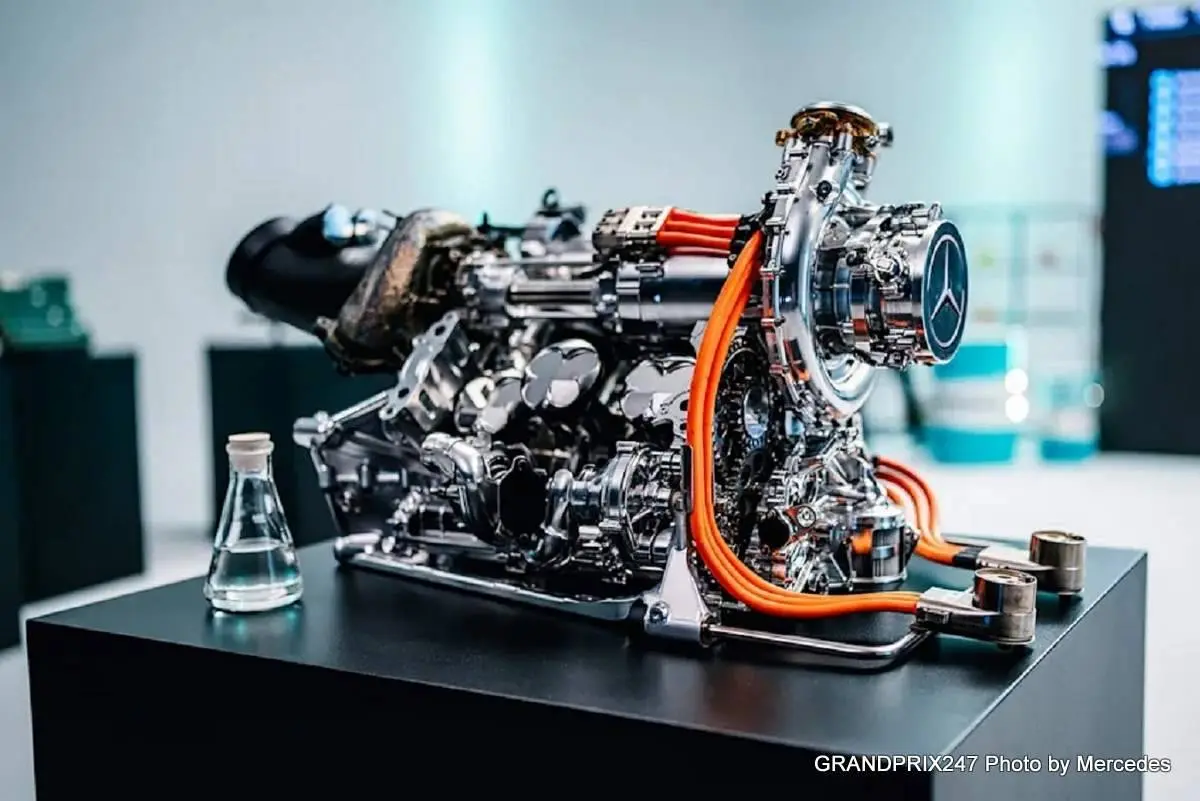
Up to 2026, there will be six-power unit manufacturers in Formula 1, namely:
- Mercedes
- Ferrari
- Renault
- Honda
- Audi
- Red Bull Powertrains (with Ford partnership)

Changes in the ownership and supply of engines have been the cause of the injection of substantial investments all over the grid. New equipment is being bought, the number of employees is increasing, and the time for setting long-term development plans is coming earlier than ever.
Of course, these developments have been a catalyst to the shift in driver contracts.
The Driver Market: Experience vs. Youth in Times of Change
Regulation changes frequently cause disruption but eventually open up new possibilities. However, in 2026 it seems that having a constant situation has become something that is highly valued.
Key Transfers and Leaders of the Reimagined Grid
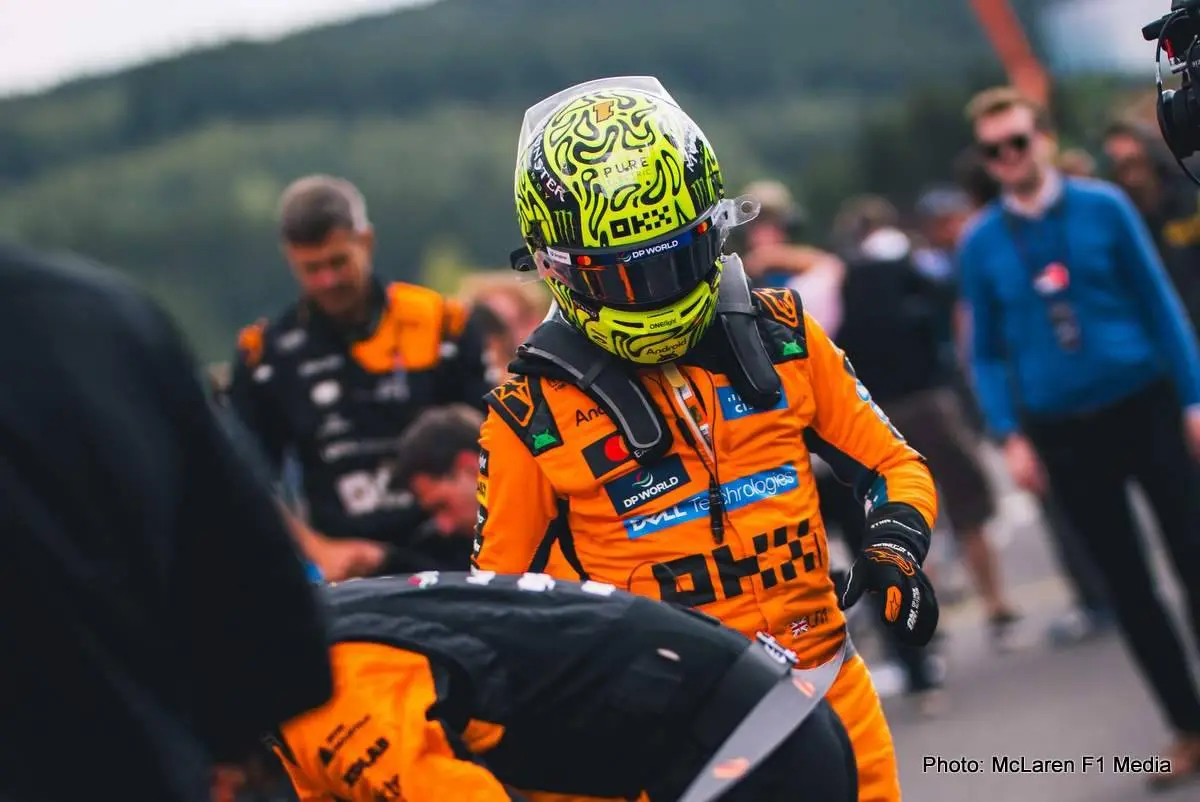
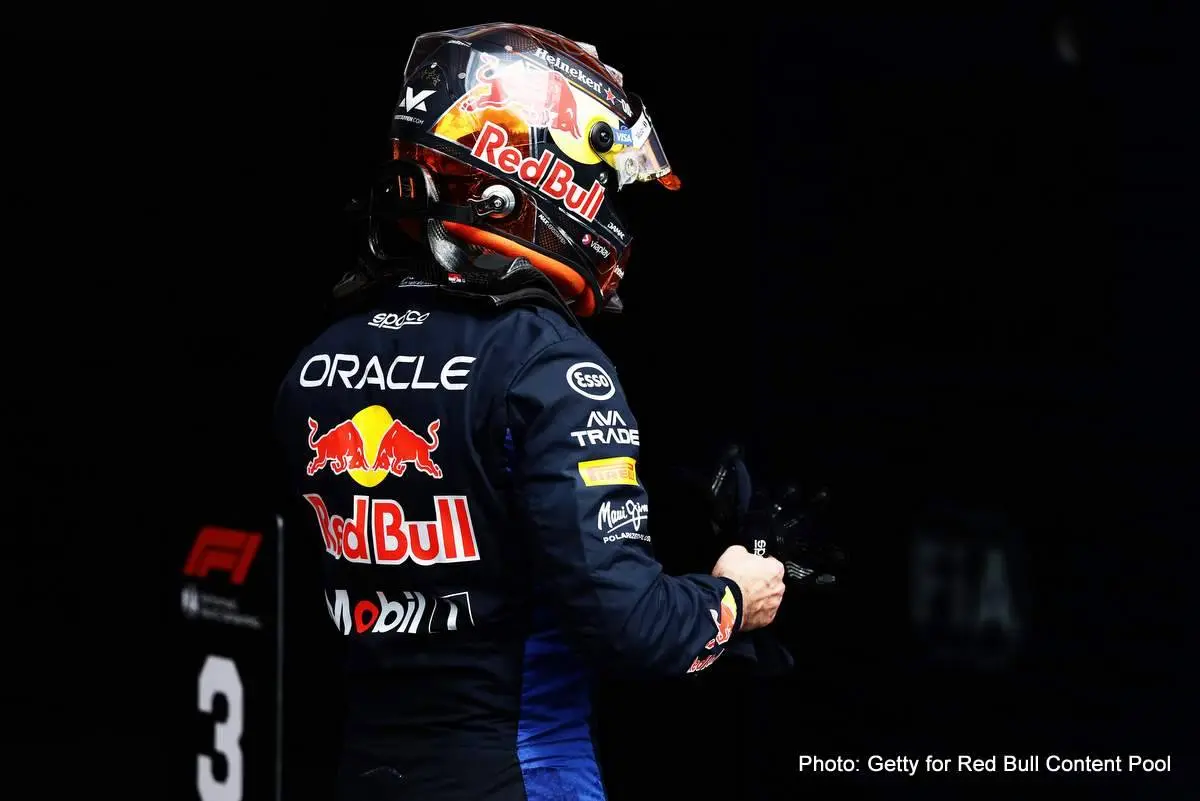
Teams entering this new era have overwhelmingly chosen experience over experimentation. Veterans such as Lewis Hamilton, Max Verstappen, and Fernando Alonso are seen as critical reference points for developing the new F1 car.
Here are some reasons why experienced drivers are preferred:
- New power systems need highly accurate driver feedback
- Implementation of complex systems will increase the difficulty of race management
- New guise of car under different regulations becomes unpredictable
Format Changes: What the Fans Will See
Beyond the calendar and teams, the racing product itself will look and feel different in 2026.
Active Systems and the Impact on Overtaking Tactics
The new regulations bring in smaller and lighter vehicles which are specially designed to race efficiently on tight circuits. By decreasing the width and weight, the cars have become more maneuverable, especially in street tracks where overtaking has always been a challenge.
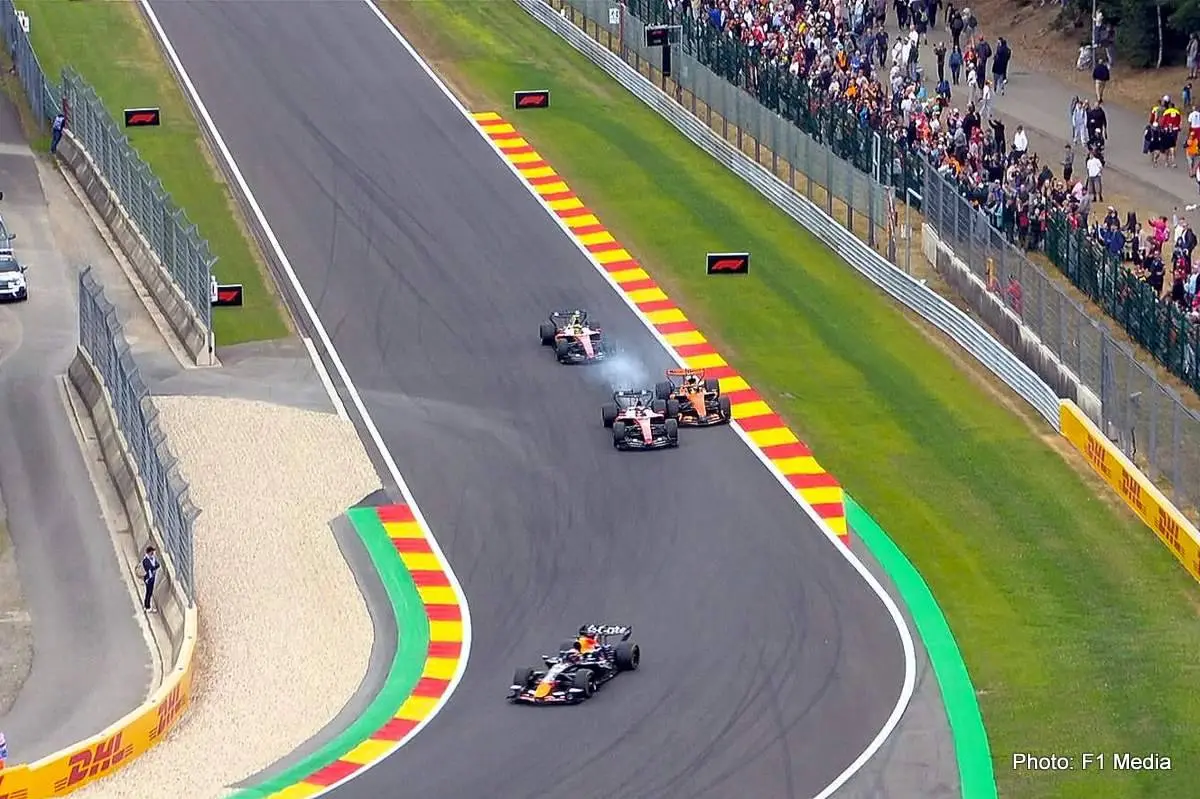
Major changes are already visible in the tools that assist overtaking. Conventional DRS is substituted by a manual override system, thus the drivers can use extra electrical energy only when they wish and use their smartness in controlling it rather than be forced to fixed detection zones.
Key technical changes include:
- Car weight reduction
- Smaller chassis dimensions
- Greater dependence on electrical energy
- More driver-controlled deployment systems
From a fan angle, this brings more unpredictability. The fights will be determined by raw speed, timing, battery management, and racecraft. Qualification f1 sessions also become more significant, as track position is crucial even with the improved ability of overtaking.
These breakthroughs are aimed at improving the show—but at the same time, they raise the level of stress for the teams and the drivers who already have a very busy schedule.
Counter-argument Block: The Limit of Calendar Expansion
Despite the excitement, concerns remain.
Thesis: Twenty-four races could be just right for teams in terms of their physical and mental capabilities. Incorporating revolutionary technologies on top of that will increase the risk of burnout, mistakes, and breakdowns.
Commercially, it makes sense to say that a higher number of races guarantees higher revenues, greater worldwide exposure, and stronger value in the eyes of sponsors. On the flip side, it is the mechanics, engineers, and support staff who bear the cost as they spend long months away from their families.
Moreover, an overly packed calendar might lead to a lesser significance of individual races.
Formula 1’s dilemma in 2026 is only partly about expansion — it is more about growing in a way that the sport does not lose its essence.

FAQ: 2026 Season at a Glance
The F1 2026 schedule seems to be strategically more balanced than ever, with regional grouping and sustainability being the key factors. New manufacturers like Audi are bringing a fresh drive, whereas the experienced teams are using their experience to cope with the uncertainty.
Teams that have a strong technical base, for example, Red Bull, Mercedes, and Ferrari, could be the quickest to change, however, newcomers with the backing of a factory should not be overlooked. A lot will hinge on who rights the rules most cleverly during the first few months.
Debate question: What brand-new or revamped circuit on the 2026 calendar do you think has the greatest potential for exciting close racing?
Will it feature more races? No. Formula 1 calendar has been limited to 24 rounds and 2026 is already hitting that max.
Who are the new engine suppliers? Audi becomes a full works manufacturer while Ford partners with Red Bull. Besides them there are Mercedes, Ferrari, Renault, and Honda.
The 2026 season is not just another chapter—it is the opening act of Formula 1’s next era.
Latest News


Loading