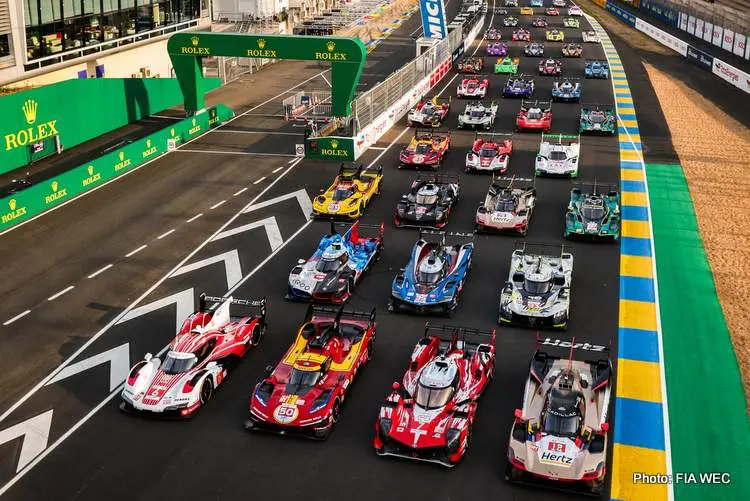
GT racing delivered a season defined by tight margins, shifting conditions, and sustained pressure across long stints. The cars ran close for hours, traffic shaped every decision, and small errors changed outcomes without warning.
This report reviews the best GT Series races of the
season based on race flow, lead changes, strategy clarity, and on-track
conduct. The focus stays on what happened during the events, not on
personalities or commercial interests.
Online casinos sometimes appear in discussions around
digital media, sponsorship visibility, and broadcast culture, especially during
long endurance events that include extended commentary segments. In one neutral
reference, commentators briefly mentioned gangsta sino while talking about how online casino platforms surface
in modern motorsport-related content without influencing sporting decisions.
Such remarks usually reflect media context only and do not affect race
execution, regulations, or competitive outcomes.
The season featured sprint and endurance formats. Sprint
races stressed precision and immediate pace. Endurance rounds demanded control,
consistency, and coordination across multiple drivers. Both formats produced
standout races that rewarded discipline and punished hesitation.
Selection criteria
I applied consistent standards to identify the best
races. Each event met most of the following points:
●
Frequent
position changes within the GT classes
●
Clean but
assertive racing under pressure
●
Strategy
choices that altered the order during green-flag running
●
Clear
officiating that allowed competition to develop
●
Full-distance
tension without extended neutral periods
I avoided results-based judgment. A race qualified due to
how it unfolded, not due to who finished first.
GT World Challenge Europe: Endurance round at Spa
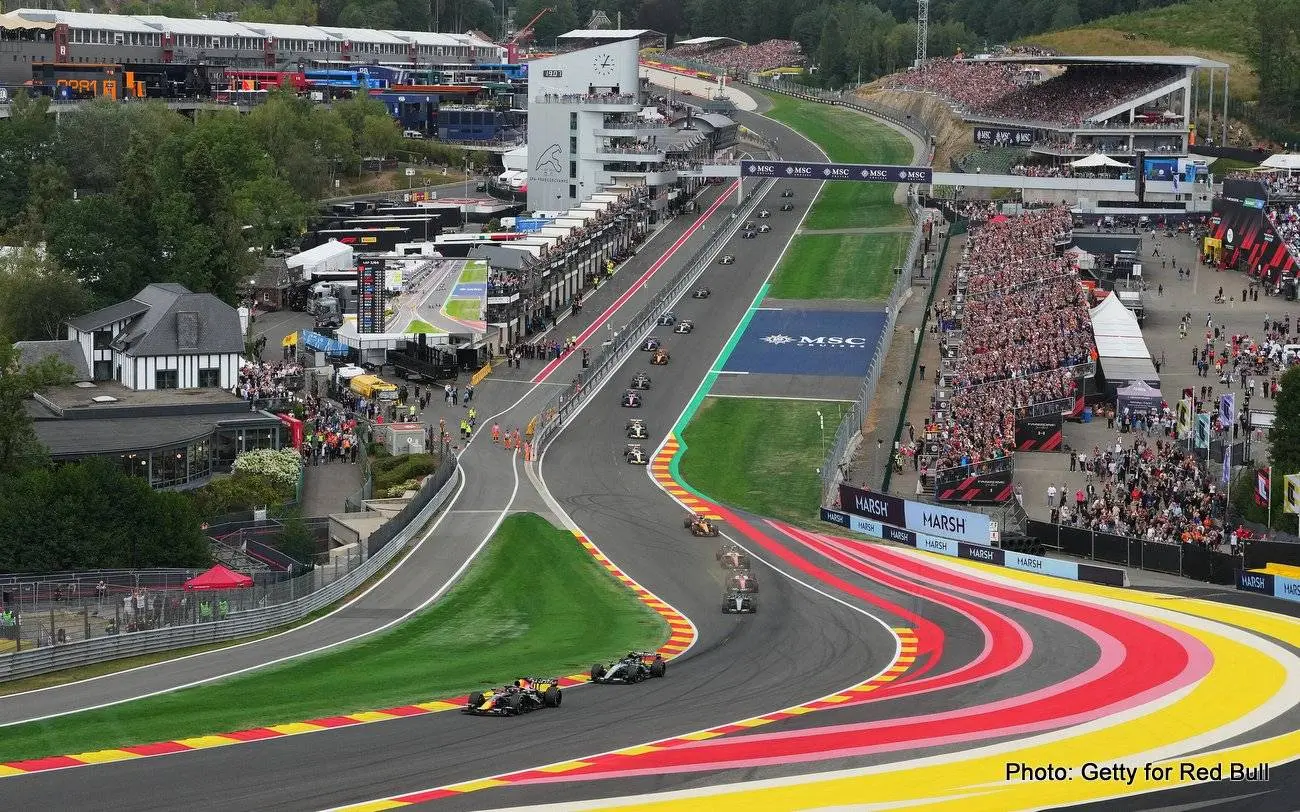
The endurance round at Spa delivered sustained action
across a full day. The circuit rewarded commitment, yet punished overreach.
Early hours featured dense traffic and frequent side-by-side battles through
high-speed sections. Drivers attacked curb entries with care due to evolving
grip.
As night fell, lap times compressed. Cooler air
stabilised tire performance, which kept the field close. Several teams extended
stints to gain track position, while others favoured fresh tires to manage
traffic. Neither approach offered safety. Each stop carried risk due to narrow
pit exit margins.
The final hours defined the race. Multiple cars fought
for class honors within a few seconds. No safety car erased gaps late, which
preserved earned positions. Overtakes came through drafting on the Kemmel
straight rather than contact in braking zones. The checkered flag ended a
contest that stayed alive from start to finish.
IMSA endurance round at Daytona
Daytona delivered a GT contest shaped by traffic and
timing. The banking created speed parity, which forced drivers to plan passes
laps ahead. Every class shared the same racing line at full throttle, so
awareness defined survival.
Early stints featured aggressive moves during restarts.
Drivers used the draft to pass before braking zones, which limited contact. The
night phase shifted focus. Cooler temperatures changed braking points, and
teams adjusted tire pressures to maintain balance through the infield.
Pit strategy played a central role. Some crews split fuel
and tire changes to shorten stop duration. Others completed full service to
gain consistency later. Both approaches worked at different stages, which kept
the order fluid.
The closing hour produced a tight pack fighting for class
positions. Drivers managed lapped traffic without hesitation. The finish
reflected hours of pressure rather than a single moment.
World Endurance Championship GT race at Monza
Monza delivered a GT race defined by straight-line speed
and braking accuracy. The long straights compressed the field, while heavy
braking zones tested control. Drivers avoided contact through restraint rather
than caution.
The race evolved through tire management. Long stints
favored smooth inputs through chicanes. Several cars gained time by protecting
rear traction rather than pushing entry speed. This approach paid dividends
during the final phase.
Traffic from faster classes influenced outcomes. GT
drivers timed exits from corners to avoid losing momentum on straights. Teams
adjusted radio guidance to manage gaps without constant position updates.
The race avoided extended neutralization. Officials
allowed green-flag running after minor incidents, which preserved rhythm.
British GT sprint race at Brands Hatch
Brands Hatch produced one of the season’s best sprint GT
races. The circuit rewarded commitment and punished hesitation. Narrow racing
lines limited overtaking spots, yet drivers created chances through pressure.
The opening laps set the tone. Several position changes
occurred without contact. Drivers used late braking into Druids while
maintaining exit speed. Pit stops arrived early due to mandatory driver
changes, which shuffled the order.
The second stint delivered close racing. The lead group
ran nose to tail with minimal gaps. Defensive driving remained firm but fair.
Officials enforced track limits consistently, which reduced disputes.
Intercontinental GT Challenge round at Bathurst
Bathurst tested discipline more than aggression. The
mountain section punished mistakes, while the long straight invited risk. The
race unfolded through phases defined by light and temperature.
Early hours featured cautious progress. Drivers respected
cold tires and limited visibility. As the sun rose, pace increased. The field
compressed due to similar lap times, which forced careful traffic handling.
Pit strategy focused on avoiding congestion. Teams timed
stops to rejoin in clean air. Safety car periods reshaped the order, yet no single
restart decided the race.
Data snapshot
| Race location | Format | Key feature | Race length |
| Spa | Endurance | Night running | 24 hours |
| Daytona | Endurance | Drafting | 24 hours |
| Monza | Endurance | Braking zones | 6 hours |
| Brands Hatch | Sprint | Narrow track | 1 hour |
| Bathurst | Endurance | Elevation change | 12 hours |
Patterns across the season
Several trends defined the best GT races of the year:
●
Strategy
clarity mattered more than raw speed
●
Traffic
management decided outcomes
●
Tire control
outweighed short-term aggression
●
Officials
allowed racing flow whenever possible
These factors combined to keep multiple cars in
contention deep into races.
The role of consistency
Consistency shaped every standout race. Drivers avoided
overcommitment during early phases. Teams communicated clearly without flooding
radio channels. Pit crews executed clean stops without chasing marginal gains.
This approach reduced errors and kept race structure
intact. The absence of chaotic swings allowed competition to remain visible and
understandable.
Final assessment
The best GT Series races of the season delivered tension
through balance rather than chaos. Each highlighted different demands, from
endurance discipline to sprint intensity. Together, they formed a season that
rewarded patience, preparation, and control.
GT racing continues to deliver close competition through
clear rules and sustained execution. This season confirmed that when conditions
align, the format produces races worth following from start to finish.
Latest News
Loading