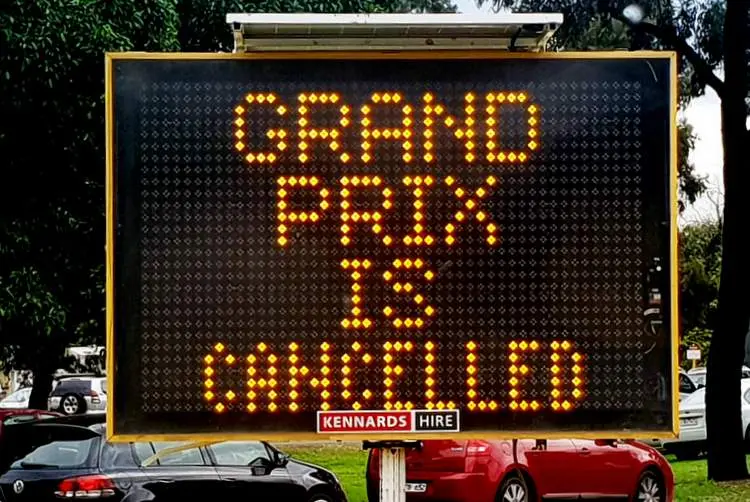
A grand prix being cancelled has a significant impact on a Formula 1 campaign. It not only affects the season calendar, but also the battle for the championship, the teams and drivers, and the fans.
While cancellations remain
rare, they do happen, with regulations in place to handle them. This season,
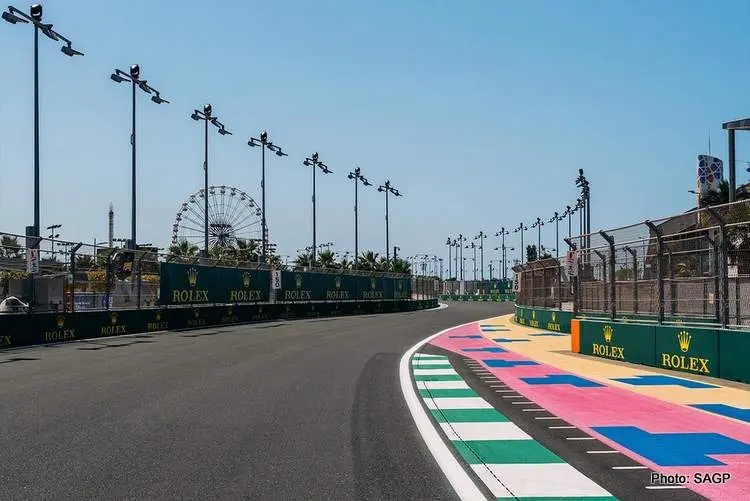
there will be a minimum of two cancellations, a rarity, with the Bahrain and
Saudi Arabian grand prix not taking place in April. There will be no
replacement events, which shows the disruption cancellations can cause.
When a Grand Prix is called off before a race begins, there is no
race classification, and there will be no points awarded. The same happens when
placing a bet on the race at Swiper Ontario or any other popular sportsbook; bets will just become void as the
event didn’t happen. In simple terms, if the race doesn’t go ahead, everything
to do with it is removed.
There will be knock-on effects to all this. For example, support
championships will be impacted. As seen with the latest cancellations, Formula
2 and Formula 3 events won’t proceed either, which is a blow.
What If Qualifying Can’t Take Place?
Sometimes the race can go ahead even if qualifying hasn’t taken
place. In the event of qualifying not being possible, under FIA regulations, the stewards are permitted to set the grid
using the current drivers’ standings. If this is not possible, they can use
other methods to determine the grid. It’s a rule that exists so a grand prix
isn’t wiped out completely because one part of the race weekend has been
disrupted.
This is important because it means that not every disrupted event
turns into a total cancellation. Formula 1 will always look to preserve the
race if it’s possible to do so.
Once a race is underway, it then becomes a question of how much of
it has been completed when it’s stopped. If the race is in its very early
stages when it’s stopped, no points will be awarded. If a larger portion has
taken place, reduced points may be handed out based on the percentage of the
race that’s been covered. Full points can only be awarded once enough of the
race has been worked through.
This is ultimately why a stopped race and a cancelled race are
different. A cancelled race will leave no results, but an abandoned race can
produce points.
Why Cancellations Matter
A cancelled grand prix changes more than just race day. It can
compress the calendar, remove a team’s chance to score points and disrupt
momentum. It can also hurt local promoters, affect broadcasters and leave fans
out of pocket if they’ve paid for tickets and booked flights and accommodation
in advance.
We’re seeing this in 2026, with two grand prix next month cancelled.
The absence of these rounds matters.
When a grand prix is cancelled, there’s a clear process for Formula 1 to follow, but the consequences remain
significant. If the race never starts, no points are awarded. If qualifying
doesn’t happen, the race can go ahead. And if the race starts but doesn’t
finish, some points could be awarded.
The process being in place helps, but it
doesn’t take away from what cancellations can mean to stakeholders involved.
Latest News






Loading

