Key Storylines Ahead of This Season’s Australian Grand Prix
F1 Grand PrixSunday, 01 February 2026 at 06:32
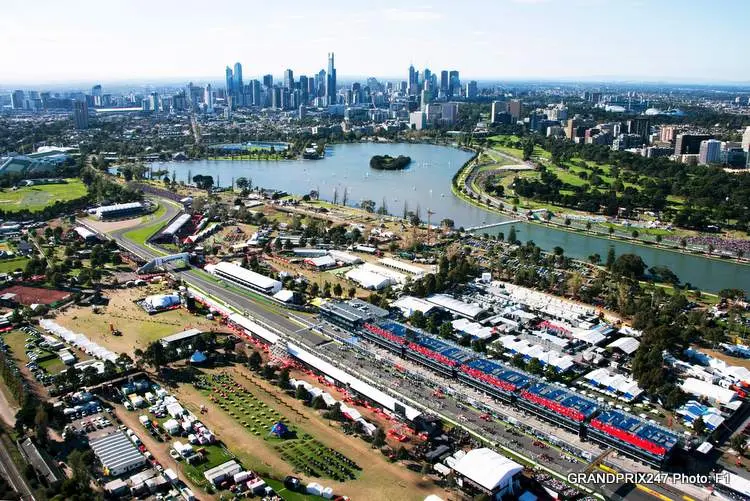
The Formula 1 season roars into life as the Australian Grand Prix returns to Melbourne from March 6–8, setting the tone for a year of sweeping technical change and competitive uncertainty.
Albert Park once again hosts the opening
act, and in 2026, the event carries extra weight as teams debut radically
reworked cars under new regulations. Smaller, lighter machines, revised power
units, and evolving team structures create a sense of genuine reset across the
grid.
For American sports fans, this race
offers a rare blend of innovation, rivalry, and unpredictability at a historic
venue. With Melbourne’s fast-flowing layout demanding precision and
adaptability, the Australian Grand Prix becomes an early measuring stick for
championship ambitions.
As F1 enters a new era, every lap in
Australia matters more than ever.
Radical Technical Overhaul Sets the Competitive Baseline

The most immediate storyline in Melbourne
is the dramatic technical overhaul shaping the 2026 F1 grid. Cars arrive
smaller, thinner, and lighter, with teams targeting a nearly 40% reduction in
weight. This shift fundamentally alters how drivers approach corners and manage
tyre wear on Albert Park’s demanding layout.
Drag Reduction System (DRS) technology
disappears and is being replaced by active aerodynamics that adjust movable
front and rear wings in real time. The result is cleaner racing lines and more
emphasis on driver input rather than artificial straight-line boosts.
These changes force teams to rethink
setup philosophies from the ground up. Downforce generation, braking stability,
and energy deployment now define competitiveness more than raw straight-line
speed.
Early practice sessions in Melbourne
provide crucial data, as teams test how these new cars respond under
race-weekend pressure. With margins already tight in modern F1, the Australian
Grand Prix becomes the first real indicator of which engineering groups adapt
fastest, and which fall behind before the season truly begins.
Power Unit Revolution Reshapes Team Hierarchies

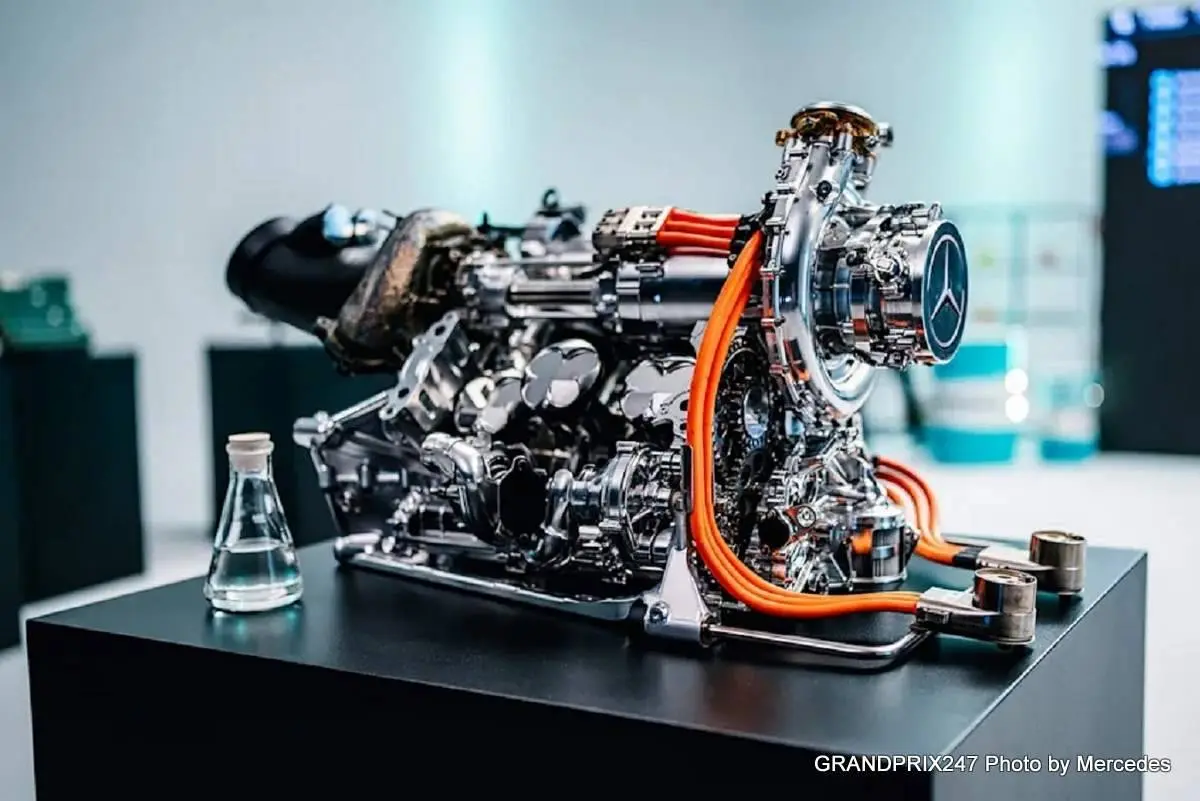
Under the new regulations, engine
philosophy becomes just as crucial as chassis design. F1 now moves to a 50/50
split between internal combustion and electric power, with the MGU-H entirely
removed and power units running on 100% sustainable fuels. This transformation
levels the playing field while introducing new risks for manufacturers still
refining reliability.
Audi’s arrival as a fully fledged
manufacturer marks one of the most significant moments in recent F1 history.
Taking over the Sauber operation, Audi
brings factory backing and long-term ambition, immediately raising expectations
in the midfield. Meanwhile, Red Bull partners with Ford for its next-generation
engine program, placing added pressure on early performance in Melbourne.
Mercedes enters the season with strong
internal confidence, believing its power unit may regain the advantage lost in
recent years. For fans tracking performance trends or exploring opportunities
for F1 betting, early engine data from Australia provides
critical insight into which teams hold a genuine edge.
Driver Lineups Stabilize as Youth Steps Forward

Continuity defines the driver market
heading into Melbourne, with eight of the ten teams retaining their lineups
despite sweeping regulation changes. That stability places a greater spotlight
on young talent stepping into high-pressure roles.
One name draws particular attention: Arvid
Lindblad, who becomes the only rookie on the grid when he joins Racing
Bulls after replacing Isack Hadjar, who got promoted to a permanent driver seat
at Red Bull (Racing Bulls' bigger brother) after the team cancelled Yuki
Tsunoda's contract at the end of 2025.
Lindblad’s debut could have a significant
impact on F1
narratives and comes at a time when car behavior changes
dramatically, arguably leveling the experience gap between veterans and
newcomers. Melbourne’s semi-street circuit tests adaptability, race craft, and
composure, traits that often reveal future stars early in their careers.
Veteran drivers benefit from lineup
consistency, allowing teams to focus on technical refinement rather than
relationship building. That cohesion could prove decisive during a season where
simulation data often diverges from real-world performance.
The Australian Grand Prix serves as an
early referendum on whether experience or youthful adaptability wins under F1’s
new technical framework.
Home-Soil Pressure and Crowd Energy in Melbourne

Local momentum fuels one of the weekend’s
most compelling narratives as Oscar Piastri carries home-crowd expectations
into Melbourne. The Australian driver continues to emerge as a genuine
frontrunner, and Albert Park offers him a rare chance to convert national
support into on-track momentum.
The atmosphere matters. Drivers
consistently cite Melbourne as one of the most energizing stops on the F1
calendar, where crowd noise and familiarity with conditions can influence
confidence and rhythm. Piastri’s composure under pressure becomes a key storyline
as he balances expectation with execution.
For visiting teams, managing distractions
proves just as necessary. Early-season errors often stem from over-aggression
or misjudged strategy calls, especially on circuits with limited runoff areas.
As F1’s competitive order remains
unsettled, emotional control may determine who capitalizes on Melbourne’s
unique intensity and who leaves points on the table.
Circuit Upgrades and Strategic Complexity at Albert Park

Albert Park enters the new season with
targeted upgrades to improve spectator flow, the fan experience, and
operational efficiency. While these changes primarily enhance off-track
logistics, subtle adjustments to infrastructure influence race strategy and
weekend scheduling.
From a racing perspective, Melbourne
remains a hybrid challenge, part permanent circuit, part street course. Track
evolution plays a significant role, with grip levels increasing rapidly across
sessions. Teams must balance aggressive setups against the risk of safety car
interruptions, a frequent feature at this venue.
Tire management becomes even more
critical under lighter car weights and altered aerodynamic profiles. Strategy
teams rely heavily on real-time data to adjust pit windows, especially when
unpredictable weather arises.
Drama Starts at Lights Out

The Australian Grand Prix often rewards
adaptability over pure pace, making it an early test of strategic cohesion
across the F1 paddock.
As F1 opens its season in Melbourne, the
Australian Grand Prix stands as more than just a starting line; it becomes a
defining snapshot of a new era. Radical technical changes, reimagined power
units, and stable driver lineups combine to create genuine uncertainty across
the grid.
For American fans, this race offers a
clear entry point into the evolving competitive landscape, where innovation and
execution matter more than legacy advantage.
Melbourne’s fast-paced circuit amplifies
every strength and exposes every weakness, setting narratives that echo through
the season.
As teams chase early momentum and drivers seek confidence, the
Australian Grand Prix delivers clarity in a year built on change, making it one
of the most consequential season openers in modern F1 history.

Latest News



Loading