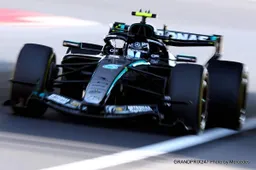
How the 2026 Regulations Are Transforming the Battle for Suzuka
F1 Grand PrixSaturday, 28 March 2026 at 04:14
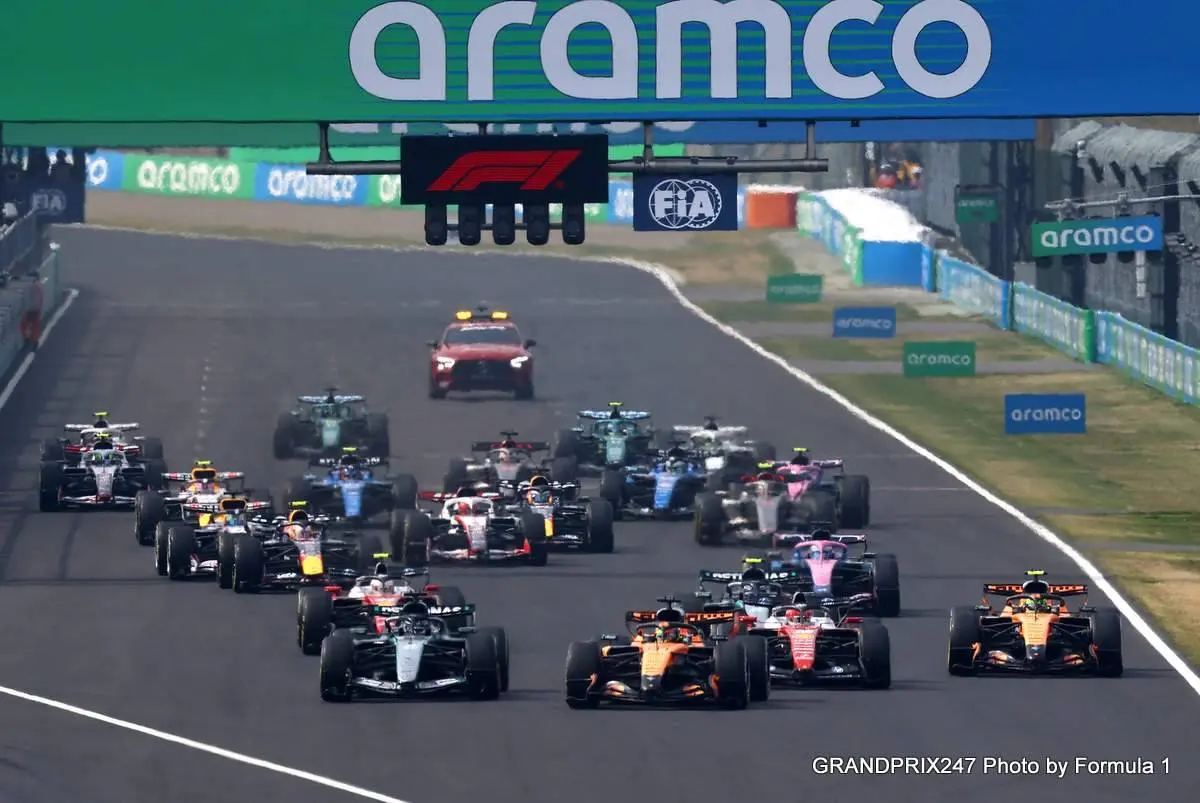
The Japanese Grand Prix has always been a Formula 1 race that separates pretenders from genuine contenders.
From the championship-deciding collisions of Senna and Prost to Max Verstappen clinching his second title in 2022, Suzuka has a rare ability to produce defining moments under pressure.
This weekend, the circuit near Nagoya hosts a field of Formula 1 cars unlike anything that has come before, and the early signs suggest the 2026 regulation overhaul could make this one of the most unpredictable races in years.
A New Kind of Challenge at the Figure Eight
Suzuka's unique figure-eight layout has always been regarded as the ultimate test of a Formula 1 car's balance. The flowing S-curves demand precise aerodynamic grip at medium speed, while the run through 130R and down to the chicane has traditionally rewarded raw power and bravery.
Under the 2026 technical regulations, those fundamentals have shifted. Cars are 30 kilograms lighter than their predecessors, shorter, and narrower. Active aerodynamics now play a central role, with teams switching between high-downforce Z-mode through corners and low-drag X-mode on straights.
At a circuit like Suzuka, where the transition between cornering and straight-line speed is constant and rapid, managing those aero modes becomes a skill in itself.
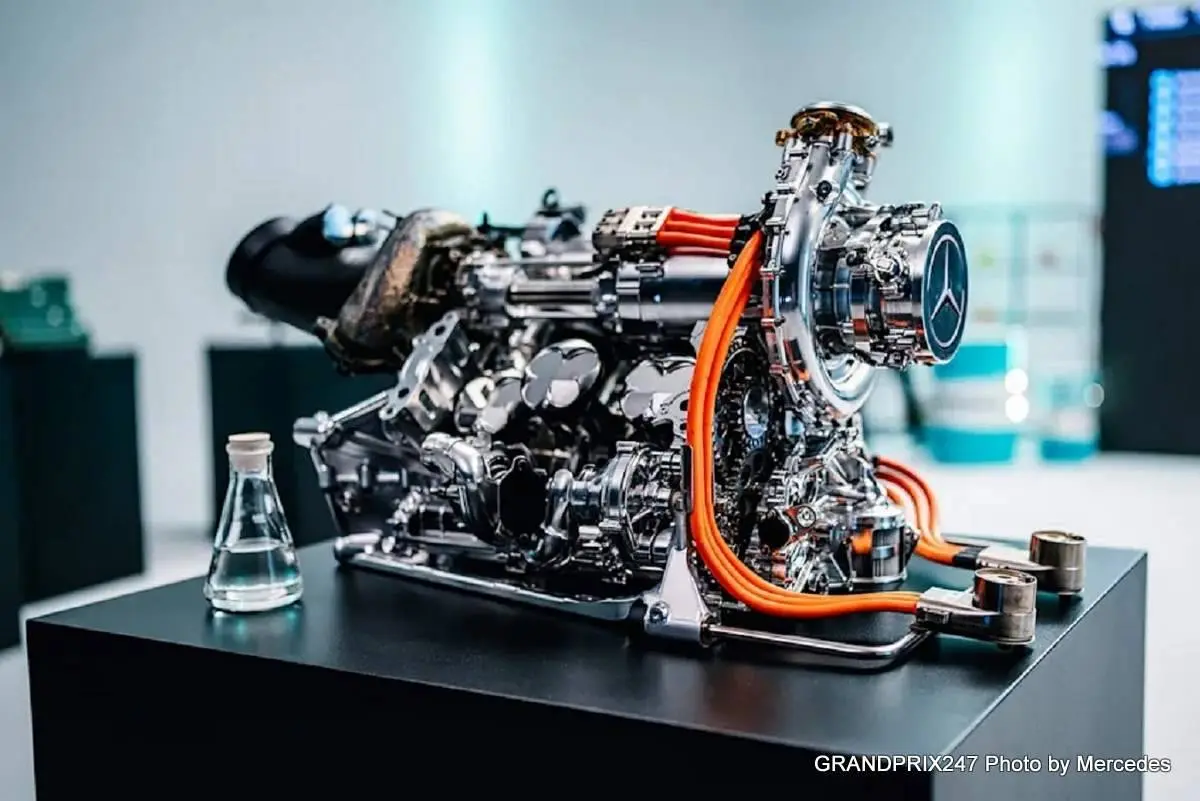
The removal of DRS adds another layer of complexity. In its place, drivers can deploy a manual override burst of electrical power when following another car closely, drawing on a battery system that now accounts for roughly half of the car's total output.
Energy management has always mattered at Suzuka, where the long, sweeping corners drain hybrid systems faster than almost any other track on the calendar. In 2026, getting that balance right could be the difference between a podium and a points finish.
Early Season Signals Point to Uncertainty
The opening rounds of the 2026 season have confirmed what many in the paddock feared and some quietly hoped for: the regulation reset has reshuffled the competitive order.
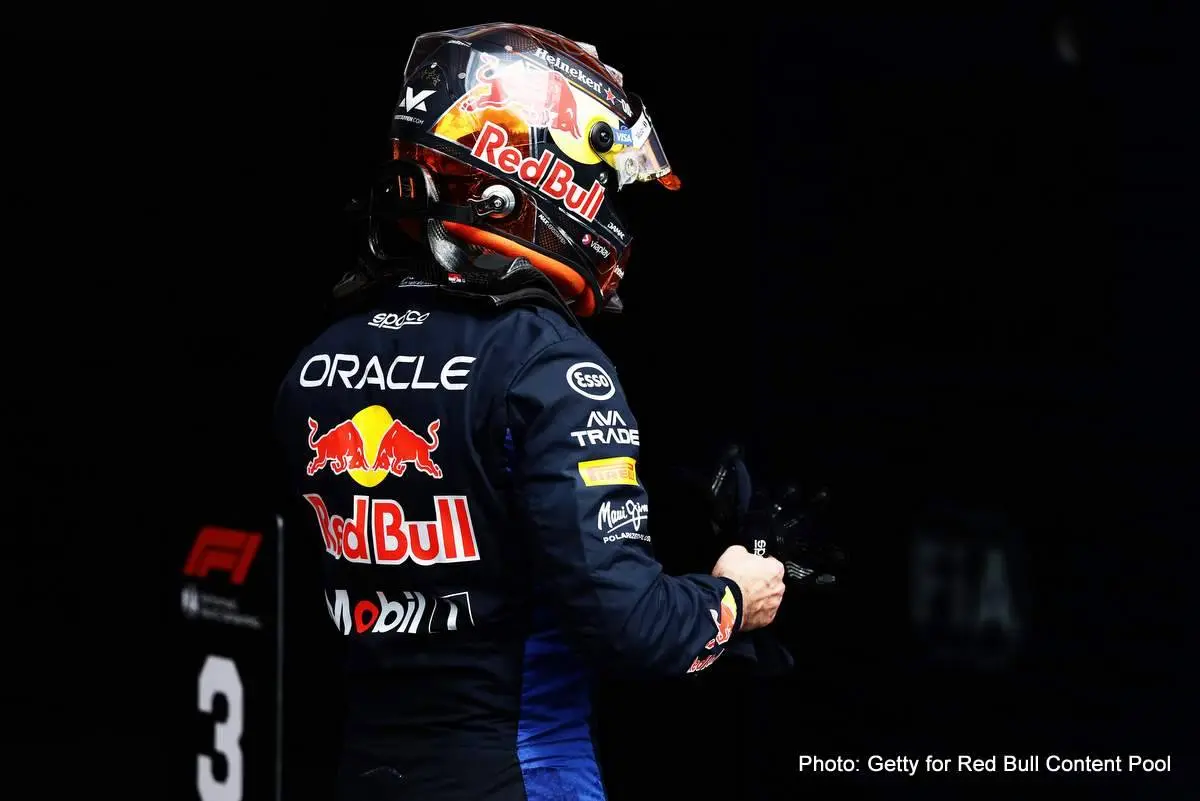
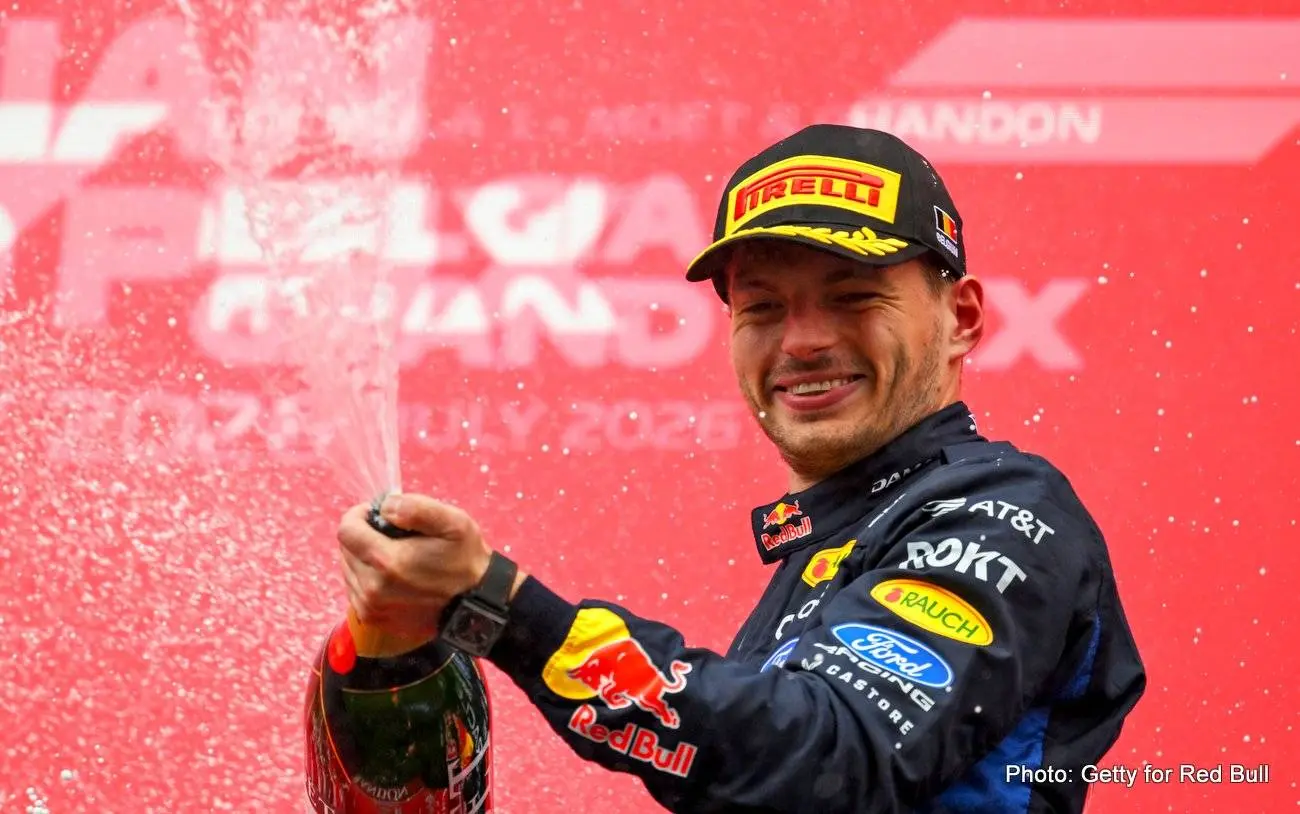
Max Verstappen, a four-time world champion, has spoken openly about the challenges Red Bull are facing with the new package. Ahead of this weekend, Verstappen told media at Suzuka that the car still feels "very different" and that the team is searching for answers.
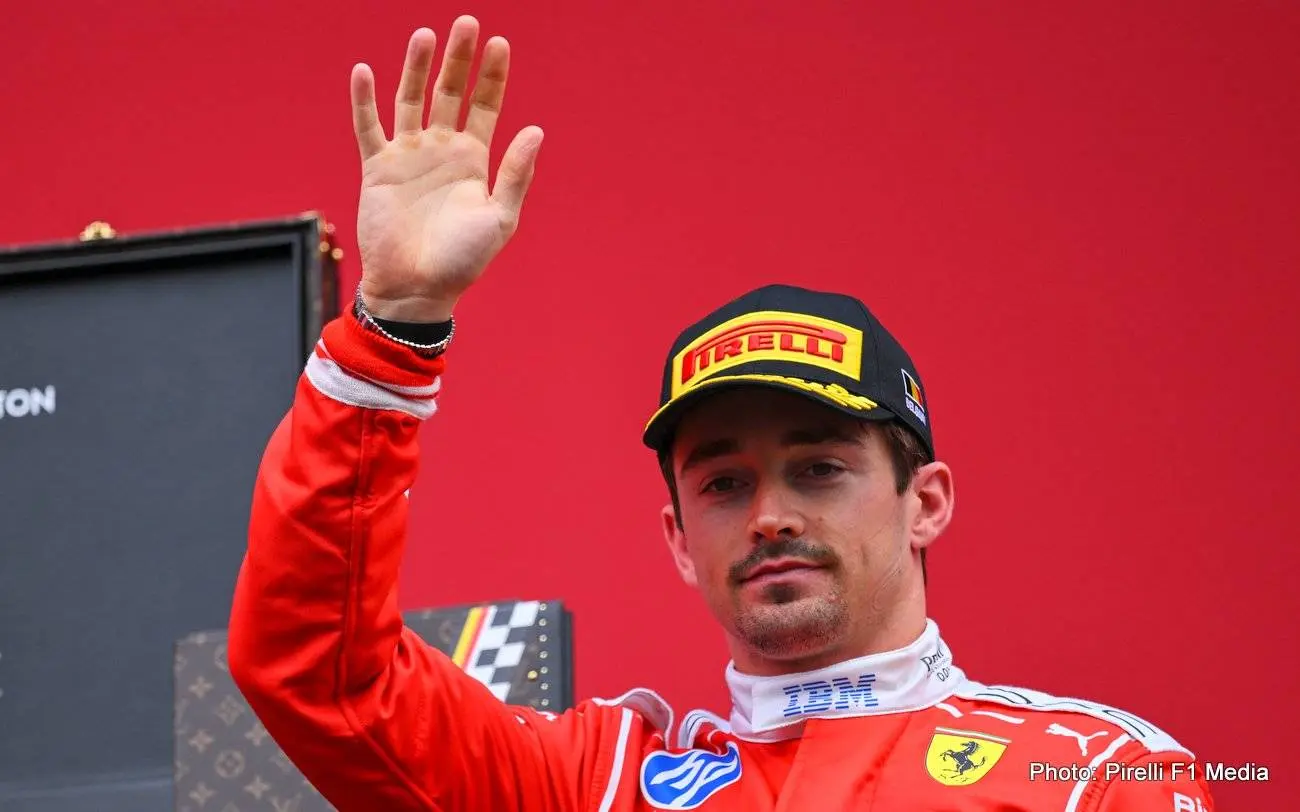
Ferrari, meanwhile, appear to have found early promise with their 2026 challenger. Charles Leclerc noted after the first few races that qualifying is no longer a flat-out sprint, describing it as a more strategic exercise where energy deployment matters as much as outright pace.
That shift plays directly into Suzuka's character, a track where intelligent driving has always counted for more than brute force.
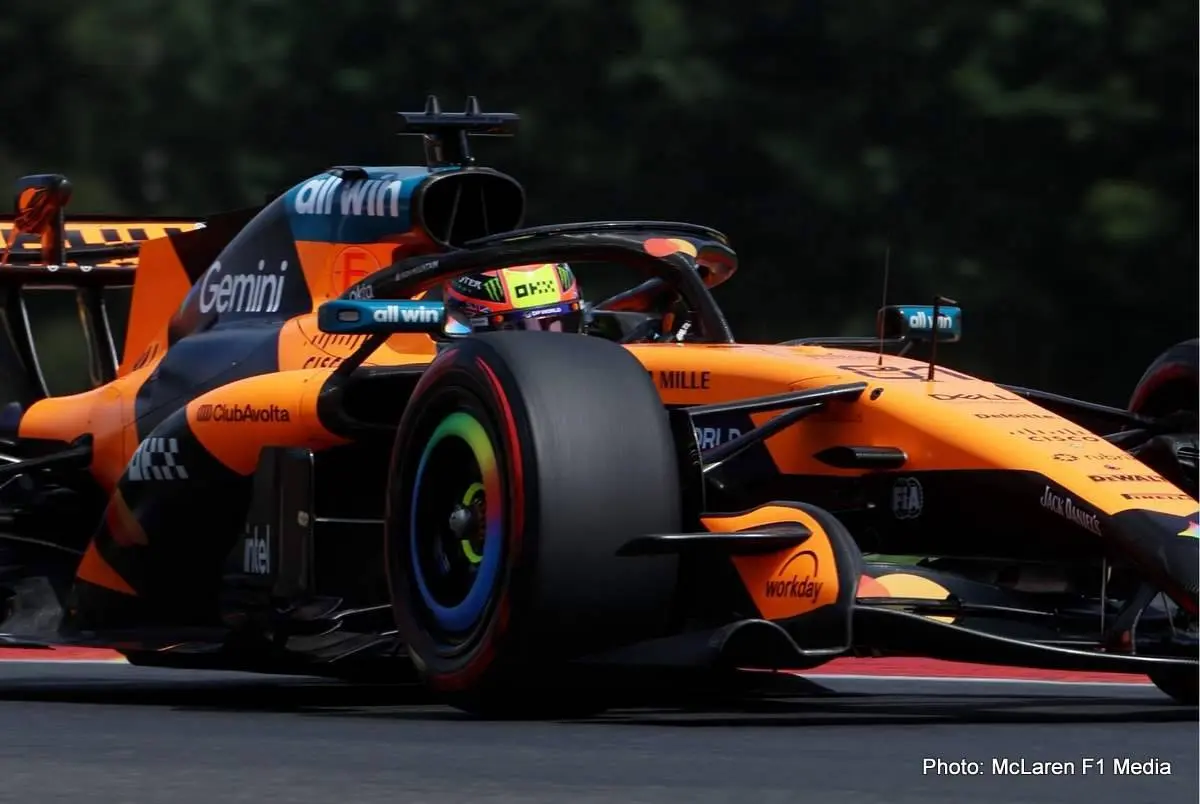
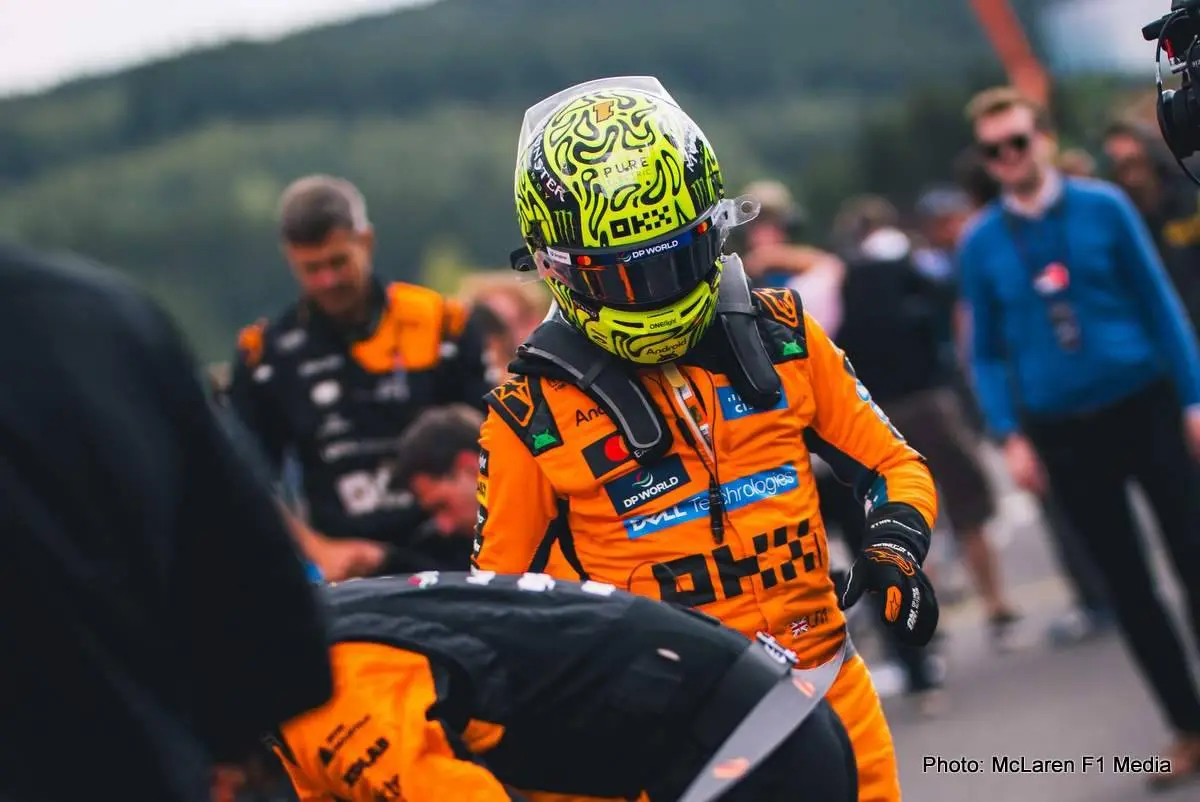
McLaren, fresh off Lando Norris's maiden championship triumph in 2025, came into the new regulations with momentum but have found the transition difficult to navigate. Mercedes, who designed some of the most dominant hybrid power units in Formula 1 history, are widely expected to improve as the season develops, but early results have been mixed.
The picture is incomplete. With only a handful of races in the books, the true pecking order remains unclear. What is obvious is that no single team has run away with a performance advantage, and at Suzuka, that kind of uncertainty tends to produce great racing.
Suzuka's Place in the Championship Story
Part of what makes the Japanese Grand Prix special is its position in the calendar and the weight it carries for the title fight. The circuit's technical demands often expose weaknesses that smoother, more forgiving tracks can disguise.
A car that feels adequate at a conventional circuit can become a handful through Degner 1 and 2, where commitment is rewarded and hesitation punished.
The history of the Japanese Grand Prix is littered with examples of races that shifted championship momentum. In 1989 and 1990, the Suzuka showdowns between Senna and Prost became the defining rivalry of their era.
In 2000, Michael Schumacher clinched his first Ferrari title on this very tarmac. More recently, Verstappen's 2022 title was sealed here in circumstances that left even the broadcast team scrambling to confirm the result.
This season, Suzuka arrives early enough to set the tone rather than settle the score. A strong result here will not decide the championship, but it will send a clear message about which team has the best handle on the most complex cars Formula 1 has ever produced.
Growing Global Interest in the Sport
Formula 1's audience has expanded dramatically over the past five years, driven by a combination of closer competition, high-profile driver moves, and the sport's broader cultural reach. That growth has brought increased attention not just from fans but from commercial partners across sectors including technology, automotive, and entertainment.
The betting market around Formula 1 has grown alongside this audience expansion. Race weekend predictions, qualifying head-to-heads, and championship outright markets have become part of the routine for many fans, particularly in the UK where motorsport and wagering have long overlapped.
For those looking to compare platforms ahead of a busy race weekend, reviews of the best casino sites can offer a useful starting point for navigating the options available to UK players.
That commercial growth has also filtered down to the teams themselves. Sponsorship deals with betting and gaming companies are now a fixture on the grid, following a path already well-worn in football and other global sports.
The revenue these partnerships generate plays a genuine role in funding the kind of development work that makes on-track competition possible, a trend GrandPrix247 has tracked closely as Formula 1's commercial landscape continues to evolve alongside its sporting ambitions.
What to Watch This Weekend
The Japanese Grand Prix weekend begins with practice sessions on Friday before qualifying on Saturday and the race itself on Sunday. With the field still adjusting to the new regulations, every session will carry more weight than usual. Setup choices that work in the slow-speed first sector may compromise a team through the high-speed middle section, and vice versa.
Keep an eye on tyre degradation as well. Pirelli has warned that the gap between the fastest and slowest cars could stretch to four seconds per lap under the 2026 rules, and Suzuka's abrasive surface has always been tough on rubber.
Managing that degradation while also balancing electrical energy recovery could force teams into strategic gambles that shake up the final result.
As the history of racing at Suzuka proves time and again, this circuit has always rewarded the complete package: the best car, the smartest driver, and the bravest strategy call. In 2026, with so much still to learn, that package is harder to define than ever. And that is precisely what makes this weekend worth watching.
Latest News
Loading