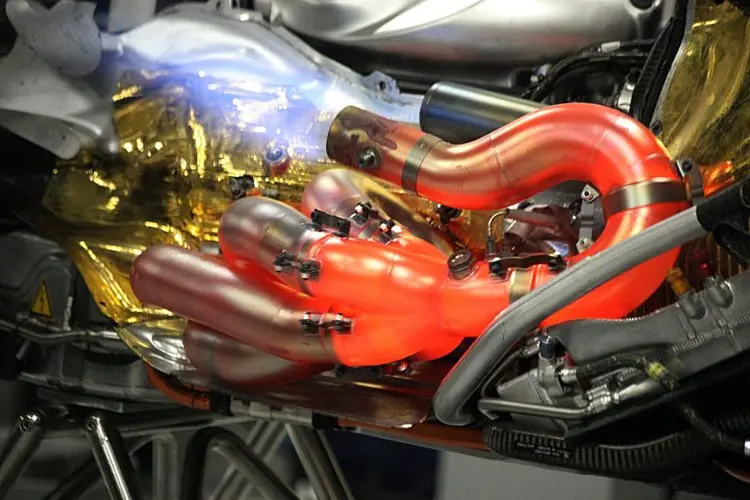
Motorsport has always been more than a race to the finish line. It is a space where technology, human skill, and bold ideas come together in real-time.
From Formula 1 to endurance racing, the track becomes a live test environment where innovation is not only encouraged but required. Motorsport improves the breed.
The lessons learned on the track don’t stay there. Ideas that first appear in high-speed races often move into industries like automotive, aerospace, and digital platforms. Motorsport allows engineers and teams to try ideas, study results, and improve under pressure. That makes it the perfect sandbox for new thinking.
Racing as a Testing Ground for Advanced Technology

Motorsport is one of the few environments where new technology is pushed to its limit. The pace of development is fast, and success often depends on how quickly teams can test and refine new solutions.
Formula 1’s Role in Automotive Engineering
Some of the most important features in modern cars started in Formula 1. Racing teams develop technology that often finds its way into consumer vehicles. These systems are tested under extreme conditions, making them more reliable when adapted for everyday use.
- Anti-lock braking systems: Improved control during sudden stops
- Energy recovery systems: Efficient reuse of braking power
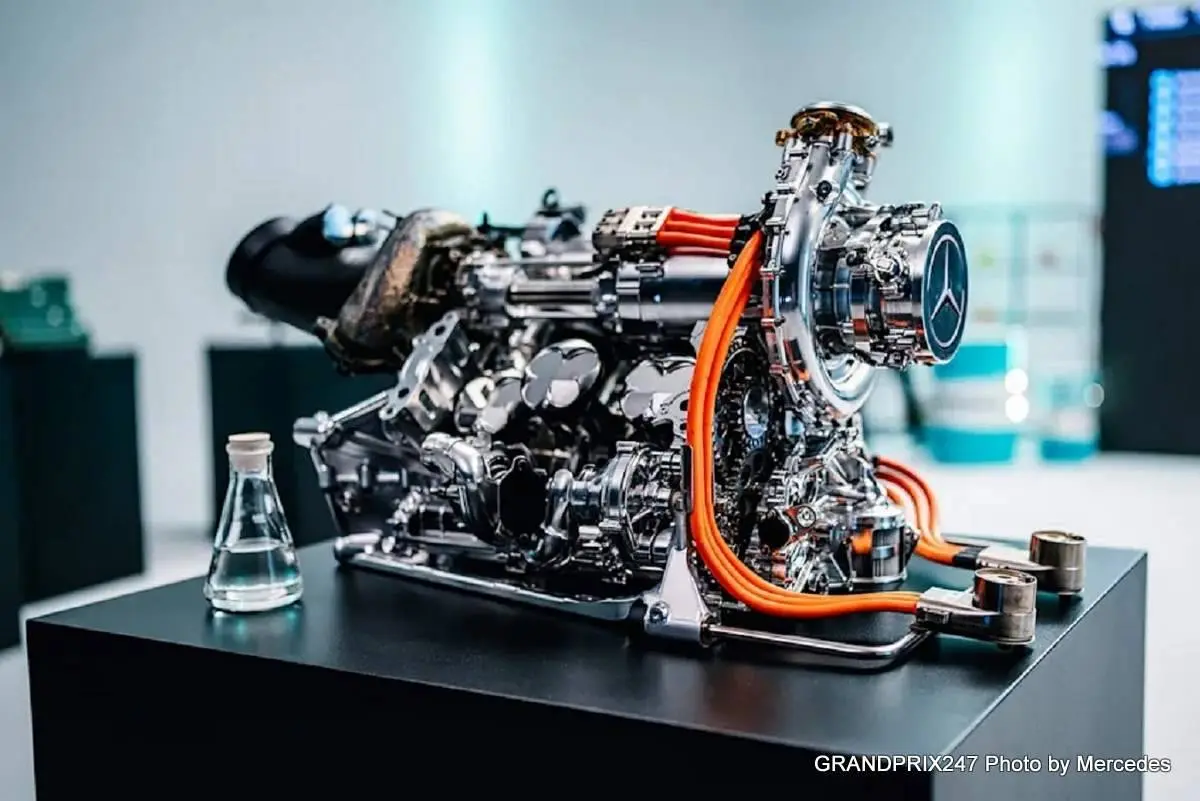
- Hybrid engines: Balancing power and fuel efficiency
Sensors, Telemetry, and Data Collection
F1 cars are packed with sensors that collect massive amounts of data during every race. Each car carries over 300 sensors, monitoring everything from tire wear to engine temperature. According to research from Forbes, these sensors can transmit around 3 GB of telemetry data per race. This real-time stream helps engineers on the pit wall receive constant updates, allowing them to spot changes and respond immediately.
In some cases, machine learning tools support this process by helping teams recognize patterns, predict outcomes, and react to potential issues before they escalate. This high-speed data environment has become essential not just for short-term performance, but also for long-term improvements in car design and team strategy throughout the season.
Safety Technology Born on the Track
Safety innovations are a major area of progress in motorsport. Many systems now required in road cars were first designed to protect race drivers. This includes both physical tools and structural reinforcements.
The Halo device, energy-absorbing barriers, and fire-resistant materials are just a few examples of how racing continues to shape global safety standards.
Strategy, Simulation, and Real-Time Problem Solving

While racing involves speed and machinery, victory also depends on planning and quick thinking. Teams rely on digital tools and simulations to stay ahead.
The Power of Race Strategy Models
Teams run strategy models before and during races to decide when to stop for tires, how to manage fuel, and how to respond to weather. These models are built on thousands of scenarios and data points, helping teams make smart moves under pressure.
Key elements in race strategy include:
- Tire wear rates: Predicting performance loss
- Weather forecasts: Timing tire changes or pit stops
- Fuel loads: Managing speed and weight balance
Digital Systems Inspired by Racing Logic
Racing strategy depends on interpreting data under pressure and making choices where timing is everything. This approach has quietly shaped how interactive systems are designed, focusing on feedback loops, structured progression, and user decisions that carry weight.
Even in entertainment, these principles appear in unexpected places. The mechanics behind a sweep slots casino reflect the same logic, blending real-time inputs with pattern-driven responses. It’s a digital environment shaped by the same kind of calculated urgency seen on the pit wall.
Pit Wall Tech and Real-Time Data Use
During a race, the pit wall acts like mission control. Engineers watch live data, spot trends, and communicate updates instantly. This process is so efficient that it has become a model for real-time systems in other fields.
Logistics companies, live sports broadcasts, and automated trading platforms have all drawn from how pit crews handle rapid data changes.
Human Performance and Innovation in Training

Racing does not only push machines to their limits. It also demands high performance from people. Drivers must maintain focus, endurance, and skill under intense pressure.
Driver Fitness and Precision Under Pressure
Race drivers need to be physically strong and mentally sharp. Races last up to two hours with no breaks, extreme heat, and constant decision-making. The level of preparation now rivals that of top athletes in any sport.
- Strength training: Handles intense G-forces during turns
- Mental training: Stays focused through complex strategy
- Reflex drills: Reacts instantly to track changes
Simulation and Virtual Reality in Practice
Modern drivers often train using full-motion simulators. These tools let them practice on virtual tracks, learn new layouts, and run through different scenarios without ever getting in a real car.
VR systems help drivers visualize turns, braking zones, and overtaking points. They also help teams prepare for new circuits before arriving on site.
Why Innovation from Motorsport Goes Beyond Racing

The value of motorsport innovation goes far past the track. Lessons in efficiency, risk, and design often lead to breakthroughs in unrelated industries.
Automotive and Energy Sectors
Racing is often a few steps ahead of the consumer market. Innovations in materials, engine design, and energy use are common. These improvements lead to safer, cleaner, and more efficient vehicles.
- Lightweight materials: Stronger and more fuel-efficient
- Electric motor research: Improved battery life and range
- Aerodynamic design: Shapes adapted for road use
Aerospace, Medicine, and Materials Science
The engineering behind F1 cars often overlaps with other high-performance fields. Composite materials reduce weight without losing strength and are now used in planes and medical equipment. Cooling systems from racing help manage heat in labs and hospitals, while alert systems based on real-time feedback support safety in various industries.
Entertainment and Audience Technology
Racing is one of the first sports to integrate tech into the viewer experience. Cameras on helmets, 3D replays, and live analytics all began in motorsport.
Now these tools shape how audiences interact with many sports and digital platforms. They also improve broadcasting and event presentation.
The Fastest Way to the Future
Motorsport remains one of the best places to test, refine, and share new ideas. The track creates a high-stakes environment where only the best strategies survive. Engineers, teams, and drivers work together to solve real problems with immediate feedback.
As technology moves forward, motorsport will continue to lead innovation. What happens on race day today often changes how the rest of the world moves tomorrow.
Latest News


Loading

