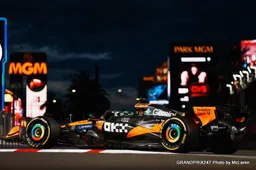
For fans, Formula 1 is more than a sport, it’s a feverish cycle of Eat. Sleep. Race. Repeat. But beyond the heart-pounding battles on Sundays, there is more
Formula 1 has quietly shaped the cars we drive, the technology we rely on, and even how vehicles move from one corner of the world to another.
This site has delivered the latest Formula 1 news the moment it breaks, interviews with the biggest names in the paddock, analysis of every regulation shift, and deep dives into the engineering brilliance behind the fastest cars on Earth.
Today, we explore how Formula 1 innovation trickles down to the mainstream automotive world, and how that creates a thriving ecosystem around buying, selling, and transporting vehicles, especially in an era where more people than ever shop for cars online.
Formula 1 : The World’s Most Advanced Research Lab on Wheels
Formula 1 has always been defined by the relentless pursuit of speed. But the by-product of that pursuit? Breakthroughs that reshape everyday driving.
1. Hybrid Power Units
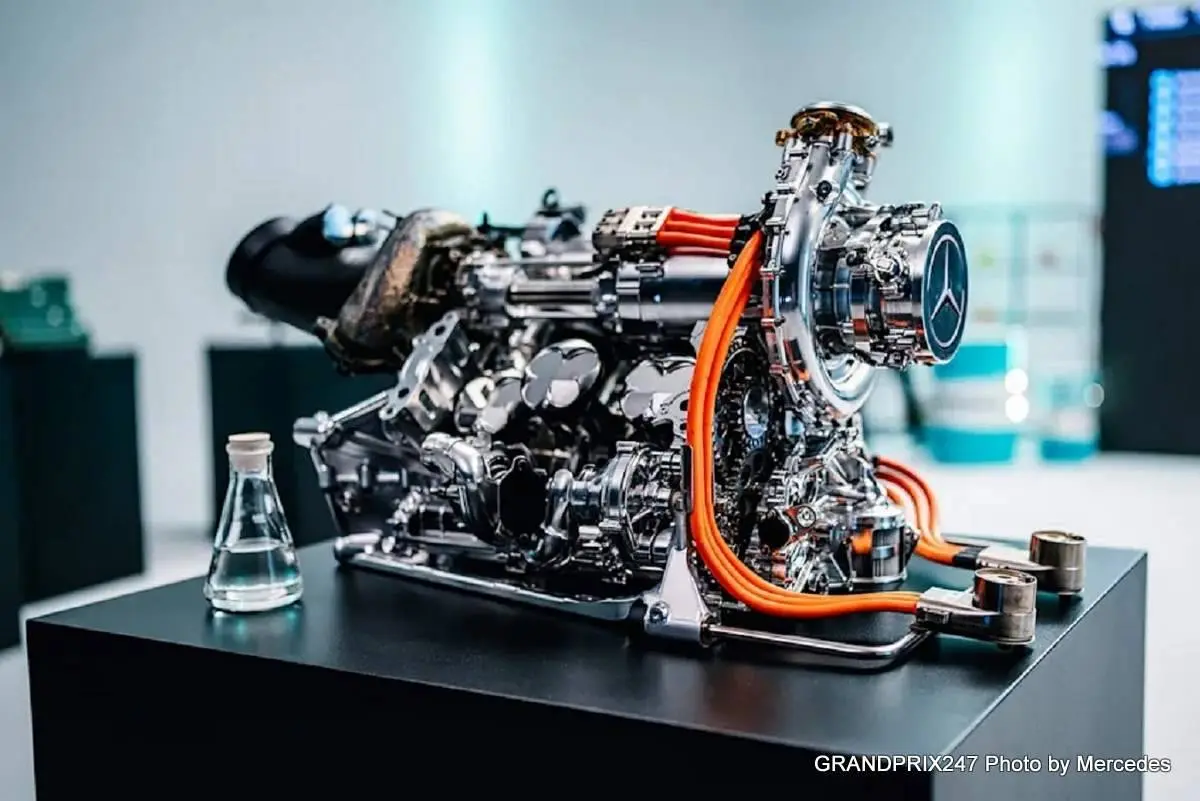
What began as controversial in 2014 now stands as a masterclass in energy recovery. The same hybrid efficiency that propels Verstappen, Hamilton, Alonso, and Leclerc translates into smaller, greener engines in road cars.
2. Aerodynamics Everywhere
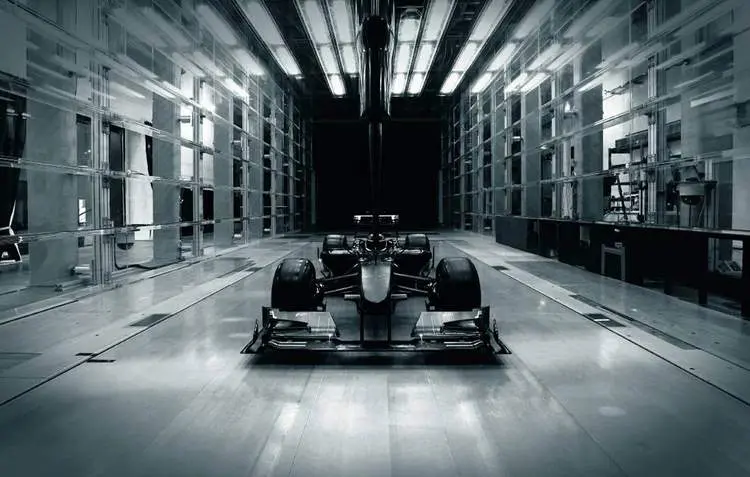
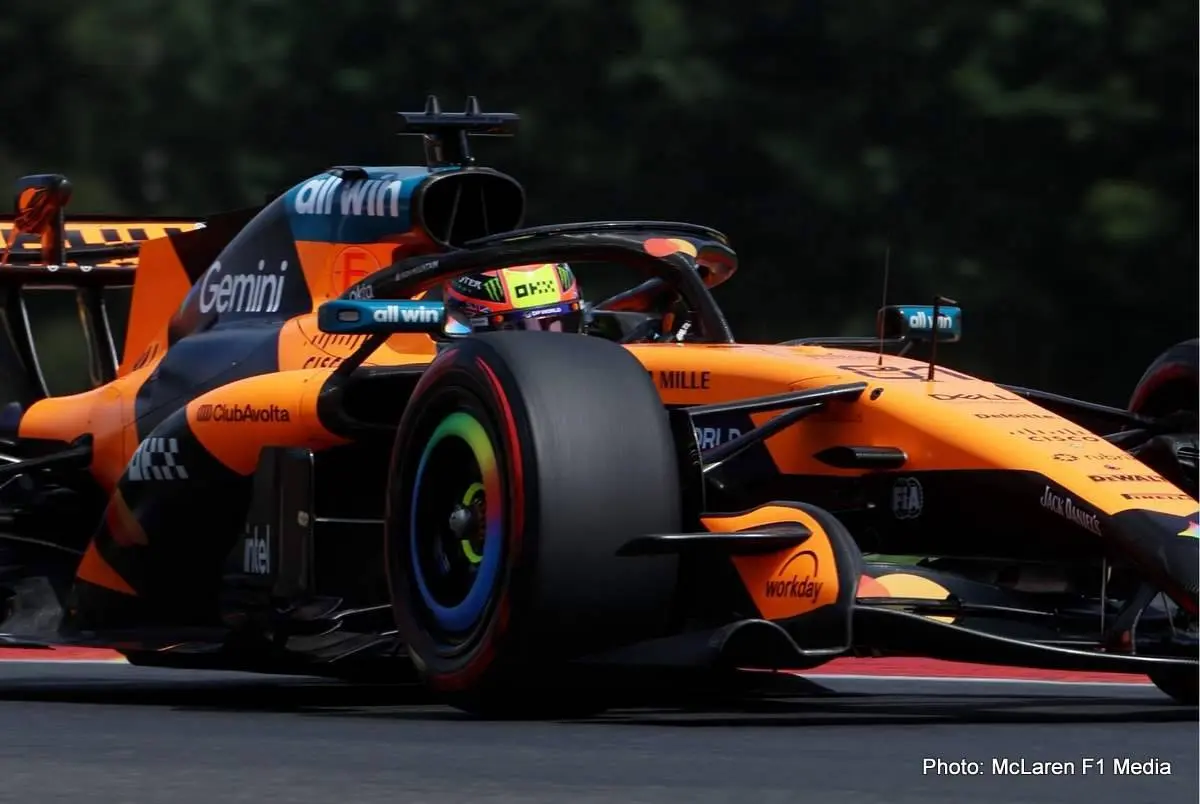
From the aggressive splitters on hot hatches to active aero in supercars, everyday vehicles borrow solutions perfected in wind tunnels used by Formula 1 teams.
3. Safety Innovations
Halo, crash structures, and stronger cockpit designs influence global automotive safety standards.
4. Telemetry and Data Integration
The concept of real-time performance monitoring—once exclusive to race engineers—is now common in modern EVs and premium SUVs.
5. Lightweight Materials
Carbon fiber? F1 practically invented mainstream carbon fiber adoption. Today you’ll find it on performance road cars, motorcycles, and even bicycles.
The technology pipeline from pit lane to public road is constant. But this evolution also leads to a major shift in consumer behavior.
From Showroom to Smartphone: The Rise of Online Vehicle Buying

Car shoppers now expect the same digital convenience. Over the last decade, online vehicle buying has surged immensely, from classic cars to EVs to rugged pickup trucks.
Consumers browse auctions, dealerships, and private listings across the country. They compare specs, watch video walk-arounds, and seal deals with a click. But once the purchase is made, there’s one crucial step left:
How do you move the vehicle safely to your driveway? Enter the world of auto transport, a field that, believe it or not, borrows principles from motorsport efficiency.
Why Shipping Vehicles Has Become an F1-Style Operation
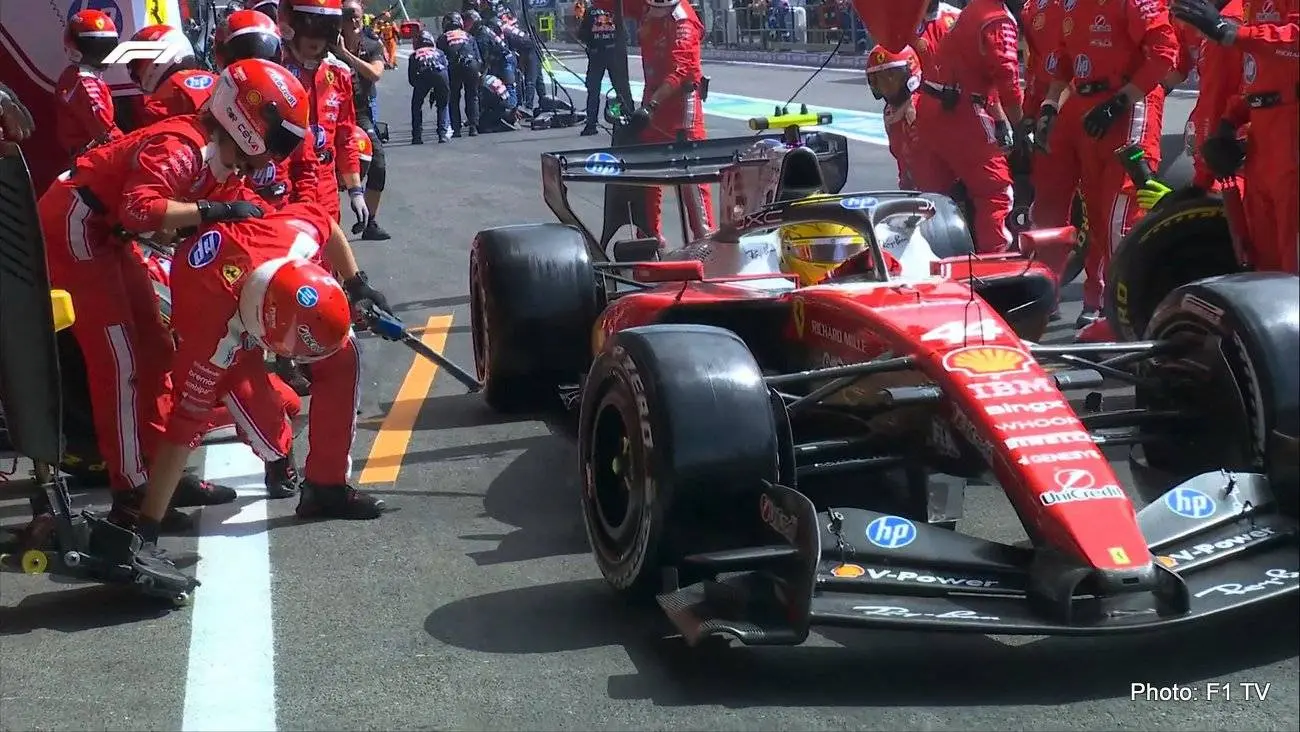
In Formula 1, logistics are everything. Teams move hundreds of tons of equipment across 5 continents, often within days. Precision, timing, and reliability decide whether a car makes it to FP1 or sits stuck in customs.
The same level of coordination applies to transporting vehicles across the United States.
1. Auctions to Buyers
Millions of cars are purchased at wholesale and online auctions annually, from Copart and IAA to Manheim and specialist performance or exotic car auctions. Many buyers never inspect the vehicle in person.
2. Dealership-to-Doorstep Delivery
Dealers now sell nationwide, offering virtual walkthroughs and online financing. Car shipping fills the gap between buyer and seller.
3. Private Sellers Go National
Online marketplaces expanded the reach of individual sellers. A buyer in Florida can confidently purchase a truck from Texas or an EV from California.
4. Collector, Performance & Specialty Vehicles
F1 fans are often performance enthusiasts themselves, seeking rare models, limited editions, or track-inspired cars. These vehicles demand delicate handling, enclosed car transport trailers, and experienced carriers.
The result? A booming vehicle-shipping industry powered by digital buying habits—and influenced by the same precision and planning F1 embodies.
The New Hero of Long-Distance Buying: Professional Auto Transport

Whether someone buys a lifted pickup truck, a hybrid SUV, a classic Ferrari, or a Formula-1-inspired road machine, they need a secure way to get it home.
Auto transport companies today handle:
- Single vehicles shipped to new owners
- Purchased pickups & SUVs from online auctions
- High-value performance cars in enclosed trailers
- Multiple vehicles for dealerships moving inventory
- Relocations for families or professionals
- Seasonal shipping (Snowbirds, students, military transfers)
Just like a race team relies on mechanics, engineers, and logistics managers, consumers now rely on vetted carriers, dispatch teams, transparent communication, and real-time tracking.
What F1 Teaches Us About Moving Vehicles Safely

Formula 1 is the gold standard for precision and care. The same principles apply when shipping cars cross country everyday, especially performance models or valuable vehicles.
✔ Planning is everything
Before an F1 race, logistics teams plan every movement. Auto transport works the same way, routes, weather, access points, pickup/delivery timing.
✔ Equipment matters
F1 cars travel in custom cases and specially padded containers. High-value road cars often ship in enclosed trailers with lift gates for zero contact.
✔ The team behind the operation counts
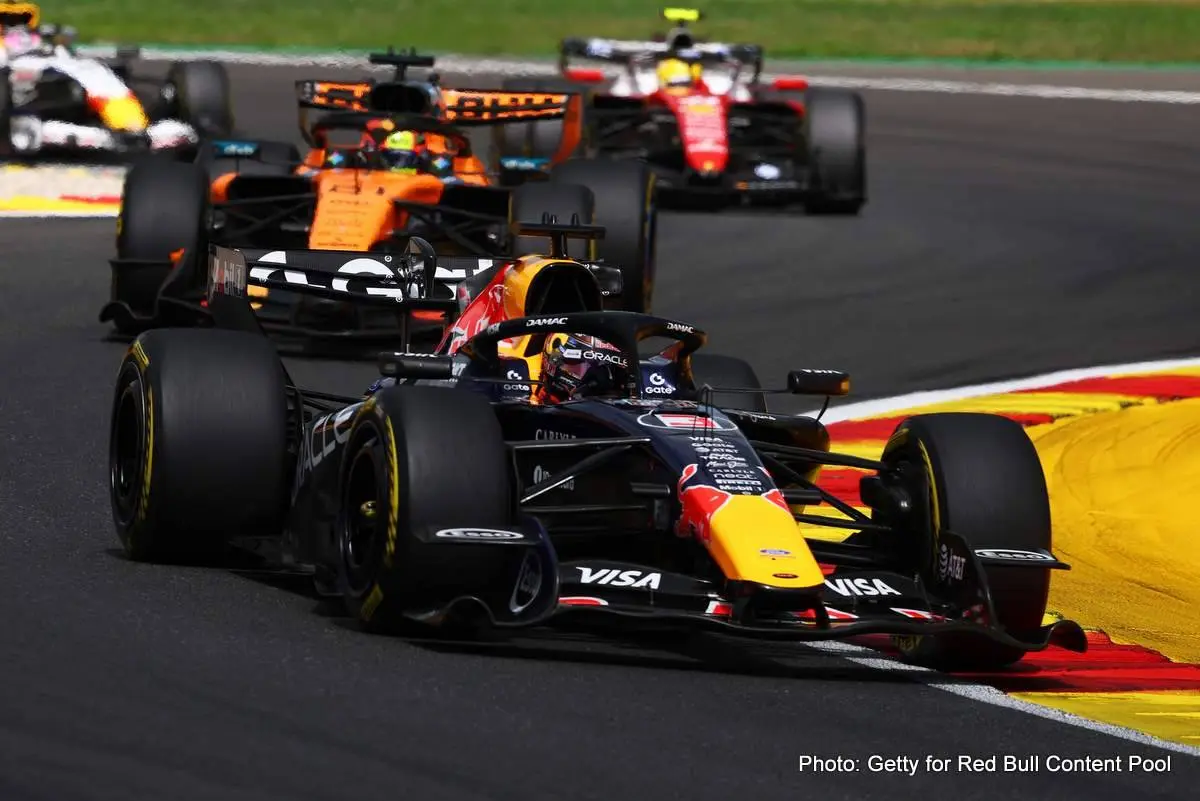
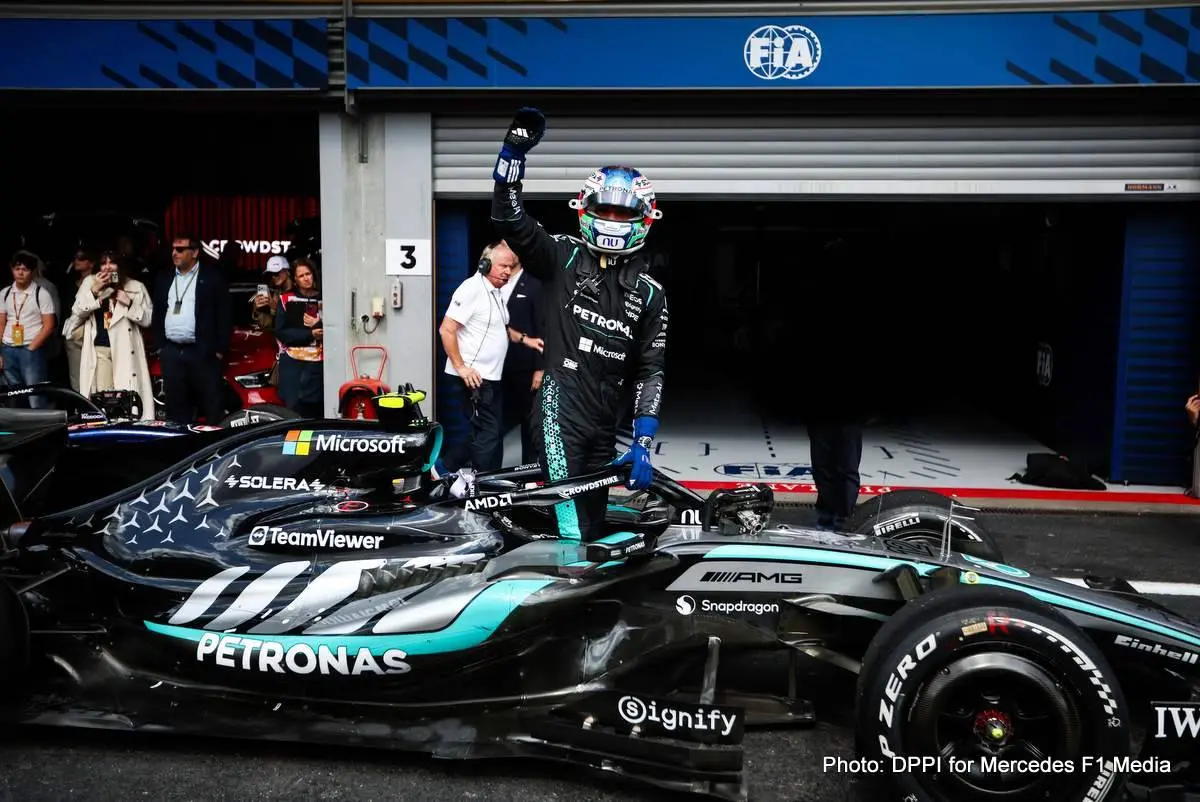
Just as Red Bull or Mercedes rely on world-class staff, vehicle transport depends on experienced dispatchers, drivers, and coordinators.
✔ Communication wins
Whether it’s a race engineer talking to a driver or a carrier updating a customer, flawless communication makes the difference.
Technology, Formula 1 Passion, and Modern Mobility

Motorsport has always shaped the broader automotive world. Today, that influence extends beyond technology, into how we buy, sell, and even transport vehicles.
As more Americans shop online and pursue performance-focused lifestyles inspired by Formula 1, the demand for reliable, transparent, tech-driven vehicle shipping continues to grow.
For F1 fans, the connection is clear:
- We admire innovation.
- We trust precision.
- We expect speed.
And we want our cars, whether commuter, collector, or performance, to be handled with the same care teams show their machines.
Latest News






Loading