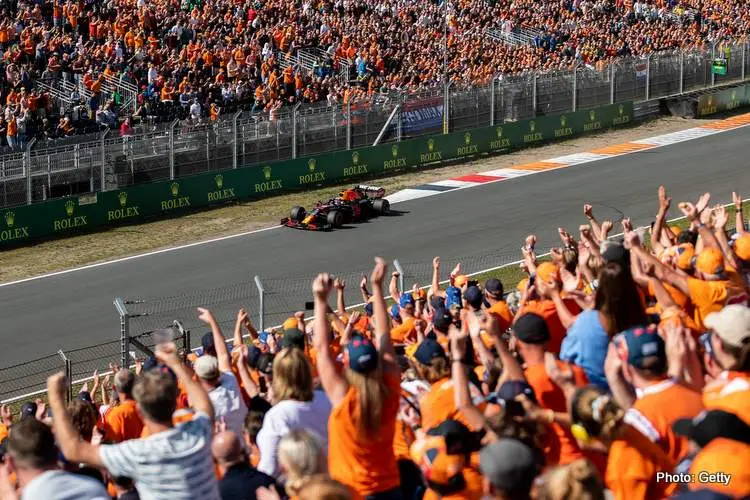
Formula 1, the pinnacle of international motorsport, is riding high again with increased popularity on any meaningful metric; last season's finale in Abu Dhabi created a storm of controversy but attracted 108.7 million viewers,
That's the highest viewing figures for a race all season and significantly increased from the previous year.
Social media is awash with celebrities and the general public all sharing their thoughts and feelings about teams, drivers, team principals and decisions.
So, what's happened? Why is F1 so popular with audiences again?
Formula 1 expansion in other areas

2016 saw media company Liberty Media announce its intention to acquire Formula 1 and once the acquisition was complete, the F1 Group undertook its first-ever global marketing campaign.
The marketing campaign that began in 2018, has been up-scaled over the years and the group have been able to engage with fans in innovative ways, but other less obvious areas also contributed to the F1 growth.
Online casinos that offer betting on sports viewed the Grand Prix market as an area that could see significant growth and therefore offered more ways to bet on a race.
People still like to bet on the outright winner, and while many might be tempted by Lewis Hamilton, who is priced at 9/1 at the time of writing, there are numerous options to choose from now.
Just like other sports betting, rather than simply picking the race or overall winner, punters are now able to bet on many different facets of the race including if a safety car will appear at some point.
These options, with the expected online casino promotions and bonuses, entice more people to bet on the action and take an interest in the sport.
Additionally, F1 saw a prominent increase in online engagement across the major social media platforms and when you compare 2019 to 2020, had the highest engagement growth figure of any other major sports league. Online video views increased significantly and the podcast,
Beyond The Grid, was able to attract fourteen million listeners. F1 also ventured into eSports, in 2017 with the official Formula 1 video game from developer Codemasters. The community of eSports players provided an unexplored avenue for greater engagement with the sport and now in its fourth season, continues to increase viewership.
The Netflix Effect

The Netflix Effect is when a series on the mammoth subscription streaming service catapults a relatively unknown person or persons to overnight massive fame due to the millions of people binge-watching the specific show.
Tiger King's Joe Exotic and Carole Baskin are good examples, but more recently the cast of Squid Game also experienced the effect. The Netflix show Drive to Survive has made the drivers and team principals household names and the docu-series has been particularly influential in cracking the American audience.
Americans that had previously never watched a race are now avid fans and the Miami and Austin Grand Prix will be hotly anticipated as more and more Americans desire to experience an F1 race atmosphere for themselves. Before Drive to Survive, the sport was really a private affair, but the producers aimed to deliver a unique viewing experience and have undoubtedly delivered.
While Lewis Hamilton has always garnered media attention and is often embroiled in controversy of some sort (he is unafraid to speak out concerning issues away from racing), other less obvious characters have become beloved due to the Netflix show.
Daniel Ricciardo is a prime example who now commands the eye of the general public, even though he rarely achieves podium finishes. The team principals Toto Wolff and Christian Horner, assisted by his wife Geri, have also become box office and people simply want to see more of them.
Formula 1 experienced some grim times just over a decade ago, but thanks to creatively expanding the brand and the Netflix Effect, it is very much prime viewing again.
Latest News


Loading