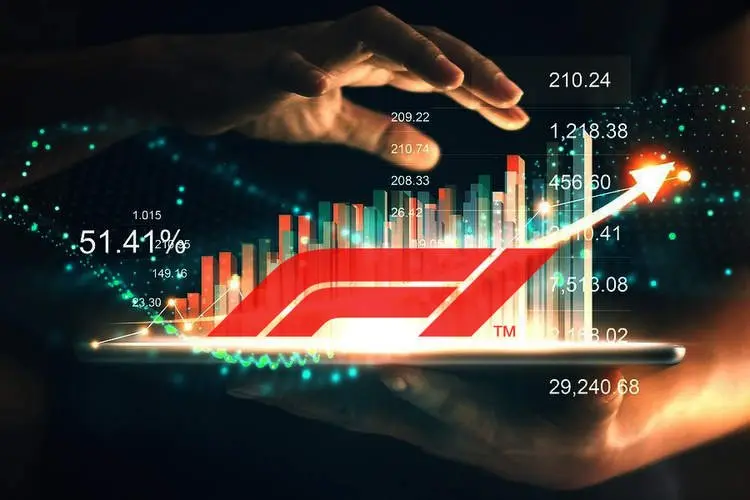
In today’s sports culture, fans are no longer content just watching the action — they want to understand it, break it down, and forecast what comes next.
This shift has given rise to a new kind of enthusiast: the data-driven fan. And two sports that have captured their attention more than most? Formula 1 and NCAA basketball.
At first glance, they couldn’t be more different — one is a global motorsport juggernaut built around cutting-edge engineering, the other a fast-paced, American collegiate tradition rooted in unpredictable outcomes and Cinderella stories.
But for fans who thrive on analytics, probability, and real-time decision-making, these two sports offer remarkably similar appeal.
The Rise of Predictive Thinking in Sports Fandom
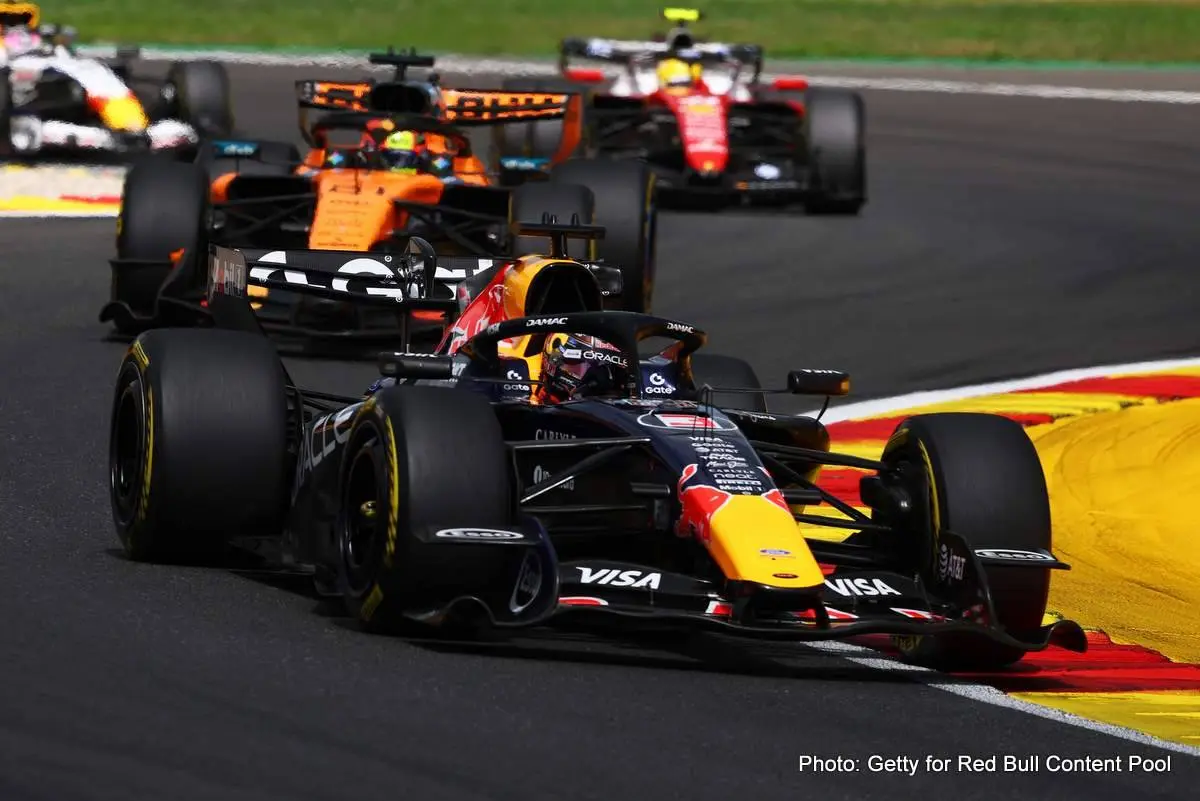
What draws fans to both of these sports isn't just the competition — it’s the complexity behind the scenes. Formula 1 races are determined not only by driving skill but also by tire strategy, pit timing, energy recovery systems, and weather variables. Meanwhile, NCAA basketball offers a wild combination of young talent, coaching schemes, tournament pressure, and game-by-game performance metrics.
Data-savvy fans increasingly use prediction tools to get ahead of the action, whether it’s projecting a race outcome based on tire wear or anticipating an upset in the NCAA tournament based on defensive efficiency. These fans are turning to platforms that offer accurate insights, like trusted sources for college basketball predictions, where forecasts are driven by matchup statistics, player metrics, and historical trends. The appeal lies in the idea that understanding the data can lead to a smarter, deeper appreciation of what’s happening on the court — or the track.
Fast, Fluid, and Unpredictable
One of the biggest draws for F1 and NCAA basketball is their shared unpredictability. In Formula 1, a safety car can shuffle the entire grid, or a power unit failure can sideline a championship contender. In college basketball, an unranked team can suddenly dominate a powerhouse with hot perimeter shooting and fast tempo.
For data-minded fans, this unpredictability doesn’t take away from the experience — it enhances it. These are the kinds of moments they try to anticipate by analyzing every possible variable. They’re not just watching the game; they’re testing their own models, assumptions, and theories.
According to a report by Deloitte on immersive sports fandom, the next generation of fans is far more engaged with analytical content and interactive features. Rather than passively viewing a race or game, they want to interact with stats in real time, compare predictions, and explore how various factors could influence the outcome.
Tactical Complexity = Viewer Loyalty
Both sports reward tactical understanding. In Formula 1, fans who know when an undercut is coming or can spot early tire degradation gain a richer viewing experience. NCAA basketball, on the other hand, becomes much more compelling when viewers understand tempo control, zone defenses, and player usage rates.
As teams in both sports continue to embrace data analytics themselves — with F1 engineers calculating downforce deltas and basketball coaches using shot charts to plan matchups — fans are following suit. The line between the analyst and the spectator is thinner than ever.
This has given rise to a growing subculture of fans who blend statistics with storytelling. They don’t just want to know who won — they want to know why it happened and whether it was predictable. That overlap of analysis and entertainment is where F1 and NCAA basketball both thrive.
A Cross-Sport Culture of Insight
It’s becoming more common to see fans cross over from one sport to another based on this shared appetite for analysis. An F1 fan who tracks lap-by-lap delta charts is likely to appreciate a basketball breakdown that shows how a team’s defensive efficiency improved over a 10-game stretch. Both require a commitment to understanding nuance — and both reward that commitment with insights that make the live action even more thrilling.
As sports content becomes more accessible through second-screen experiences and interactive platforms, data-first fans are spending less time on surface-level takes and more time digging into the numbers. Whether it’s predicting the next breakout team in March or calling an undercut in Monaco, the thrill is the same: using information to stay one step ahead of the game.
Latest News

Loading