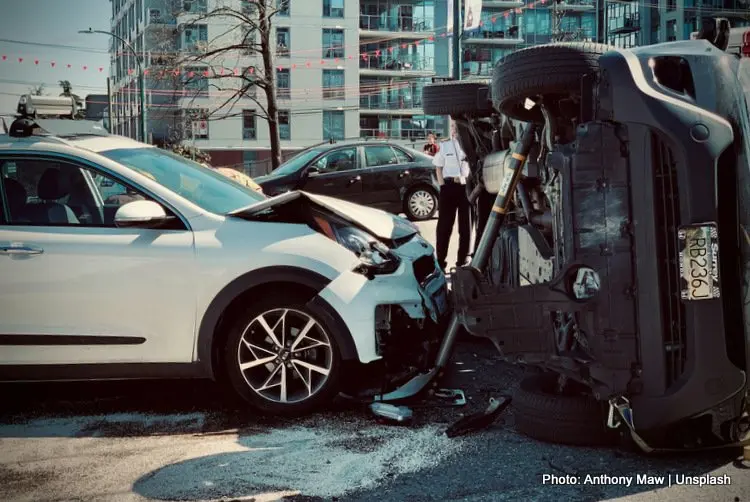
Tampa’s busy roadways often create a mix of local traffic, tourists unfamiliar with the area, and seasonal weather disruptions.
Highways like I-275 and the Veterans Expressway, along with bustling urban streets such as Dale Mabry and Kennedy Boulevard, witness a variety of accidents year-round. From minor fender benders to chaotic chain-reaction pileups, these incidents lead to serious questions about liability.
Drivers, passengers, and pedestrians all find themselves affected in unique ways when crashes occur. In Tampa, understanding who holds responsibility in a car accident isn’t just helpful—it’s essential to protecting your rights and securing the compensation you deserve.
Understanding Florida’s No-Fault Insurance System
Florida follows a no-fault insurance system, which means your own insurance company covers your medical expenses and certain other losses after a car accident, regardless of who caused it.
This rule aims to speed up the compensation process and reduce lawsuits, but it doesn’t prevent victims from pursuing a claim against a negligent party if the injury meets the “serious injury” threshold.
In more severe crashes, particularly those involving permanent damage, fractured bones, or disfigurement, the no-fault system no longer shields the at-fault driver. Instead, liability becomes a central issue, often leading to more complex legal proceedings.
Why Legal Guidance Matters After an Accident
Even though Florida’s insurance laws seem straightforward on the surface, determining fault in practice can be extremely complicated. If you’re looking for a car accident attorney Tampa has a number of reputable law firms that specialize in personal injury and auto accident cases. L
ocal attorneys possess knowledge not only of state laws but also of how local courts handle accident claims. That matters when you’re dealing with disputes over negligence, conflicting witness statements, or ambiguous police reports.
An experienced lawyer in Tampa understands how the area’s traffic patterns and typical accident scenarios can influence a case. With the right legal strategy, you can ensure the liable party gets held accountable while you focus on recovery.
Rear-End Collisions: More Than Just a Bump
Rear-end collisions might seem simple to resolve—after all, the driver who hits the car in front usually bears the blame. But not every case is so clear-cut. Sometimes, the front driver suddenly brakes without warning, has malfunctioning brake lights, or cuts off another car.
In such cases, investigators must look beyond the obvious. Determining liability requires evidence from dashcams, eyewitness accounts, and accident reconstruction.
Moreover, rear-end collisions can lead to serious injuries like whiplash or spinal damage. Despite their reputation as minor incidents, these accidents often demand in-depth legal evaluation to fully understand who truly acted negligently.
Side-Impact Crashes and Intersection Hazards
Side-impact or “T-bone” crashes usually happen at intersections and can be devastating, especially when one car strikes the vulnerable side of another vehicle. These accidents frequently result from red-light violations, failure to yield, or distracted driving.
Determining fault often involves analyzing surveillance footage, traffic signal data, and witness testimony. In many cases, both drivers share some responsibility, making comparative negligence a major factor. Even a slight misjudgment of timing or speed can shift the liability balance.
Because these crashes commonly lead to serious injuries and totaled vehicles, getting the facts right becomes a critical step in seeking justice.
Multi-Car Pileups: When Chaos Clouds Responsibility
Pileups create one of the most complex scenarios for assigning fault. With multiple vehicles involved, several drivers may act negligently, and the chain reaction can make it hard to pinpoint the origin of the accident.
Investigators must untangle a web of collisions, often relying on forensic evidence, traffic cameras, and statements from dozens of witnesses. Fault may rest with the first driver who caused the initial impact, or liability could get split among multiple parties. Insurance companies may also attempt to shift blame to reduce payouts. When several insurers get involved, having solid representation becomes even more important.
Distracted Driving: A Modern Liability Minefield
Distractions on the road can turn a routine commute into a disaster in seconds. Texting, fiddling with navigation systems, or even eating while driving—all fall under distracted driving. Liability in these cases often hinges on proving the distraction.
Police reports, phone records, or surveillance footage can serve as strong evidence. Florida law allows victims to hold distracted drivers accountable, especially when the distraction leads to injuries or extensive vehicle damage.
Drivers must maintain full attention while behind the wheel. If they don’t, they risk not only traffic citations but also personal injury lawsuits that highlight their negligence.
Driving Under the Influence: A Clear-Cut Case for Fault
Unlike more ambiguous accident causes, DUI-related crashes usually come with straightforward liability. Florida law treats impaired driving seriously, whether the impairment stems from alcohol, illegal drugs, or even prescription medication.
When someone drives under the influence and causes an accident, they face both criminal penalties and civil liability. Victims can pursue claims for medical expenses, lost income, and pain and suffering. In some cases, courts may also award punitive damages to send a message.
Evidence such as breathalyzer results, field sobriety tests, and officer testimony all build a solid case against the impaired driver.
Weather Conditions: Shared Responsibility or Clear Negligence?
Tampa drivers often deal with unpredictable downpours and slick roads, especially during hurricane season. While weather plays a role in many accidents, it doesn’t excuse poor driving. If a driver fails to slow down, doesn’t maintain proper following distance, or uses worn-out tires, they may still be liable even if rain or fog contributed to the crash.
Weather may complicate conditions, but it doesn’t shift responsibility away from human decisions. Investigators will look at whether the drivers adjusted their behavior appropriately. If someone drives recklessly in bad weather, they can’t use nature as a legal defense.
Figuring out who’s liable in a car accident can feel overwhelming. From the confusion of multi-car pileups to the split-second mistakes behind rear-end collisions, each case demands a detailed look at what happened and why.
Florida’s laws offer a framework, but every accident has its own nuances. That’s why gathering evidence early, understanding your rights, and working with professionals who know the system matters. Whether you’re a driver, passenger, or pedestrian, knowing how liability works puts you in a stronger position to protect your health, finances, and peace of mind.
Latest News



Loading