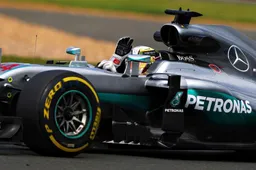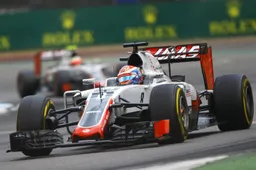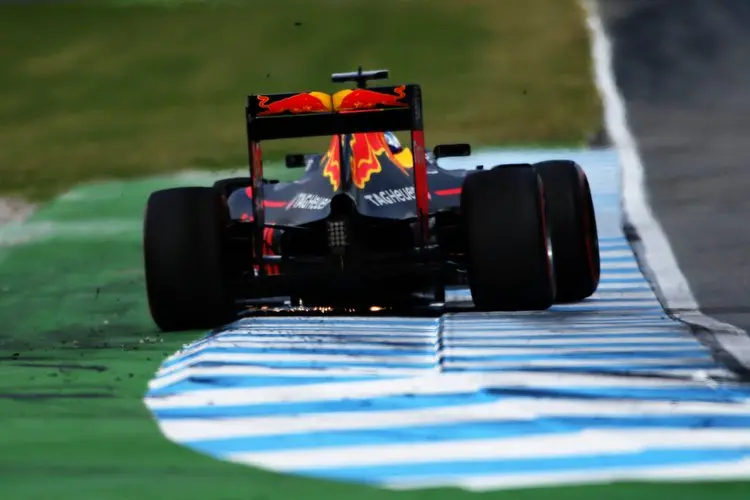
Two Formula 1 team bosses have slammed the current situation in the sport regarding the thorny topic of so-called 'track limits' but F1 Race Director insists they must be policed.
Just before the summer break, leading team chiefs approached Whiting to plead for a change of heart, with interpretations of the legal limits of the track having controversially changed from corner to corner, and track to track - and even day to day - in recent races.
Mercedes' Toto Wolff thinks the FIA should stop policing the limits altogether, "Let them race. It is good for the spectacle and great for the fans."
"If you start to analysing white lines and whether a driver has put two centimetres of his tyre over the marks and his laptime is taken away, nobody understands."
Red Bull's Christian Horner has a slightly different view, believing that while track limits should be policed, it should at least be done so consistently.

"You just cannot take it corner by corner and my frustration is like so many other people's," he said. Horner thinks a "white line" marking the extremities of the track should be strictly policed, just like in tennis.
The other issue, Wolff explained, is the lack of consistency, "In Germany is was stupid. The legislation was changed three times."
Whiting, however, said it is just not feasible to stop policing track limits, "I felt that was inappropriate. I think we should carry on doing what we do.
"There are certain corners on certain tracks that do present us with little problems but we are getting rid of them one by one."
"The difficulty of allowing complete freedom and letting them go very wide and no longer taking any notice is that simply there would be a different track fundamentally and it would be faster and there would be less run-off - so we couldn't possibly contemplate it," Whiting added.
Latest News

Loading