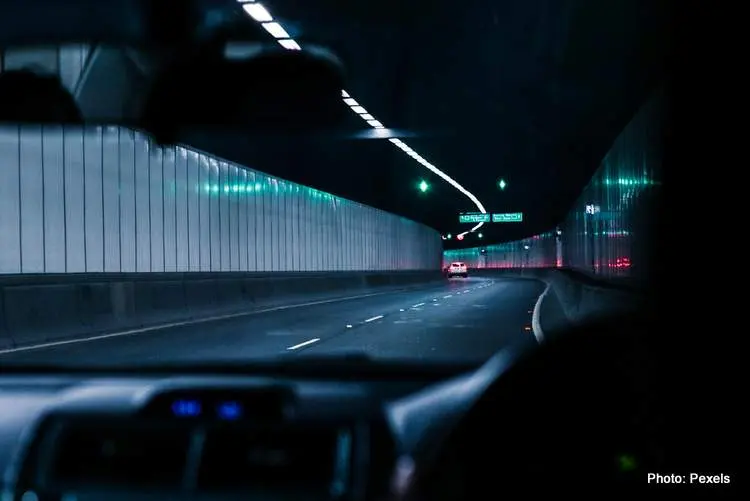
When it comes to long-distance driving, nighttime presents unique challenges and considerations that can significantly impact your journey.
Whether you're embarking on a road trip, heading out for work, or visiting family, understanding the nuances of nighttime driving is essential. The calm of the night can be alluring, with less traffic and quieter roads.
However, decreased visibility and fatigue can pose serious risks. Knowing how to prepare for, navigate, and handle these situations will ensure a safer and more enjoyable experience. Below are key points to consider when driving long distances at night.
Preparation is Key
Before setting off on a nighttime drive, proper preparation can make a significant difference. Start by checking your vehicle to ensure everything is in working order. This includes your headlights, brake lights, and turn signals.
Dim or faulty lights can obscure your visibility, making it difficult to see the road and surroundings. If you're driving a Toyota Tacoma, consider upgrading to AlphaRex USA 16-23 Toyota Tacoma NOVA-Series headlights for improved visibility. Having the right lighting can enhance your vision in the dark, allowing you to spot potential hazards sooner.
Don’t forget to pack an emergency kit. This should include items like a first aid kit, extra water, a flashlight, and basic tools. Knowing you have a backup plan can reduce anxiety during unexpected situations.
Understanding Fatigue and Its Effects
Fatigue is one of the leading causes of nighttime driving accidents. The biological clock that regulates sleep often makes our bodies feel less alert during nighttime hours, increasing the likelihood of drowsiness.
It's imperative to listen to your body’s signals. If you start feeling tired, taking a break is vital. Pull over to a safe spot, stretch your legs, or even take a brief nap if necessary. Studies reveal that missing just one hour of sleep can double the risk of accidents (National Highway Traffic Safety Administration).
Incorporating regular breaks during your drive can also help maintain optimal alertness. Aim to stop every couple of hours to recharge. During these stops, avoid caffeine and heavy meals that can lead to a crash in energy levels afterwards. Instead, consider light snacks that can keep you energized without weighing you down.
Adjusting Driving Techniques for Nighttime Conditions

Driving in the dark requires adapting your techniques to ensure safety. Reduce your speed; with limited visibility, it’s better to be cautious. This allows for a longer reaction time to anything that may enter your view.
Keeping a greater following distance from the vehicle ahead is equally important. At night, it’s harder to judge speed and distance, so allowing extra space gives you more time to react if they suddenly stop. Moreover, use your high beams wisely. While they illuminate the road more effectively, they can blind oncoming drivers.
Switch to low beams when there’s traffic coming toward you to avoid causing hazardous situations. Pay special attention to roadside signs, as they are often more difficult to see at night. Staying vigilant for wildlife is crucial as well, particularly in rural areas.
Post-Trip Considerations
After completing a long nighttime drive, it's essential to transition back to daytime routines gradually. Once at your destination, take time to assess your energy levels. Fatigue may linger even after you've arrived.
Allow yourself a recovery period to ensure safety if you plan to stay behind the wheel for additional trips. It’s beneficial to stretch and hydrate upon arrival to aid in recovery. Reflect on what went well during your journey, as well as any challenges.
This reflective practice can help improve your future drives. If you experienced any near misses or close calls, consider what you might adjust next time.
Driving long distances at night doesn’t have to be a daunting task. With proper preparation, understanding fatigue, adjusting your driving techniques, and considering post-trip strategies, you can navigate the roads confidently. Embracing the tranquillity of the night while staying alert can transform your journey into a memorable experience.
Latest News








Loading