The iconic Monaco Grand Prix is much more than just a race. It is a vibrant testament to the evolution of Formula 1.
The rich history of Monaco embodies the delicate balance between tradition and innovation, showcasing how F1 has transformed from a showcase of raw driver skill into an arena defined by data-driven precision.
With that said, let's dive straight in to discover more about what the Grand Prix in Monaco reveals about the evolution of F1 racing.
Since its inaugural race in 1929, the Monaco Grand Prix has held a unique place in the hearts of motorsport fans. The circuit's twisting streets, flanked by luxury yachts and historic buildings, create an atmosphere of glamour around the event.
Drivers like Ayrton Senna and Graham Hill have achieved legendary status, proving their worth in a challenging environment that tests skill more than machinery.
However, as we progress deeper into the digital age of racing, the demands of modern competition are altering the landscape of F1 like never before.
The shift from driver skill to data-driven performance

The evolution of technology in F1 has been dramatic. In the past, success hinged primarily on the raw talent of the driver, but today, it is often about the interplay between man and machine. Advanced telemetry and data analytics now play a crucial role in race strategy and car performance.
Teams gather real-time information on everything from tyre degradation to engine performance, allowing them to make informed decisions that can drastically alter race outcomes.
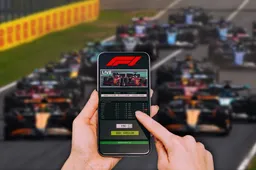
As fans track their favourite drivers, they often refer to the latest F1 race odds and betting lines, which reflect the changing landscape of this thrilling sport. Fans tracking the latest F1 odds can see how performance metrics influence not just the teams but also the markets surrounding the event, which reflects a shift where knowledge and information are just as important as driving talent.
The data-driven performance is particularly evident in Monaco, where the narrow streets offer little room for error. With technology enhancing car designs and construction, modern-day races reveal a growing dependence on data analytics.
Despite the advent of technology and analytics in F1, the Grand Prix in Monaco stands as a reminder of the importance of maintaining a connection to the sport's history. Traditionalists often argue that the essence of racing lies in the driver's ability to navigate challenging conditions without the crutch of electronic aids.
Balance between tradition, modernisation and the future of Formula 1

Formula 1 has implemented regulations aimed at preserving the spirit of competition while embracing innovation. This dual focus on heritage and modernity highlights a profound evolution within F1, where both elements are critical for sustained success.
As we look to the future, the evolution of Formula 1 will likely continue to be intertwined with cutting-edge technology and analytics. The pursuit of error-free racing will become increasingly reliant on understanding intricate data, helping teams to enhance performance at every level.
This creates opportunities for fans to follow how race expectations shift through various performance indicators, including publicly available pre-race odds and analytical models.
The Grand Prix in Monaco serves as a fascinating lens through which we can observe the profound changes in Formula 1. As it blends the historical significance of driver skill with the precision of data analytics, it reflects the broader evolution of the sport.
As both tradition and innovation coexist, one thing remains clear. The thrilling spectacle of F1 is set to captivate audiences for generations to come. With every new season, fans will continue to revel in the excitement, searching for the latest insights to stay ahead in this dynamic sport.
Latest News

Loading