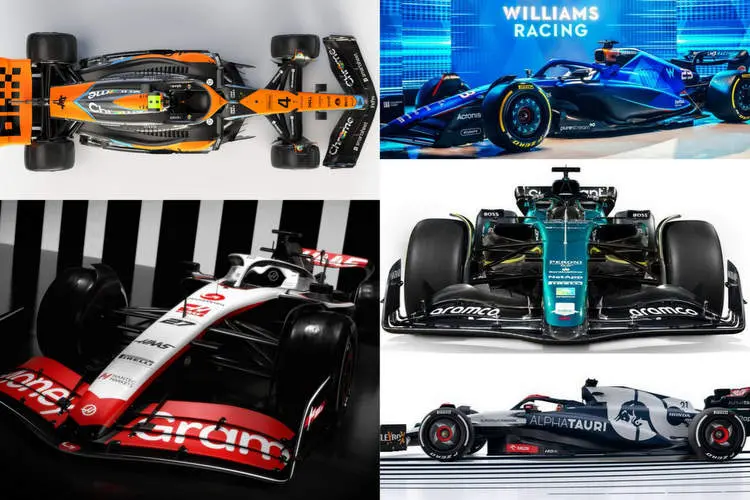
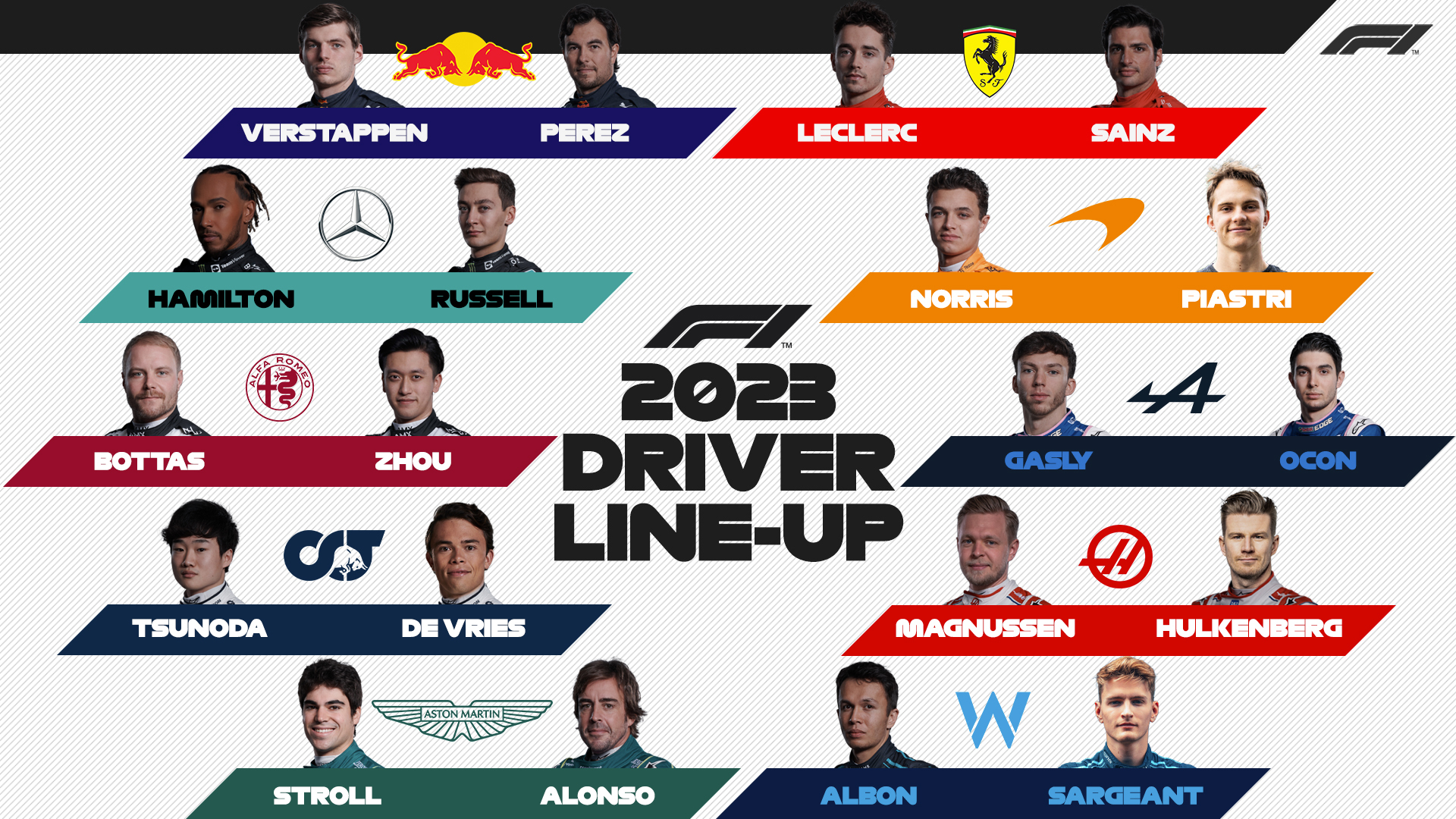
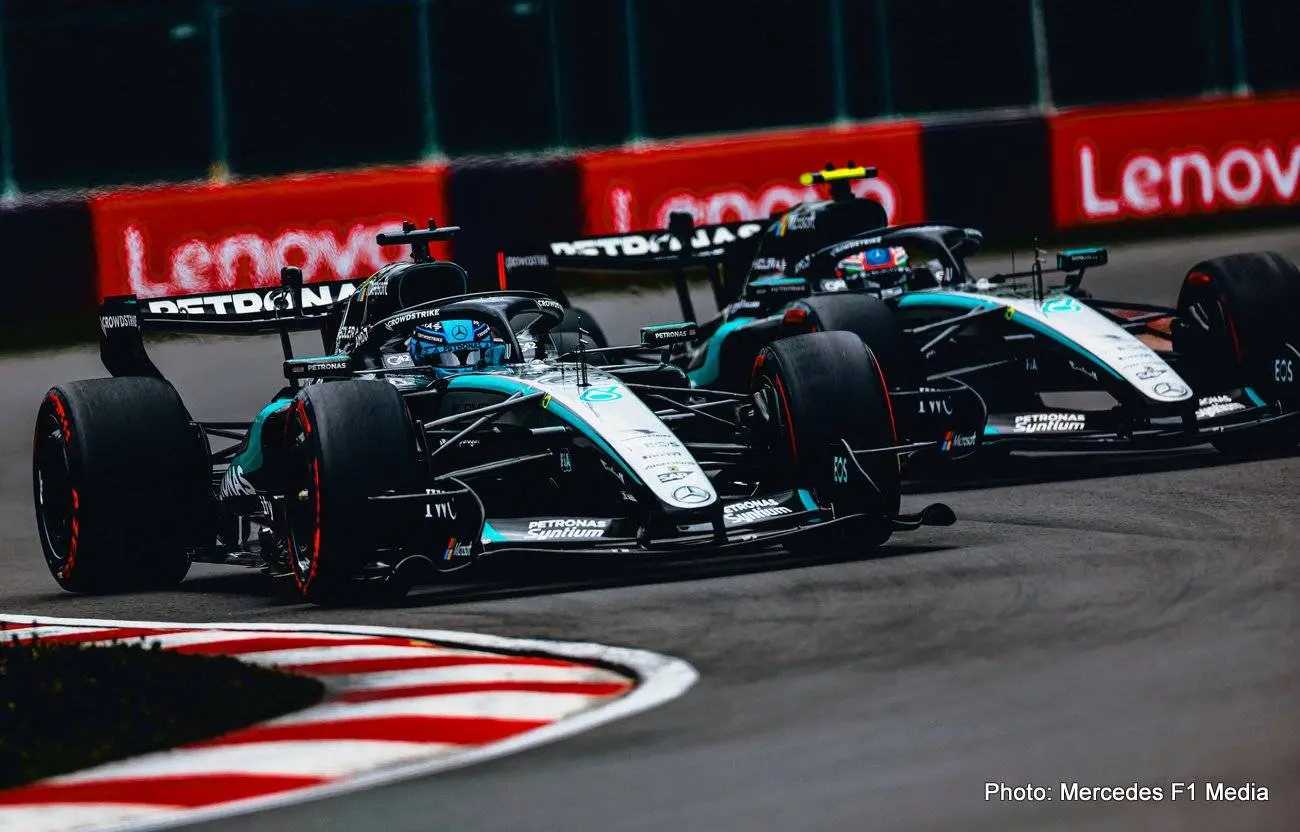
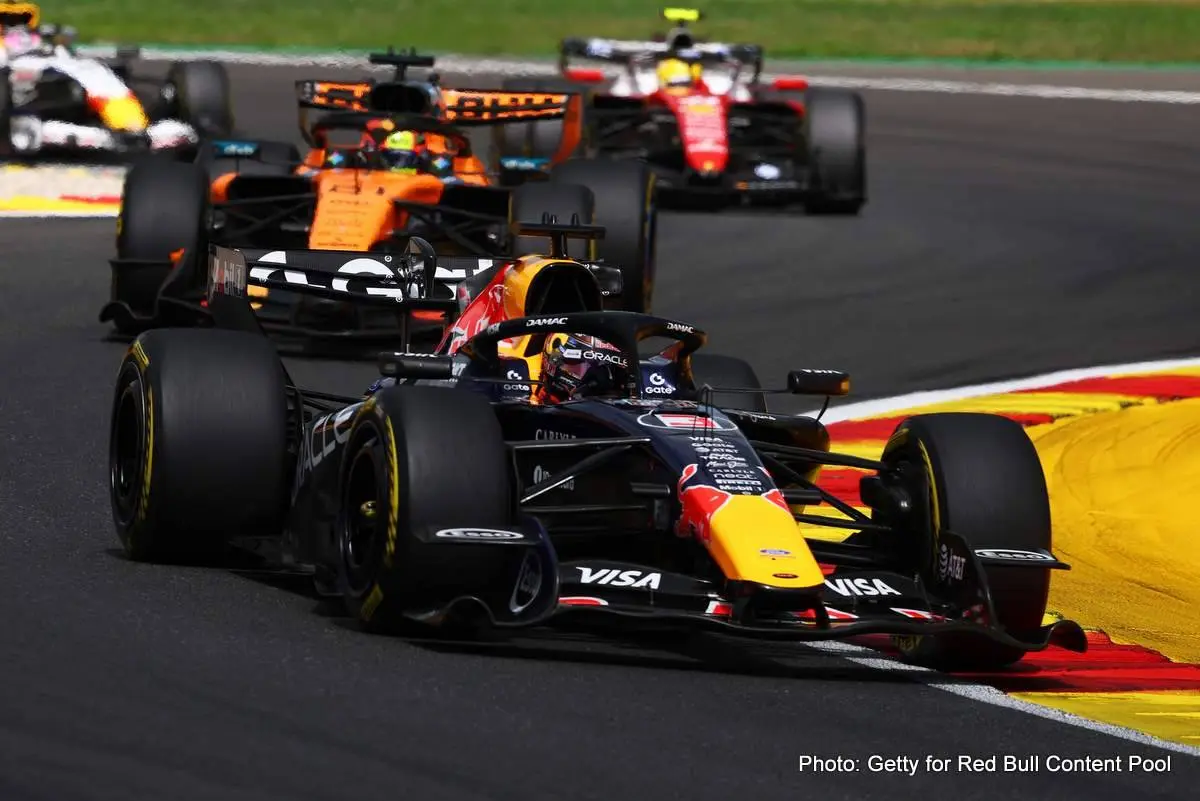
Formula 1 world champions Red Bull remain a popular choice in slot casinos not on gamstop uk and have maintained an unchanged line-up for the third consecutive season with Max Verstappen and Sergio Perez, while Mercedes are also unmoved with Lewis Hamilton and George Russell and Ferrari with Charles Leclair and Carlos Sainz.
But as the top three teams keep their driver line-ups unchanged, there are plenty of shake-ups elsewhere. After Sebastian Vettel's career ended at the end of 2022, Fernando Alonso made a shock move to Aston Martin to join Lance Stroll, leaving a gap to be filled at Alpine.
After a contract saga in which Oscar Piastri was heading to McLaren to replace the dethroned Daniel Riccardo in a garage bay alongside Lando Norris, Alpine chose Pierre Gasly from AlphaTauri to form an all-French bond with Esteban Ocon. Williams kept Albon and replaced Nicholas Latifi with newcomer Logan Sargent. Haas replaced Mick Schumacher - now a Mercedes reserve driver - with Nico Hulkenberg to take over alongside Kevin Magnussen.
F1 car in 2023 - stats, design and speed
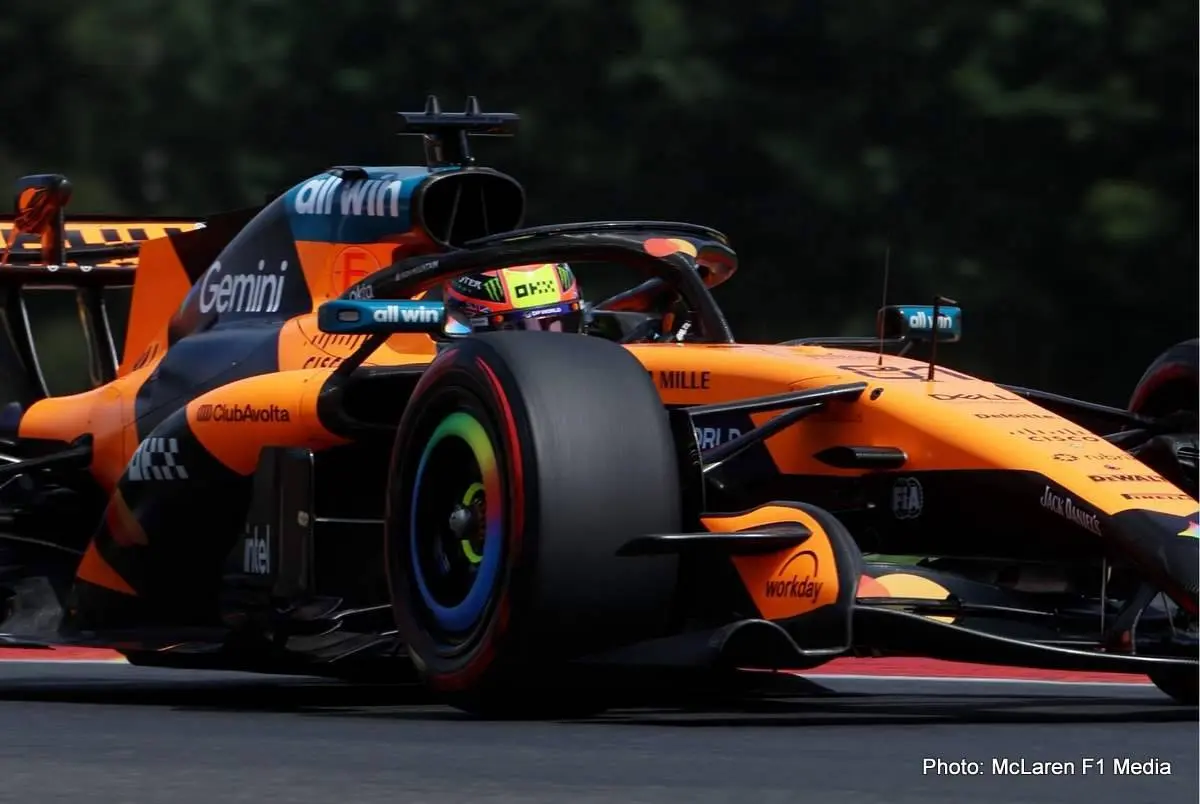
Aerodynamic rules have been revised for the Formula 2022 1 season, introducing a return to the ground effect formula for the first time since 1982.
This was in an attempt to reduce the current reliance on wings for downforce, blamed on the 'dirty air' that has made racing in close quarters difficult these days, and instead placed much of the burden on the floor and its additional Venturi tunnels to develop downforce.
Regulatory changes also included a switch to 18-inch tyres for 2022, bodywork around the wheels and a complete scrapping of barge devices to get the desired effect in terms of racing. With a smaller expected footprint DRS has been retained for the 2022 rule set to mitigate the reduced slip effect on the straights, a natural by-product of the aerodynamics change.
Despite the changes, the cars were generally only a second slower than in 2021. Although the 2022 cars struggled more compared to their predecessors, their pace in the faster corners largely eliminated some of the gaps.
One of the biggest problems caused by the change was the appearance of bouncing, a phenomenon where the car wobbled on the straights. This caused discomfort and a lack of visibility for drivers.
One of the biggest problems caused by the change was the appearance of bouncing, a phenomenon where the car wobbled on the straights. This caused discomfort and a lack of visibility for drivers.
F1 2023 calendar for the season

F1 will run its biggest calendar yet in 2023, with 23 races scheduled for the season, up from 22 races in 2022, which was originally scheduled for 23 races before the Russian Grand Prix was cancelled.
The Chinese Grand Prix has been cancelled for 2023 due to ongoing COVID-19 restrictions and will not be replaced on the calendar. Returning to the line-up is the Qatar Grand Prix, absent last year due to the World Cup, plus the brand new addition of the Las Vegas Grand Prix.
While F1 has raced in Las Vegas before, at Caesars Palace from 1981-82, the new purpose-built Las Vegas complex will see the series race around the city's most iconic landmarks.
Changes to the 2023 schedule see the Azerbaijani Grand Prix return to an early spring slot, previously held in June, while the Belgian Grand Prix has been moved to an August summer break to avoid a triple bump after the summer break with the Dutch and Italian rounds. There will also be six sprint races in 2023, up from three in the previous two seasons, although it is not known which events will take place in the altered race format.
Rule changes for 2023

The specification of the 2023 ground-effect floors will be increased by 15mm to minimise the number of teams running their cars as low as possible and risking safety issues caused by vertical vibrations. This was originally proposed as a 25mm lift, but resistance from the teams has reduced the overall change in floor edge height.
This includes stricter flexibility tests to ensure teams are not using elasticity in the floor to run edges closer to the ground, while the height of the diffuser neck has been increased to reduce aero sensitivity under the car.
Following Zhou Guangyu's crash at the 2022 British Grand Prix, the rollhop rules have also been revised to improve durability. Each car will also be fitted with larger mirrors to improve rear visibility and some teams have already tested them in practice. They will be widened from 150mm x 50mm to 200mm x 60mm.
F1 has introduced a sliding scale relating to wind tunnel and CFD testing times, which reduces the number of tests allowed depending on the team's place in the championship in 2021.
Latest News




Loading

