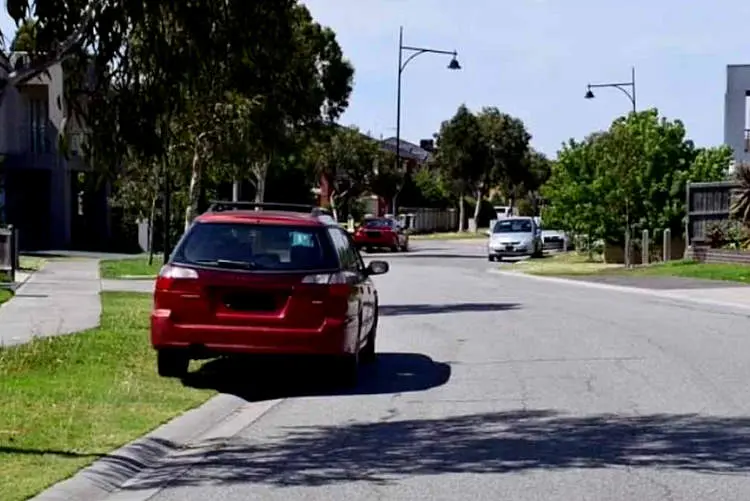
Intersections in New South Wales are among the most common locations for collisions.
Most drivers know that stop signs are the most basic aspect of road regulation, but precisely when to stop and go can be confusing.
Knowing repetitive mistakes can improve safety and be more valuable in driving. This special report for our Formula 1 readers investigates what many NSW drivers today neglect when using stop indicators.
Stop Signs: What You Can Know
Stop sign rules in NSW are more than a suggestion; they are legally binding. It requires vehicles to stop at the stop line, or if there is none, before entering the intersection. Still, plenty of drivers make a rolling stop, which doesn't meet the letter of the law. Not only does this draw the risk of running into hit-and-run cases, but it can also cause heavy penalties.
The Significant Role of a Full Stop
A full stop gives ample time to check for oncoming traffic. By coming to a complete stop, drivers can assess the vicinity for pedestrians, cyclists, and other cars. This needs to be a pause because this is a point where many accidents happen, and a second is enough to ensure those intersections are clear. Many drivers do not see this need, so they approach the intersection hurriedly and overlook the necessary caution.
Failure to Yield or Misjudgment of Right of Way
Figuring out the right of way can baffle even experienced drivers. At intersections where stop signs control all traffic, however, there can be a lot of mischief. Usually, the first car on the scene gets preference. If two cars come simultaneously, please the one on the left yield to the one on the right. Misunderstandings in this department usually result in arguments and, in some cases, violence.
Ignoring Pedestrians
Intersections are known to be the most common yet dangerous places for pedestrians, especially in cities. Drivers often do not account for individuals on foot crossing the road. The stop sign not only controls automobile traffic but also requires consideration of pedestrians. Checking the crosswalks before clearing the intersection is a little extra precaution that can help prevent pedestrian accidents.
Ignoring Visibility Problems
At intersections, visibility is especially important. Things like parked cars, trees, or buildings can block a driver's line of sight. There, a full stop becomes even more critical. If the driver has stopped to let other vehicles pass, they should not walk forward carefully so that the driver can see ahead. To get a good intersection scope and decision-making, have a good assessment of it before moving on!
Mistakes from Distractions
Our world has become increasingly fast-paced with many distractions. Distractions can come from mobile phones, in-car entertainment systems, and even passengers. These distractions frequently lead to stop signs that are missed or incorrectly stopped at. Then again, staying alert and having fewer distractions can help you significantly improve sign adherence.
Either Misunderstood Signage
Sometimes drivers mix up traffic signs, like thinking a yield sign is a stop sign or a stop sign is a yield sign. It is necessary for safe driving to understand the differences between these signs. With stop signs, you have to come to a complete stop, and with yield signs, you have to slow down and be prepared to stop. Knowing these differences allows you to avoid confusion and stay safe behind the wheel.
Ways to Get Better
Consciously trying to stop and practising are all part of the solution for improving stop sign compliance. Driving courses or refresher training can reinforce proper techniques. Expecting the unexpected encourages a few good habits, like treating intersections with more awareness and patience. Promoting healthy conversations about this issue around neighbourhoods and communities creates a collective accountability for road safety.
Conclusion
Stop signs are simple yet essential in ensuring order and safety on the road. Identifying and correcting common mistakes among drivers in NSW makes driving more convenient for individuals and safer for all road users. NSW can be safer for all of us if we adhere to the rules and understand the road laws better. By adopting these habits, we foster a driving culture with a conscience, and the entire community will be better for it.
Latest News








Loading