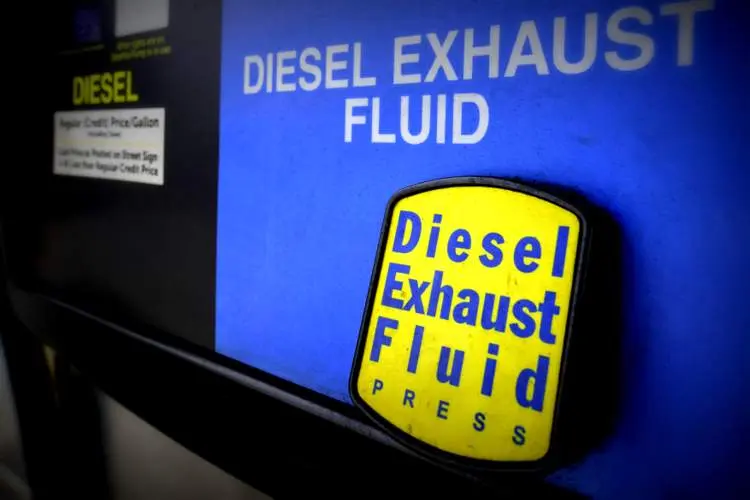
As car owners deal with their vehicles’ maintenance, its worthwhile to know what Diesel Exhaust Fluid (DEF) is and if their vehicles require it? Beyond the complexities of engine mechanics, DEF plays a pivotal role in an eco-conscious era.
Join us on a journey to learn DEF, exploring its purpose, significance to you and the world, and how it benefits both your vehicle and the environment.
What Is DEF? Diesel Exhaust Fluid is a non-toxic solution composed of deionized water and urea (typically a 32.5% urea and 67.5% water mixture). It's used in diesel engines equipped with Selective Catalytic Reduction (SCR) systems to reduce harmful nitrogen oxide (NOx) emissions.
The use of DEF has been increasingly significant due to strict environmental regulations. For instance, the Clean Air Act (CAA) mandates substantial reductions in NOx emissions.
How DEF Works with SCR Technology
In SCR systems, DEF is injected into the exhaust stream. It breaks down NOx gases into harmless nitrogen and water vapor, significantly reducing the vehicle's environmental footprint.
In the SCR process, DEF is injected into the exhaust stream of diesel engines, reacting with the NOx emissions produced during combustion. The chemical reaction converts NOx into harmless nitrogen gas and water vapor, then released into the atmosphere.
This technology helps diesel engines comply with increasingly stringent emissions regulations, such as those set by the Environmental Protection Agency (EPA) and other regulatory bodies worldwide.
Vehicles with SCR technology typically have a DEF gauge or warning system to alert drivers when the DEF level is low. Users must refill the DEF tank regularly to ensure proper emission control and compliance with environmental standards.
Environmental and Efficiency Benefits

NOx Emission Reduction - The primary purpose of DEF is to reduce nitrogen oxide (NOx) emissions from diesel engines. NOx is a major contributor to air pollution and can harm human health and the environment.
The NOx emissions are converted into harmless nitrogen gas and water vapor by injecting DEF into the exhaust stream and using Selective Catalytic Reduction (SCR) technology. Studies show that SCR technology, aided by DEF, can reduce NOx emissions by up to 90%.
Environmental Impact - Reducing NOx emissions helps mitigate the environmental impact of diesel engine operation. Lower NOx levels contribute to improved air quality and reduce the formation of smog and acid rain. This is particularly important in urban areas where air quality concerns are significant.
Compliance with Emission Standards - DEF usage allows diesel engines to comply with stringent emissions standards set by regulatory bodies such as the Environmental Protection Agency (EPA) and the European Union. Adhering to these standards is essential for manufacturers and operators to meet legal requirements and reduce their environmental footprint.
Fuel Efficiency - While DEF is not a fuel additive, using SCR technology and the associated NOx reduction can improve fuel efficiency in diesel engines. By optimizing combustion and reducing the need for other emission control measures, DEF helps enhance overall engine performance and efficiency.
Extended Engine Life - By reducing NOx emissions and optimizing combustion, DEF contributes to the longevity and durability of diesel engines. Lower levels of pollutants can lead to less wear and tear on engine components, resulting in longer service life, reduced maintenance costs, and less frequent involvement in vehicular accidents.
Comparison with Other Emission Control Technologies

Diesel Exhaust Fluid (DEF) and Selective Catalytic Reduction (SCR) technology represent one approach to controlling nitrogen oxide (NOx) emissions from diesel engines. There are other emission control technologies as well, each with its own advantages and disadvantages.
Here's a brief comparison of DEF/SCR with other emission control technologies:
Diesel Particulate Filters (DPF) - DPFs capture and trap particulate matter (PM), including soot, from the exhaust stream.
- Pros: Effectively reduces particulate emissions and is generally a more straightforward technology than SCR.
- Cons: May require periodic regeneration (burning off accumulated soot) to maintain effectiveness and can lead to increased fuel consumption during regeneration.
Exhaust Gas Recirculation (EGR) - EGR systems recirculate some exhaust gases into the engine cylinders to lower combustion temperatures and reduce NOx formation.
- Pros: Relatively simple, cost-effective, and is integrated into the engine design.
- Cons: May lead to increased intake manifold deposits and can impact engine efficiency and performance.
Lean NOx Traps (LNT) - LNTs adsorb or gather on a surface in a condensed layer, store NOx during lean combustion conditions, and release it during rich combustion conditions for later conversion to nitrogen.
- Pros: Effective at reducing NOx emissions and can be used with other technologies.
- Cons: Sensitive to fuel sulfur levels and limited by catalyst durability and regeneration requirements.
Catalyzed Diesel Particulate Filters (CDPF) - CDPFs combine the functions of DPF and a catalyst to capture particulate matter and catalyze NOx simultaneously.
- Pros: Addresses both particulate matter and NOx and can operate without external inputs like DEF.
- Cons: May require careful temperature management for optimal performance and can be sensitive to sulfur levels.
Oxidation Catalysts - Oxidation catalysts promote the conversion of carbon monoxide (CO) and hydrocarbons into carbon dioxide (CO2) and water.
- Pros: Effective at reducing CO and hydrocarbon emissions and can be combined with other technologies.
- Cons: Limited impact on NOx reduction may need to be more sufficient to meet stringent NOx standards.
Each emission control technology has its strengths and weaknesses. Diesel Exhaust Fluid (DEF) with Selective Catalytic Reduction (SCR) is particularly effective at reducing NOx emissions, making it a key technology for meeting stringent emission standards.
There are several benefits to getting bulk DEF delivery, especially if you’re running a construction, trucking, or data center-related business. Check this page for more info about bulk DEF delivery:
https://www.fuellogic.net/fuel-delivery-services/bulk-def-delivery-near-me/
https://www.fuellogic.net/fuel-delivery-services/bulk-def-delivery-near-me/
Do You Need Diesel Exhaust Fluid?

The need for Diesel Exhaust Fluid (DEF) depends on the type of diesel engine and the emissions control system it employs. If your diesel vehicle or equipment is equipped with SCR, then it will have a dedicated DEF tank, and you will need to periodically refill it to ensure proper operation of the emissions control system.
Most modern diesel vehicles, especially those manufactured after 2010, require DEF. This includes passenger cars, pickup trucks, SUVs, forklifts, and heavy-duty trucks.
Global Impact and Adoption
Adopting Diesel Exhaust Fluid (DEF) has transformed the automotive and industrial landscape globally, responding to strict emissions regulations.
Key automotive markets, including the United States, Europe, and China, have integrated DEF and SCR technology to comply with standards like Euro 6 in Europe and EPA regulations in the United States. This standardized approach enables major manufacturers to produce vehicles that meet emissions criteria across diverse markets.
DEF usage is prevalent in commercial vehicles globally, addressing high nitrogen oxide (NOx) emissions in trucks, buses, and heavy-duty equipment. The expansion of DEF production infrastructure has facilitated its availability at fueling stations, contributing to environmental sustainability.
Recognized by governments and environmental agencies, DEF has achieved a notable positive impact by significantly reducing NOx emissions, influencing a broader cross-industry application beyond transportation.
Ongoing global regulatory developments continue to propel the adoption of DEF and SCR technology in efforts to meet evolving emissions standards.
Consequences of Not Using DEF

Failure to use Diesel Exhaust Fluid (DEF) in a Selective Catalytic Reduction (SCR)-equipped diesel engine can have severe consequences.
The absence of DEF compromises the SCR system's ability to effectively reduce nitrogen oxide (NOx) emissions, leading to non-compliance with emissions standards. This can trigger reduced engine performance, fuel efficiency, and potential damage to the SCR catalyst, incurring substantial repair costs.
Continuous operation without DEF may also result in legal penalties for failing to meet environmental regulations.
Regular DEF monitoring and usage are necessary to ensure optimal engine performance, compliance with emissions standards, and avoiding associated penalties and damages.
Environmental and Health Impacts
Using Diesel Exhaust Fluid (DEF) in Selective Catalytic Reduction (SCR) systems significantly lessens diesel engines' environmental and health impacts.
DEF reduces nitrogen oxide (NOx) emissions, addressing air pollution and smog formation. This leads to improved air quality, benefiting human health by lowering respiratory and cardiovascular risks.
DEF minimizes ecological harm by converting NOx into harmless nitrogen and water vapor, promoting sustainable transportation practices. Its application in various industries reduces the overall environmental footprint, underscoring DEF's positive impact on both human health and the ecosystem.
Myths and Misconceptions
Common myths and misconceptions about using Diesel Exhaust Fluid (DEF) include the belief that DEF is harmful or toxic, which is untrue as it is a non-hazardous solution.
Some think DEF negatively affects fuel efficiency, but it actually contributes to improved engine performance.
There's also a misconception that DEF is the same as diesel fuel, but they serve entirely different purposes.
Another myth suggests DEF is only needed in cold climates but is required for NOx reduction in all conditions.
Usage and Maintenance of DEF

Checking DEF levels is typically straightforward and can be done by monitoring DEF levels through dashboard indicators and refilling the dedicated tank as needed. Refilling DEF is also a simple process, similar to refueling your vehicle.
Proper storage and handling of DEF are essential to maintain its effectiveness. High-quality DEF is necessary to prevent contamination and ensure optimal SCR system performance.
Regular maintenance includes keeping the DEF tank clean, checking for DEF system leaks, avoiding mixtures with other fluids to eliminate contamination, and storing DEF in suitable conditions.
Neglecting DEF maintenance can lead to engine performance issues, increased emissions, and potential damage. Adhering to these practices ensures optimal SCR system performance, emission compliance, and the longevity of diesel engines.
Cost-Benefit Analysis
While DEF incurs additional costs for purchase and refilling, the technology enhances fuel efficiency, reducing long-term operating expenses and avoiding potential fines.
The extended engine life resulting from reduced wear and tear further contributes to cost savings.
DEF's positive environmental impact by lowering nitrogen oxide (NOx) emissions aligns with sustainability goals.
The initial investment in DEF translates into long-term economic benefits, improved performance, and environmental responsibility.
Future Trends and Innovations

Future Diesel Exhaust Fluid (DEF) trends involve continuous innovation to enhance environmental sustainability and efficiency.
- Advanced formulations may be developed to optimize NOx reduction further.
- Integration with smart technologies and sensors may enable real-time monitoring of DEF levels and system performance.
- There could be a focus on sustainable sourcing of urea, the key component in DEF.
- Innovations may extend beyond traditional automotive applications to emerging sectors like electric-hybrid technologies.
The ongoing evolution of emissions regulations globally is likely to drive further innovations in DEF usage, ensuring its continued role in reducing harmful emissions from diesel engines across various industries.
Conclusion
While its necessity may raise questions, the simple truth is that DEF contributes to cleaner emissions and a healthier environment.
As regulations continue to evolve, embracing DEF usage is a proactive step. Remember, a small investment in DEF today can translate to long-term benefits for both your vehicle's performance and the world we share.
Stay informed, make eco-conscious choices, and ensure a smoother ride for your vehicle and a cleaner atmosphere for generations to come.
Latest News










Loading