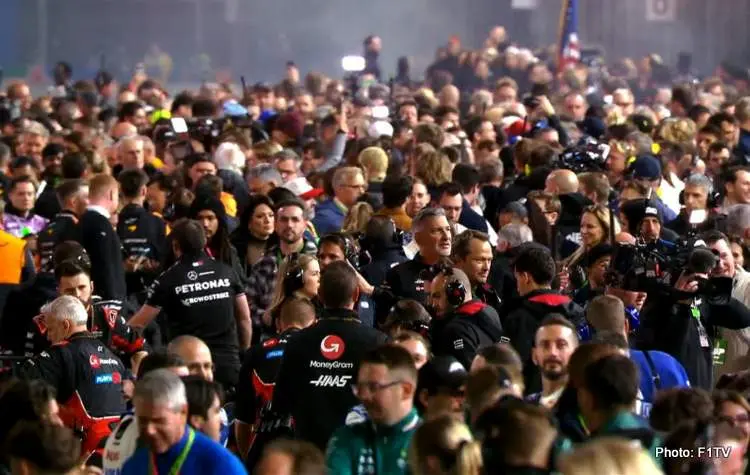
Attending a Formula 1 Grand Prix for the first time is not just another sporting event; it is a multi-sensory experience that combines speed, precision, and passion.
The unique roar of Formula 1 engines, the tension of qualifying rounds, and the electrifying atmosphere among fans create an unforgettable environment. Yet, to fully immerse oneself in this world-class event, preparation and insight make all the difference.
We understand how to elevate this experience from ordinary to exceptional — and this guide will help you approach your first Grand Prix with confidence, anticipation, and absolute enjoyment.
The Formula 1 World Championship is not merely about cars racing around circuits; it is the pinnacle of motorsport engineering and human performance. Each car represents years of innovation, aerodynamic mastery, and the relentless pursuit of marginal gains.
Every lap, pit stop, and strategy call shapes the unfolding drama on track. For first-timers, recognising the depth behind the spectacle helps transform each corner and overtake into a story of precision and competition.
Choosing the Right Grand Prix

When purchasing formula 1 tickets, one gains access not only to the race but to a curated festival of global scale — a celebration that blends sport, technology, and culture in one thrilling weekend.
Selecting the perfect Grand Prix can significantly enhance a newcomer’s experience. Each circuit has its own personality: the glamour of Monaco, the ferocity of Silverstone, the passion of Monza, or the night-time magic of Singapore.
European circuits are often steeped in history, while newer venues in the Middle East or the Americas offer futuristic designs and luxury amenities.
Climate, accessibility, and viewing opportunities vary widely between tracks. For instance, attending the British Grand Prix might involve unpredictable weather and camping traditions, while the Abu Dhabi Grand Prix offers a more polished, resort-style atmosphere.
Identifying what environment resonates with your expectations helps ensure every moment aligns with your vision of the sport.
Planning Your Grand Prix Weekend

A Formula 1 weekend unfolds over three exhilarating days — practice sessions on Friday, qualifying on Saturday, and the race on Sunday. To truly appreciate the rhythm of the event, arriving early allows time to explore the circuit, watch support races, and take in the energy building among fans.
Accommodation should be secured well in advance, as cities hosting Grand Prix events often experience peak demand. Staying near the circuit minimises travel stress, but urban centres typically offer more nightlife and entertainment.
Many attendees balance both worlds by choosing mid-range hotels within easy transport distance.
Transportation logistics are equally crucial. Circuits can be vast and often located outside city centres. Investigate shuttle services, parking passes, or public transport options before the event begins. Planning how to enter and exit efficiently can save hours of waiting — time far better spent absorbing the pre-race excitement.
Selecting the Best Seats and Viewing Points

Your choice of seating determines how you experience the action. Grandstands near the start-finish line capture the drama of race starts, pit stops, and podium celebrations.
Corners provide a closer view of driver skill and overtaking attempts, while general admission areas offer flexibility and a more immersive, ground-level perspective.
For first-timers, grandstand tickets provide structure and comfort — dedicated seating, better facilities, and often shelter from unpredictable weather. Some circuits feature giant screens allowing you to follow the entire race, while others rely on trackside commentary.
The most passionate fans often recommend a blend: exploring different zones during practice sessions before settling into a prime viewing spot for race day.
Experiencing the Atmosphere Beyond the Track

The true allure of a Grand Prix extends beyond what happens on the asphalt. Music performances, fan zones, autograph sessions, and team merchandise stalls turn the venue into a festival.
Paddock clubs and VIP lounges offer fine dining and private terraces for those seeking exclusivity, while fan areas give everyone access to simulators, interactive displays, and live interviews.
Cultural exploration is another highlight. Many races integrate local cuisine, art, and entertainment, allowing attendees to savour the host country’s personality.
Whether tasting street food near the Mexican Grand Prix or enjoying a beach party after the Australian event, the experience becomes a journey of discovery that fuses sport with lifestyle.
Understanding the Sound, Speed and Sensation

First-time visitors are often unprepared for the sheer intensity of Formula 1. The sound of engines reverberating across grandstands is visceral; the speed of the cars defies comprehension. Bringing ear protection is essential, not only for comfort but for safety.
The acceleration, deceleration, and gear changes are physical phenomena — you feel them as much as you hear them.
Witnessing a Formula 1 car in motion is to appreciate human ingenuity at its finest. The aerodynamic design, the precision of braking points, and the flawless coordination between driver and engineer all converge into a mechanical ballet.
When seen in person, it becomes evident why millions of fans around the world follow every detail of this sport with near-religious devotion.
Capturing the Perfect Moments

Photography at a Grand Prix requires both patience and timing. The sheer velocity of the cars challenges even experienced photographers.
High shutter speeds help freeze motion, but capturing emotion — the crowd reactions, pit crew intensity, or the triumph on the podium — often tells a richer story. Most circuits permit personal cameras, though professional equipment may require special accreditation.
Beyond the lens, simply pausing to absorb the atmosphere often yields the most enduring memories. The wave of cheers as the lights go out, the collective gasp at a daring overtake, or the final lap tension create sensations no photo can fully replicate.
A Grand Prix trip, while exhilarating, is also a considerable investment. From formula 1 tickets to travel, food, and accommodation, every decision shapes your overall experience. Prioritising comfort and convenience allows you to focus on what truly matters — the racing.
Making the Most of Your Investment

Bringing weather-appropriate clothing, staying hydrated, and maintaining flexibility in plans ensures you can adapt to changing conditions without stress.
Equally, immersing yourself in the community elevates the experience. Conversations with lifelong fans, team supporters, and first-timers alike create a sense of shared passion. Formula 1 has a unique way of uniting people from across the globe under the same thrill of competition.
Your first Grand Prix is far more than an introduction to motorsport — it is an initiation into a culture built on precision, innovation, and emotion.
With thoughtful planning, the right mindset, and an openness to the spectacle, every sound and sight becomes part of an unforgettable memory. The anticipation as engines ignite, the intensity of the race itself, and the celebration of victory combine to deliver one of the most electrifying experiences in sport.
Latest News

Loading