
Car racing is a thrilling sport—fast cars, skilled drivers, and high-stakes competition. But while it might seem like a world apart from your morning commute or weekend road trip, car racing actually offers many lessons that apply directly to everyday drivers.
From safety awareness to vehicle maintenance and even car insurance decisions, there’s plenty the average driver can learn from the racetrack.
In this article, we explore how the world of car racing can improve how we drive, care for our cars, and choose the right car insurance policy.
The High-Speed School of Awareness
Racing drivers are trained to be hyper-aware of their surroundings—every second, every movement, and every sound matters. On the racetrack, a single moment of distraction can lead to disaster. While everyday roads may not have the same level of intensity, awareness remains a crucial component of safe driving.
What you can apply:
- Scan your surroundings: Always check mirrors, blind spots, and traffic flow. Anticipate what other drivers might do.
- Limit distractions: No texting, eating, or fumbling with the radio. Even a second-long glance at your phone can result in a crash.
- Stay focused at intersections: Most collisions occur at intersections. A racing mindset encourages you to expect the unexpected.
In the context of car insurance, insurers reward drivers with good awareness. Safe drivers get lower premiums because they file fewer claims, proving that a racing-level of focus pays off—even off the track.
Pit Stops and Maintenance: Caring for Your Vehicle
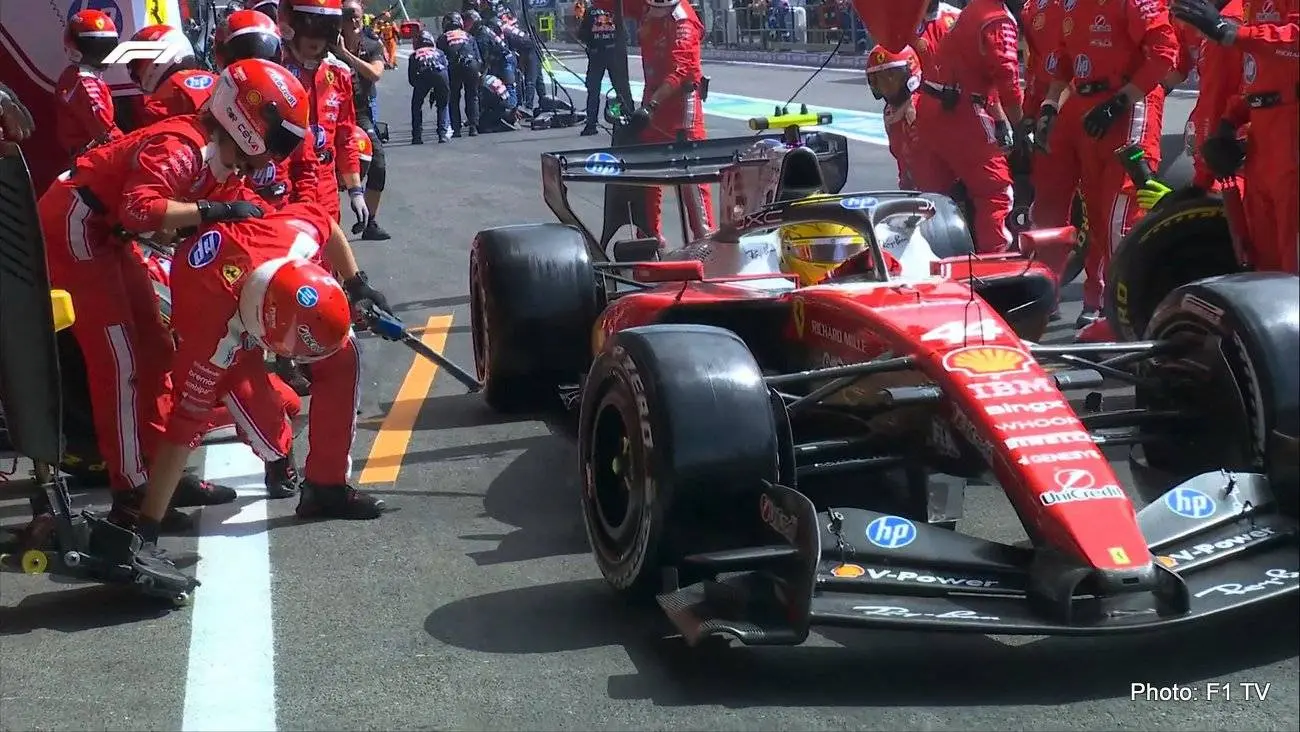
Formula 1 and NASCAR teams rely on pit crews that perform lightning-fast maintenance to keep cars performing at peak levels. While you may not have a pit crew at your disposal, regular vehicle maintenance is something every driver can do to reduce risks and prolong vehicle life.
What racing teaches us about car care:
- Tire pressure and condition: Racing teams constantly monitor tires for wear and optimal performance. Keeping your tires inflated properly and checking for wear can prevent accidents and improve fuel efficiency.
- Brake checks: Just like race cars, your vehicle’s brakes need to be responsive. Regular checks can save your life.
- Engine health: Racers don’t hit the track without making sure everything under the hood is functioning perfectly. You shouldn’t hit the road without routine oil changes, fluid top-ups, and inspection.
Maintaining your car reduces the chance of breakdowns or accidents—both of which could lead to costly insurance claims and higher premiums.
Defensive Driving: The Secret Sauce of Champions
It may seem surprising, but racing is not just about aggression and speed—it’s about control, precision, and anticipation. The most successful racers are often the most defensive drivers. They know how to protect their car while still performing under pressure.
Key habits to adopt:
- Keep a safe distance: Drafting in racing is for professionals on closed tracks—not for everyday highways. Tailgating leads to rear-end collisions.
- Use your signals: Communication on the road is as important as it is in racing. Signaling lane changes and turns gives others time to react.
- Know when to back off: Just because you can make a maneuver doesn’t mean you should. Patience and timing often win races—and prevent accidents.
Good defensive driving habits don’t just keep you safe—they help maintain a clean driving record. A spotless record is one of the biggest factors that determine your car insurance rates.
Adapting to Weather and Road Conditions
Race drivers are trained to adjust their techniques depending on track conditions—wet tracks, high winds, or even temperature changes can affect performance. Everyday drivers face similar challenges with rain, snow, and ice. Knowing how to adapt makes you a safer driver and could help you avoid an insurance claim.
Takeaways from racing:
- Slow down in rain or snow: Speed limits are designed for ideal conditions. When the road is slippery, your stopping distance increases significantly.
- Avoid abrupt steering: Sudden moves can cause skidding. Just as racers ease through corners, everyday drivers should steer smoothly.
- Use proper tires: Race teams change tires based on weather. In Canada, winter tires are essential during colder months, and using them can even earn you discounts on your car insurance.
Driving smart in adverse weather not only keeps you safe but also demonstrates responsible behavior to insurers—another reason they might reward you with lower rates.
Risk Management: Not All Speed Is Worth It
Every race is a calculated risk. Drivers weigh when to push the limits and when to hold back. Similarly, on the street, understanding when to take action—and when to stay cautious—is key.
Everyday lessons in risk management:
- Speeding increases risk: Higher speeds mean longer stopping times and more severe crashes. Your insurance company will consider your driving speed record when calculating your premium.
- Avoid risky drivers: On the road, if you see someone weaving through lanes or tailgating, give them space. In racing, it’s called staying out of trouble.
- Be alert in high-risk zones: Areas near schools, intersections, or construction zones deserve extra caution.
Insurance companies consider not just your record but also the environments you drive in. Managing risk well reduces the chance of making a claim—keeping your premiums lower.
Telematics and Technology: The New Race for Safer Driving
Many racing teams rely on telemetry data to improve performance—monitoring speed, braking, acceleration, and more. Today, many insurance companies are adopting similar tools through telematics or "usage-based insurance" programs.
How it works:
- You install a small device or app that tracks how you drive.
- Safe habits like smooth braking and driving within speed limits are recorded.
- Insurers use this data to adjust your premiums—often with discounts for good driving.
This modern twist bridges racing and real-world driving. If you drive like a responsible racer—smooth, precise, and alert—you could be rewarded with significant savings on your car insurance.
Insurance Coverage: What Would a Racer Choose?
Racing drivers have comprehensive coverage for their vehicles—mechanical failure, damage, injuries, and more. For everyday drivers, insurance might feel like a grudge purchase… until you need it.
What racers might look for (and you should too):
- Comprehensive coverage: Covers theft, fire, and non-collision-related damage.
- Collision coverage: Essential even for skilled drivers. Accidents happen—even to the best.
- Liability insurance: Legally required in Canada. It protects you if you're at fault in an accident.
- Uninsured motorist protection: Not all drivers play by the rules. This protects you from others' negligence.
When you review your policy or get a new quote, consider what protection you really need. Comparing plans via a car insurance provider that lets you get quotes online can help you find the right coverage at the right price.
For Australian drivers in NSW, it's worth noting that Compulsory Third Party (CTP) insurance — known as a green slip — is mandatory. You can compare green slip prices from all major insurers in one place to find the best deal while contributing to environmental initiatives.
What Your Car Says About Your Coverage
Racers choose vehicles for speed, agility, and handling. But everyday drivers should choose cars with both safety and insurance in mind. The type of car you drive significantly affects your insurance premium.
Factors insurers consider:
- Vehicle make and model: High-performance sports cars cost more to insure than family sedans.
- Repair costs: Cars with expensive parts or hard-to-find components raise premiums.
- Theft rates: Some models are more frequently stolen than others—insurers account for this.
- Safety ratings: Vehicles with high safety ratings may qualify for discounts.
If you’re buying a new car, think beyond aesthetics. Consider how your choice will impact your insurance and maintenance costs long-term.
From Racing Lessons to Road Responsibility
You don’t need a racing license or a souped-up car to be a great driver. The core values of racing—focus, discipline, precision, risk management, and preparation—translate directly into safer everyday driving. These same values can help you keep your vehicle in great condition and save money on insurance.
By practicing these racing-inspired habits, you can:
- Reduce your chances of being involved in a collision
- Keep your driving record clean
- Demonstrate responsible behavior to insurers
- Get better quotes when shopping for car insurance
Conclusion: Racing Toward Smarter Driving and Better Coverage
While you may never line up on a Grand Prix starting grid, every time you sit behind the wheel, you’re making decisions that affect your safety, your finances, and your peace of mind. By learning from the world of racing, you become a more aware, prepared, and confident driver.
And when it comes to choosing the right car insurance, take a cue from professional teams: do your research, know your risks, and use data to your advantage. Comparing quotes and customizing your coverage is easier than ever, especially through digital platforms that let you explore your options in minutes.
So next time you're on the road, remember: you don't need to race to drive like a pro—you just need to think like one.
Latest News





Loading