Have you ever watched a race, heart pounding as cars zoom by at dizzying speeds, and thought, "How on earth is this even allowed to happen without someone getting hurt?"
Well, buckle up, because motorsport isn’t just about daring drivers and roaring engines - it’s also a masterclass in safety on steroids. From the barriers to the driver’s helmet, everything is designed to create thrilling races while keeping people safe.
Now, before we hit top speed on this topic, let me assure you, that motorsport events are safer than they look. Still, sometimes, accidents happen. And, in rare cases, they might even rev up the need for legal advice. (More on that later!)
For now, let's shift gears and take a closer look at the essential safety measures that protect drivers, fans, and everyone around the track.
The Basics of Motorsports Safety

Safety in motorsports is the full-package deal. Think of it as a three-layer cake with protections for drivers, vehicles, and the environment. Each layer ensures that risks are reduced to the thinnest possible margin - because while everyone loves a good race, nobody wants it ending in tears.
1. For the Drivers - Gear That Saves Lives
If you’ve seen racing drivers in their getups and thought, “That’s a bold fashion statement,” the reality is even cooler - they're literally wearing lifesaving armor.
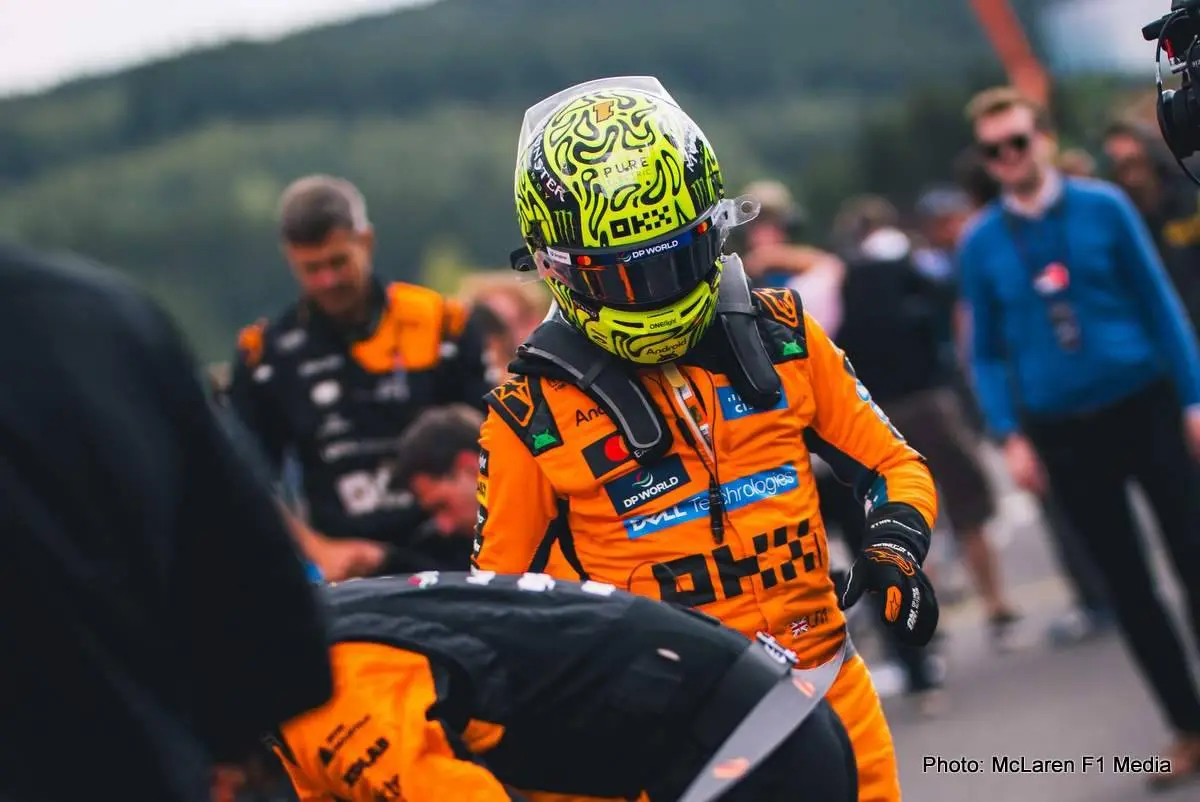
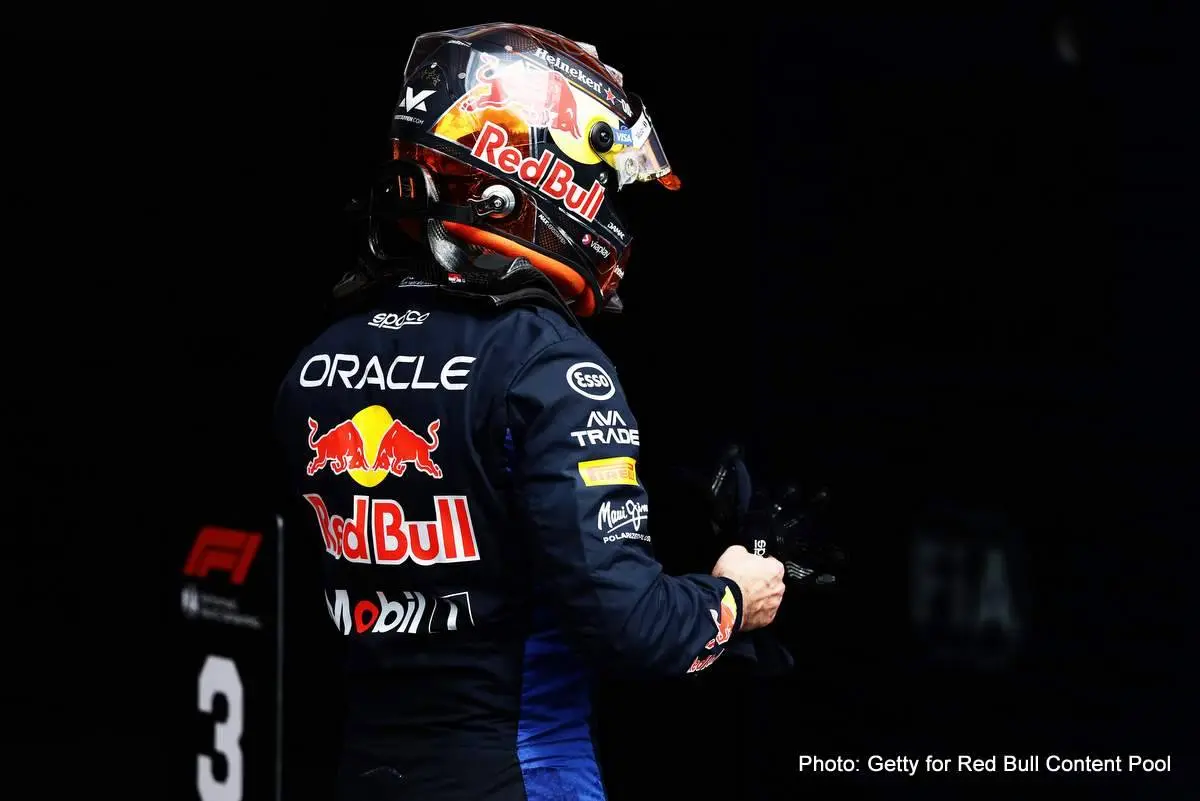
- Helmets: These are more than just head coverings. They're meticulously engineered to protect against high-speed impacts. With aerodynamic shapes, fire-resistant materials, and communication tech installed, these helmets mean business - no cutting corners here.
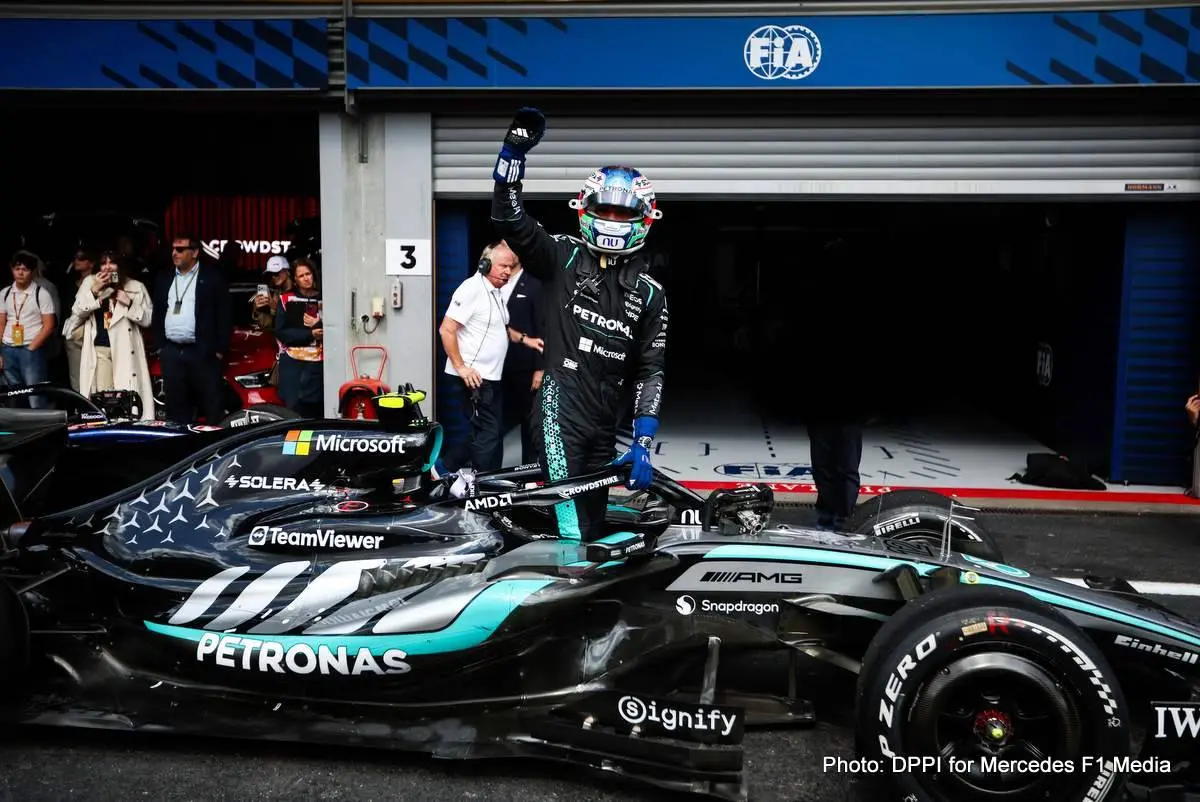
- Fireproof Suits: They might look stylish, but that’s not their main job. These bad boys are designed to withstand raging temperatures. Because, frankly, nobody wants to be cooked alive at 200 mph.
- HANS Devices (Head and Neck Support) are perhaps the unsung heroes. They hold the racers’ necks in place during heavy braking and unfortunate impacts, reducing life-threatening injuries.
When I attended my first live race, I naively thought the gear was just “cool branding.” Turns out, it’s the difference between walking out of a crash or not walking at all.
2. The Cars - Built Like Tanks

Surprise! Racers don’t ride around in glorified Go-Karts. The cars themselves are safety marvels wrapped in aerodynamic designs.
- Roll Cages are the backbone: These frames protect the driver if the car flips or, heaven forbid, impacts another vehicle.
- Fire Suppression Systems: The moment heat levels spike beyond normal, these systems douse any flames, keeping drivers safe. It’s like your car saying, “Not today, fire.”
- Seat Belts and Harnesses: These prevent drivers from becoming crash test dummies. They hold the racer snugly inside the car, even during the wildest of skids.
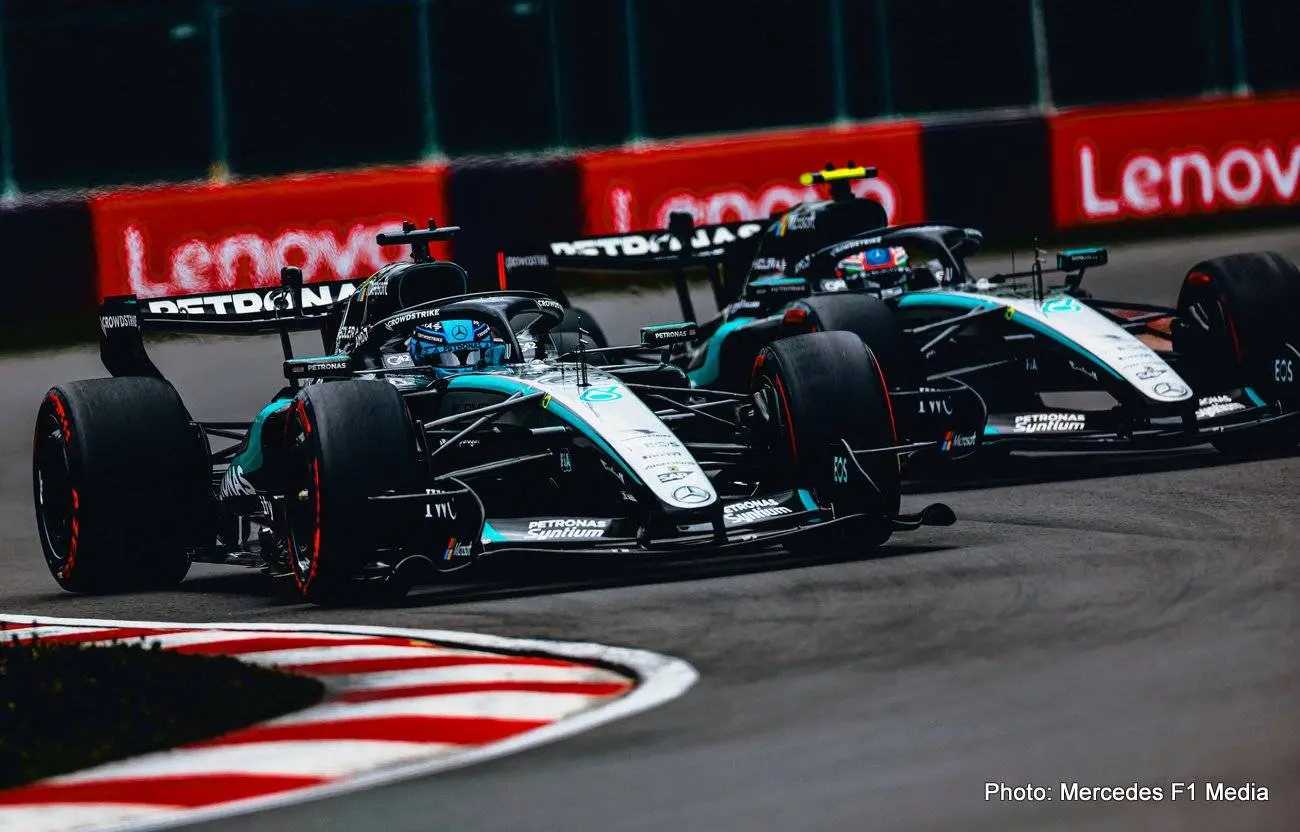
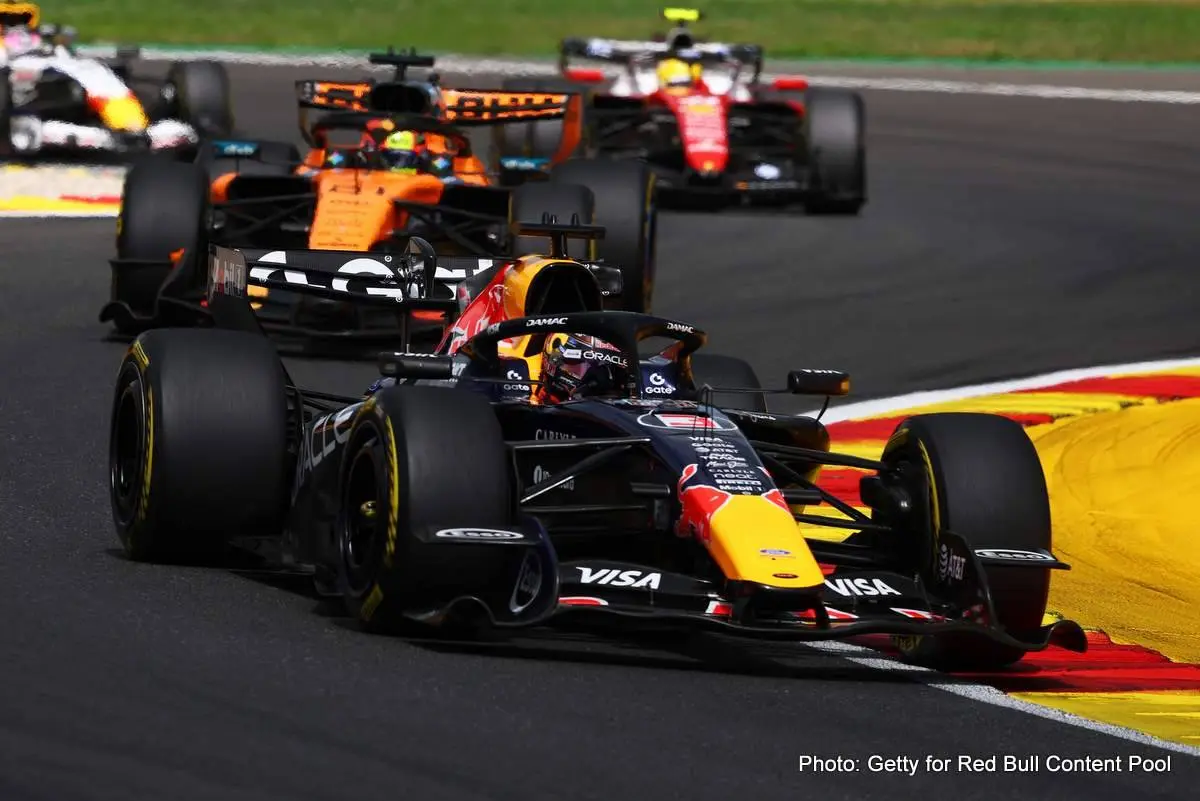
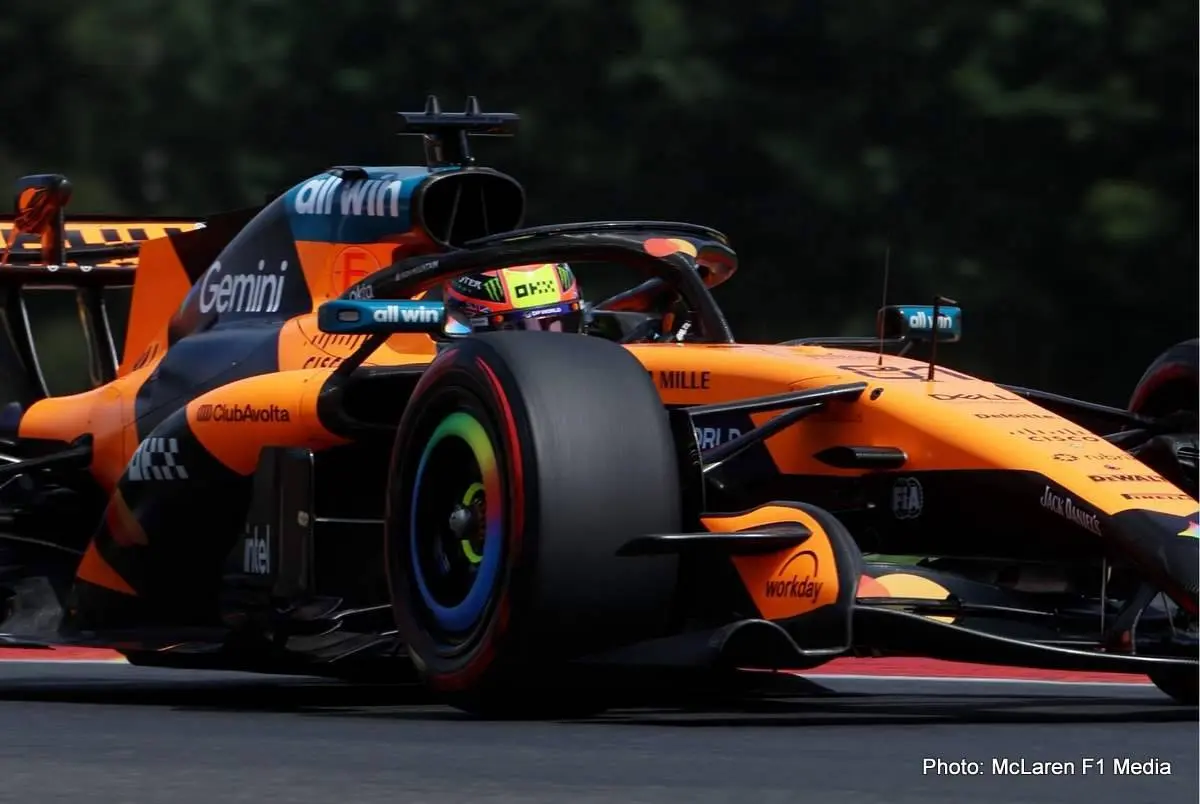
Seeing Formula 1 cars in person reinforces how much engineering genius goes into making machines fast and safe. And if you think NASCAR racers don’t rely on similar tech, you’re as wrong as someone using “break” instead of “brake.”
3. The Track - Safety Zones Galore

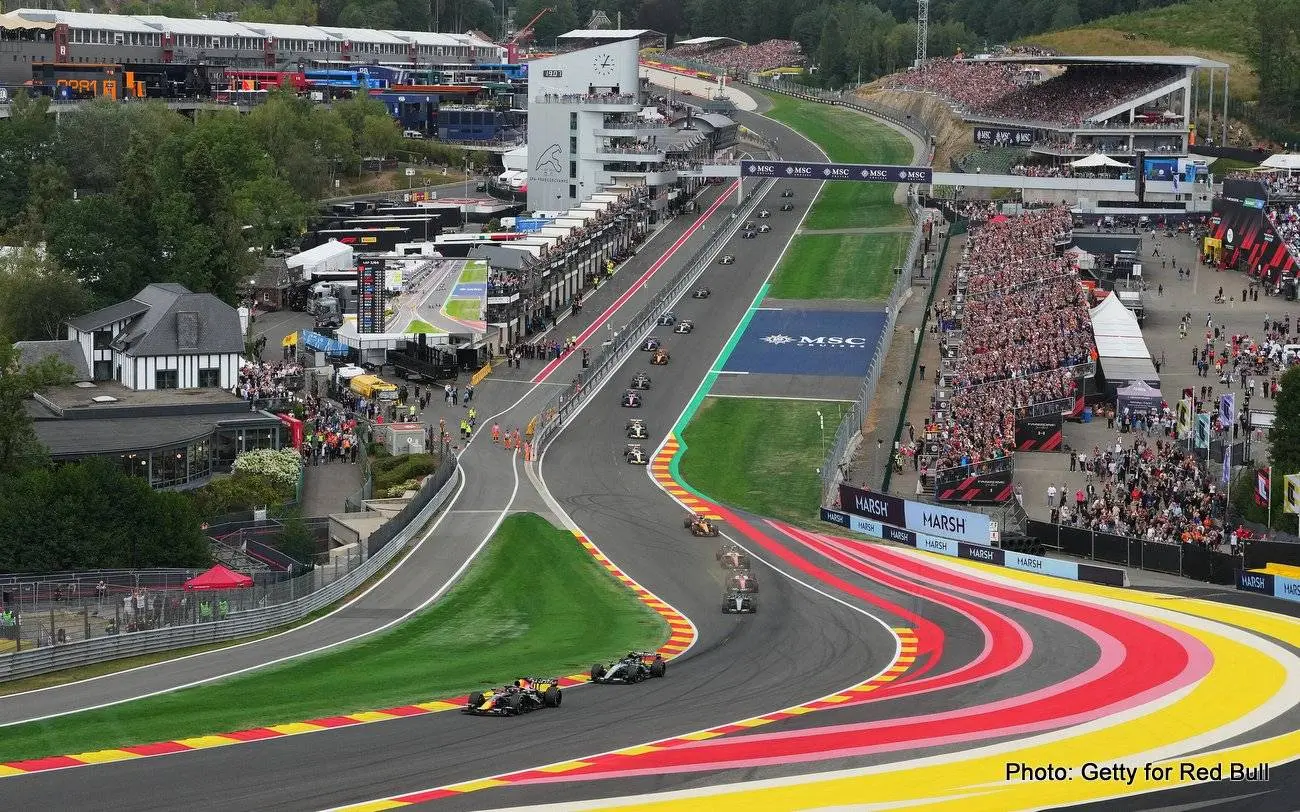
Now onto the stage itself - the racetrack. Did you think it’s just asphalt and some curves? Oh no, my friend, it’s a safety spectacle.
- Barriers: These ensure high-speed crashes don’t end with life-threatening consequences. They are specially designed to absorb energy. Think of them as the racetrack equivalent of a parent catching a falling toddler.
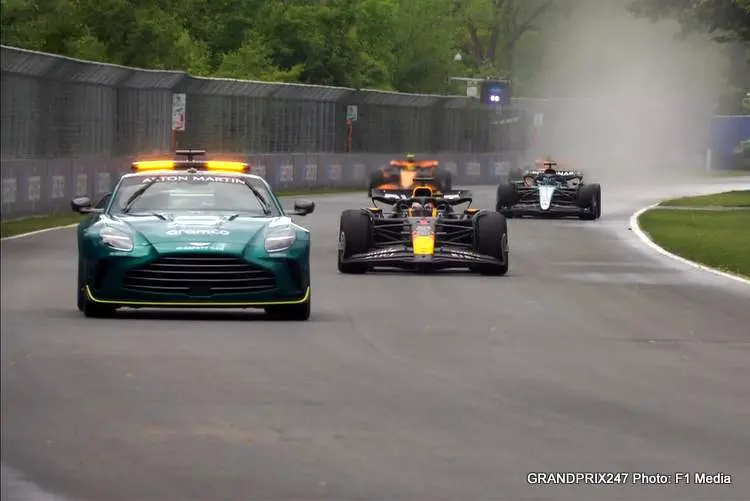
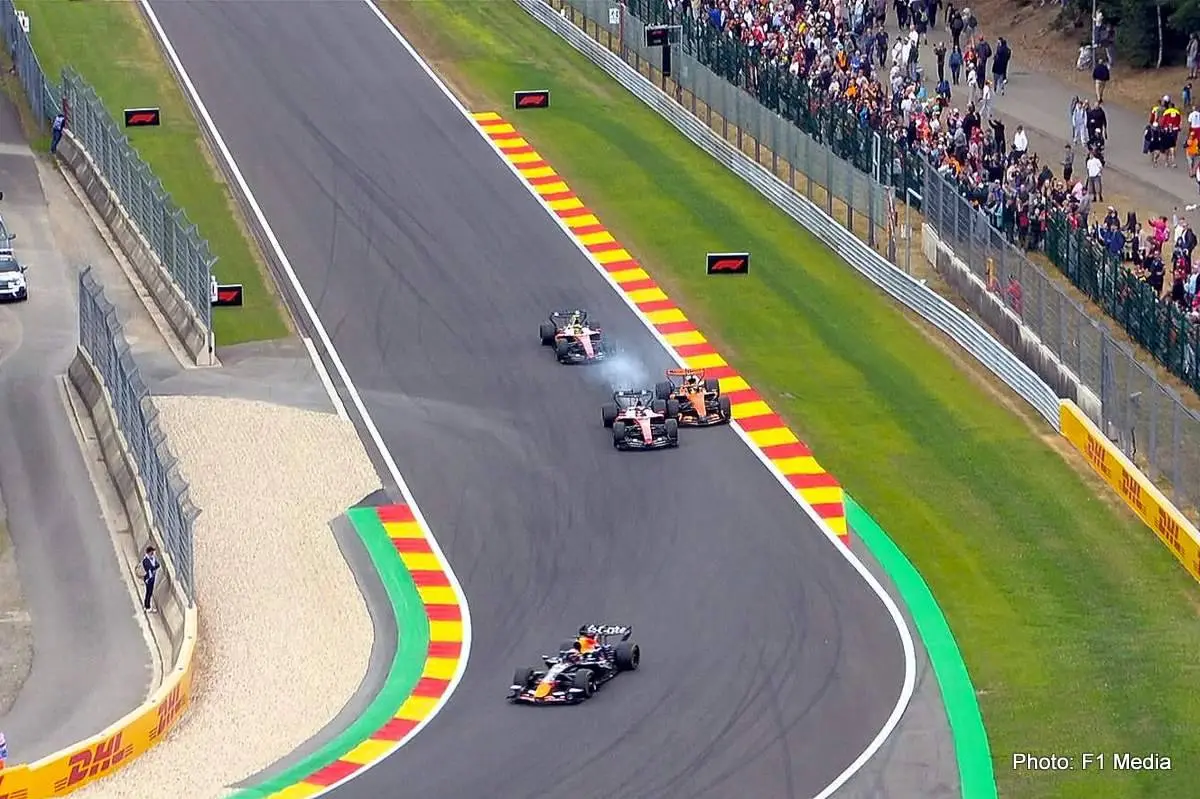
- Runoff Areas: These are wide-open zones designed to give runaway cars space to decelerate without smashing into something unforgiving. Grass and gravel traps often play a big role here.
- Onsite Medical Teams (aka lifesavers): They stand ready to swoop in at a moment’s notice. Their response times are faster than when you shout “Help!”
I once stood at a track near Turn 4, fingers crossed for no crashes. But even when a spinout happened, the safety team had it handled before I could say “chequered flag.”
Legal Considerations Amid the Thrills
Despite all the precautions, incidents can happen - this is motorsport, after all.

Whether it’s a multi-car crash or an accident involving a stray car part, the aftermath often involves legal consequences.
That’s where a lawyer for personal injury comes into play. Their expertise can help drivers, crew members, or spectators seek the support they deserve, whether for medical compensation or damage claims. After all, safety nets can only stretch so far.
Wrapping Up
While motorsport remains inherently risky, there’s no disputing that it’s getting safer by the day. From futuristic tech to suit upgrades (did I mention they’re now embedding cooling systems?), safety is a well-oiled machine.
So, the next time you tune into a race, savor every thrilling turn and daring overtake, but remember, it’s the unsung heroes - the safety gear, the techies, the lawyers, and the pit crews - that keep this heart-stopping spectacle alive and well.
Latest News

Loading