What 2025's Biggest Racetrack Surprises Tell Us About F1 Next Year
F1 NewsFriday, 05 December 2025 at 23:39
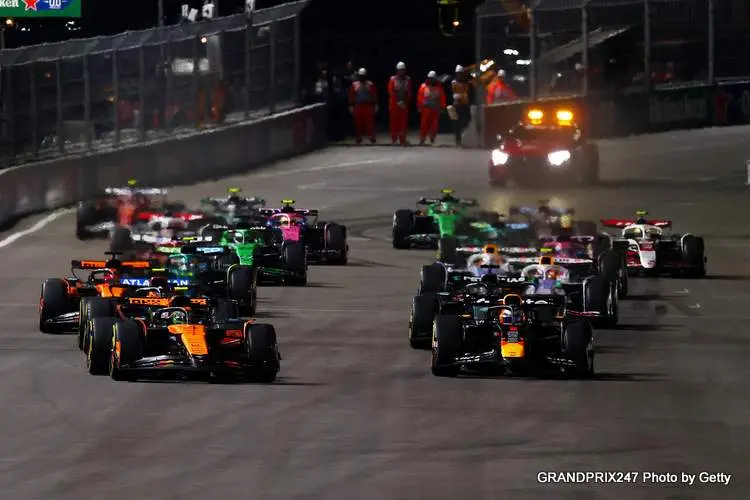
Formula 1 racing is heading into its final event at the Abu Dhabi Grand Prix on December 7th with plenty of high-stakes drama.
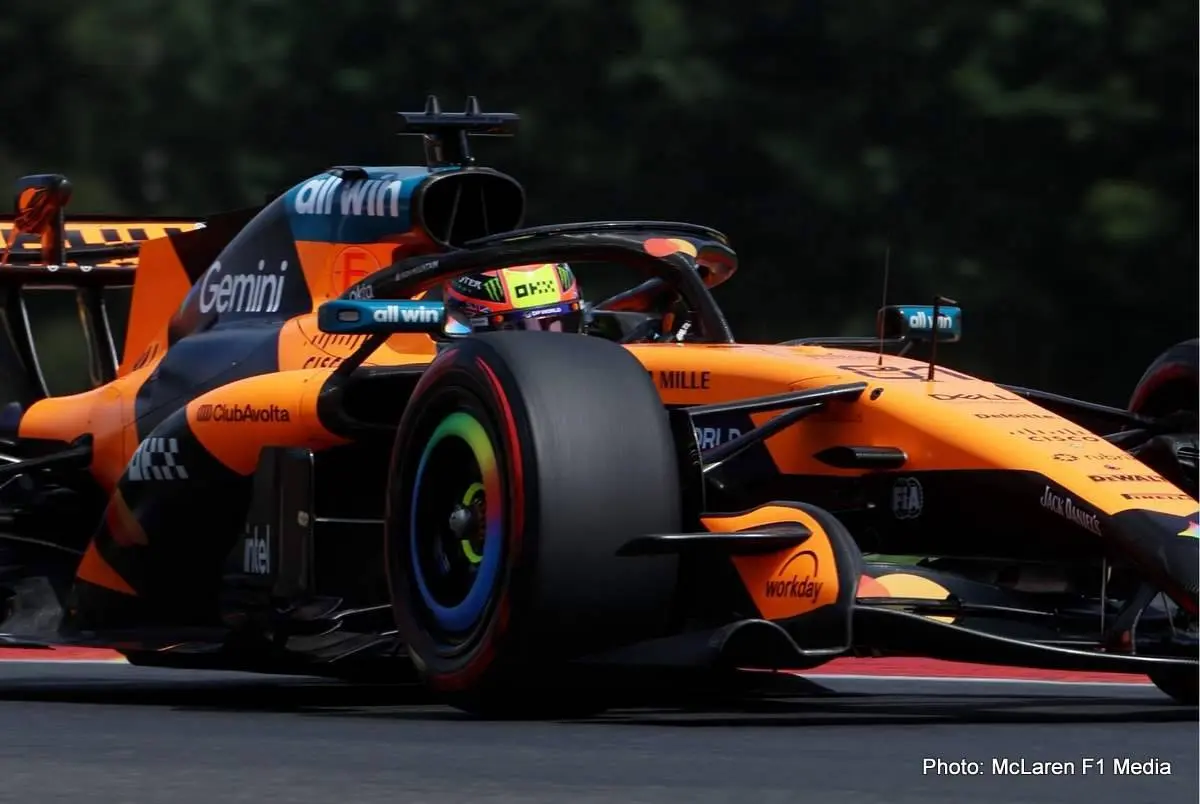
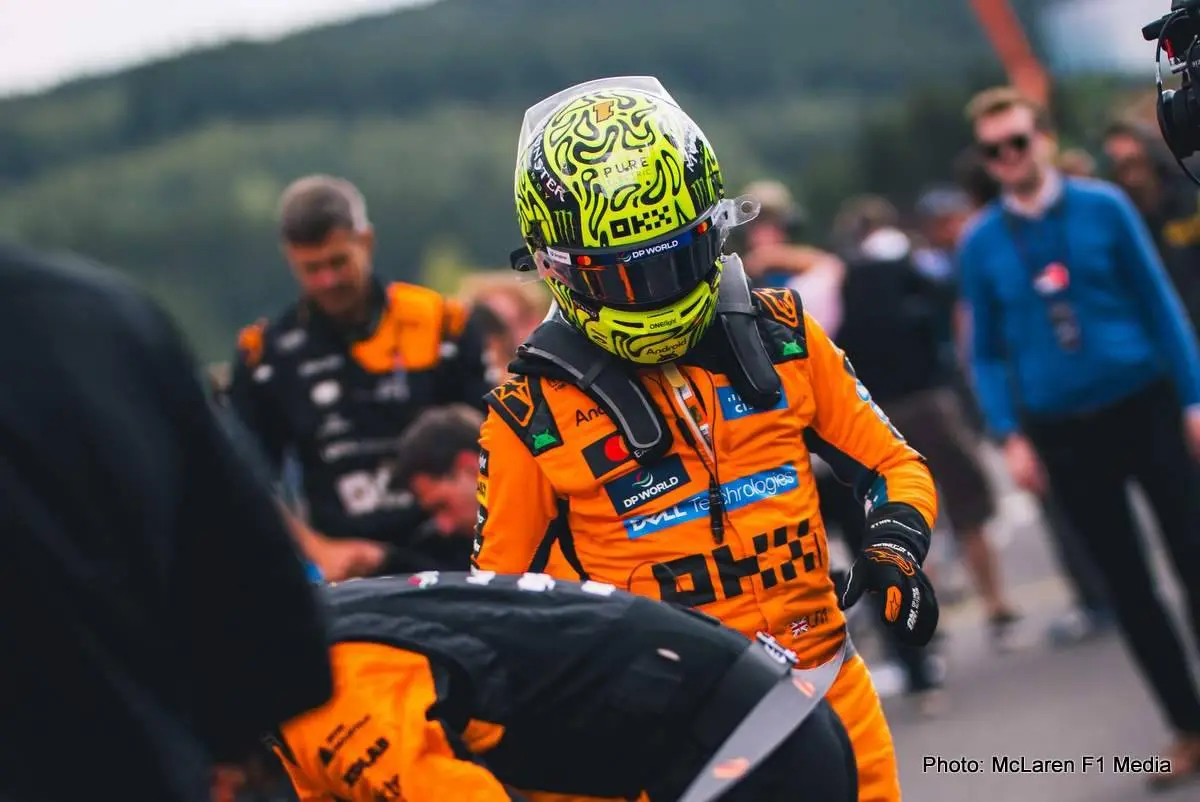
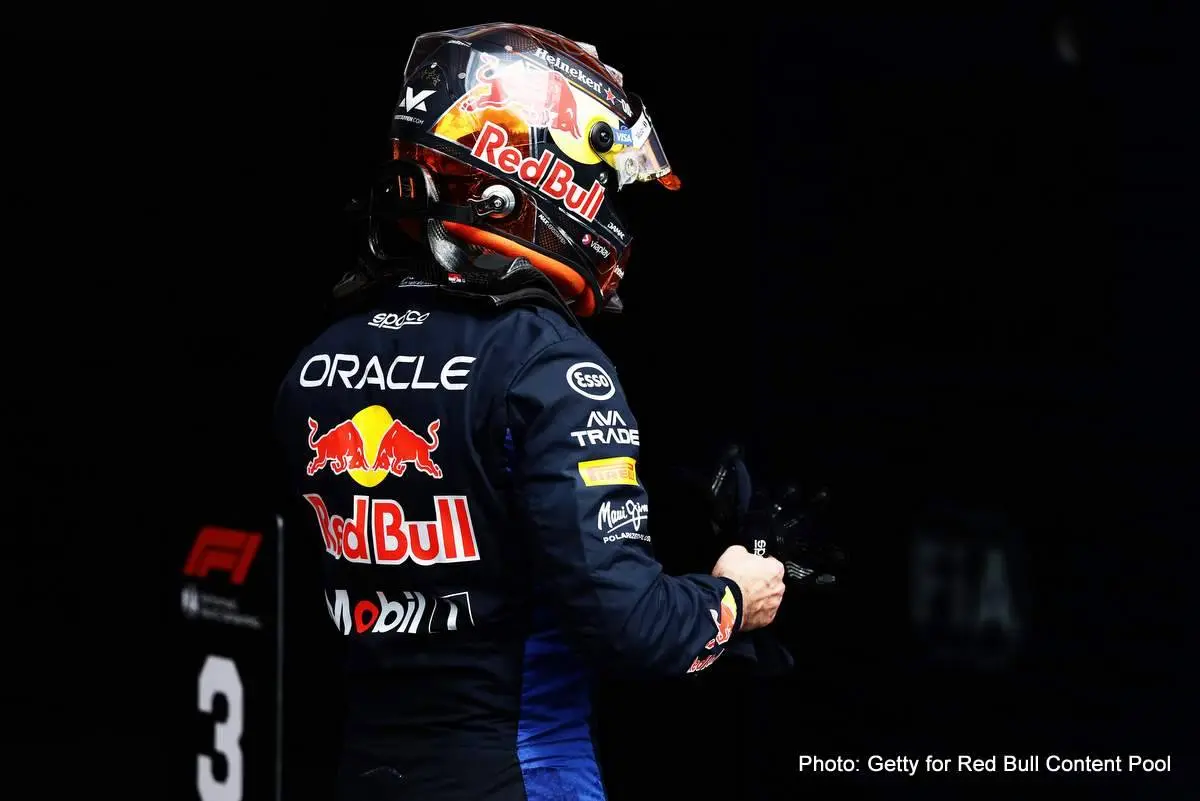
Max Verstappen has recorded back-to-back wins for Red Bull Racing in Las Vegas and Qatar, pulling within 12 points of McLaren F1’s Lando Norris to win the 2025 FIA Formula One World Championship.
The top of the leaderboard is only separated by 18 points, as Norris’ teammate, Oscar Piastri, sits four points behind Verstappen in third place. Leading up to a thrilling finish at Yas Marina Circuit in Abu Dhabi, let’s look at some of the biggest racetrack surprises that occurred in 2025 to see if we can project these results into F1 predictions for 2026.
For sports bettors looking to gain an edge or learn more about motorsports betting, it’s clearly covered here. Sign up with these corresponding promo codes to unlock thousands in potential bonus bet rewards through several lucrative welcome offers. 2026 marks some big changes coming to F1 racing. This includes smaller and lighter car frames and tires.
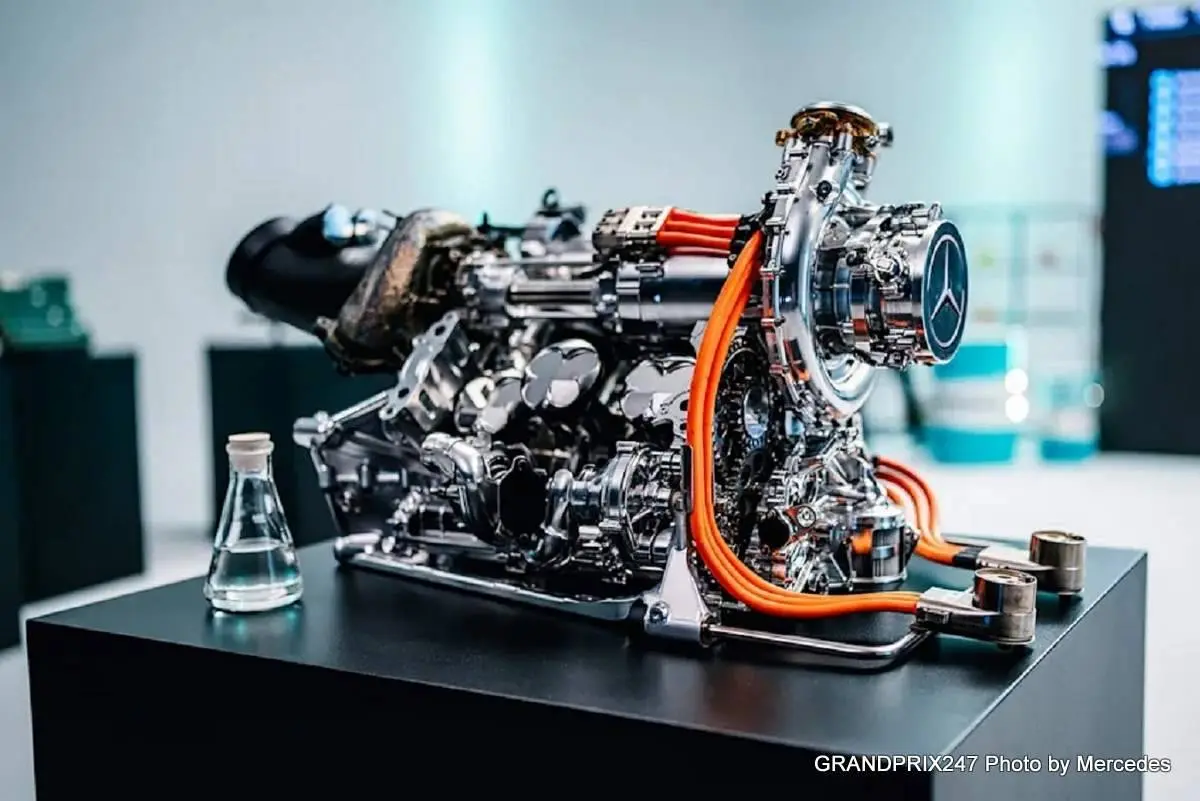
Engines will no longer operate on the current Drag Reduction System (DRS) system, moving to a split between internal combustion and electric. These new aerodynamic features will account for front and rear wings tailored for different conditions, while emphasizing fuel sustainability and a big increase in each car’s electrical power system.
Three different racetracks yielded surprise finishes and results in 2025. These circuits include Albert Park Circuit in Australia, Circuit de Spa-Francorchamps in Belgium, and Singapore’s Marina Bay Street Circuit.
Australia’s Albert Park Circuit in Melbourne offers a variety of challenges for drivers to overcome. Namely, its low grip surface and fast layout have tended to produce chaos via crashes and retirements near the end of the 58-lap racetrack.
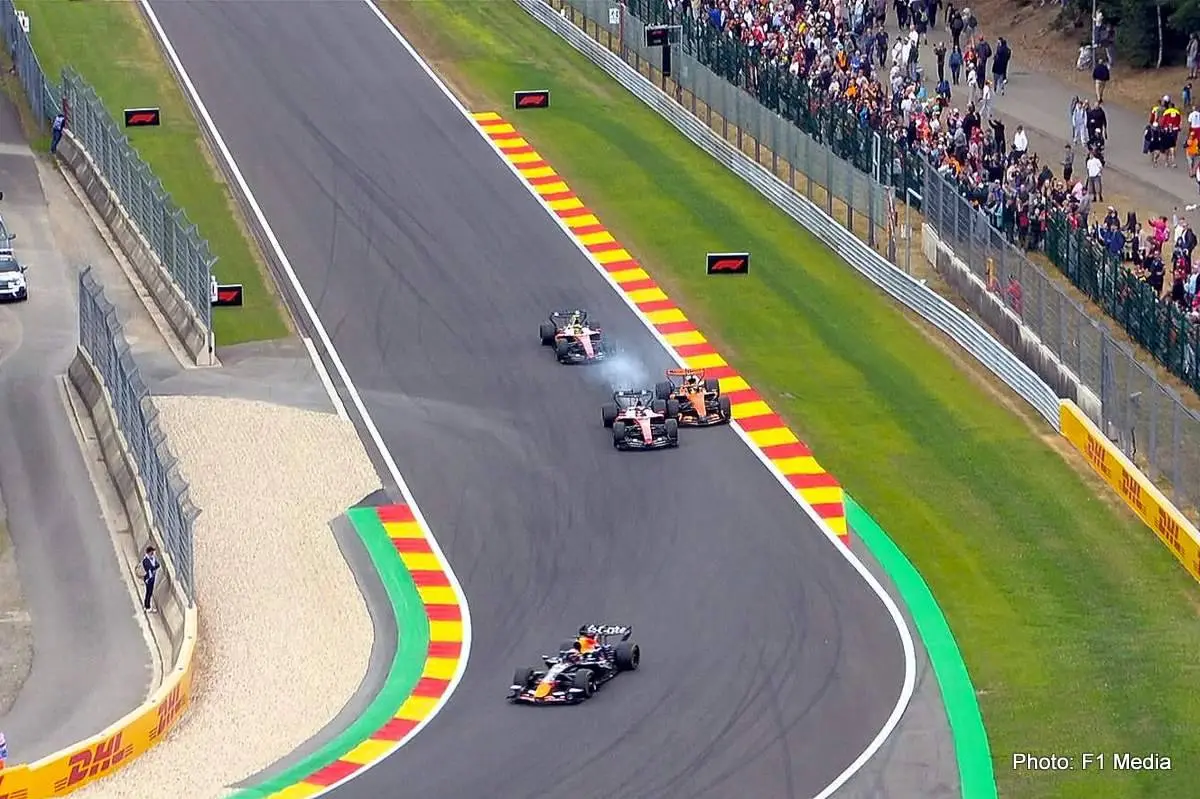
Circuit de Spa-Francorchamps is the original site for the first world championship Grand Prix held in 1950. This Belgian racetrack was the longest circuit in 2025, spanning the Ardennes forest, leading to unpredictable weather patterns.
F1 car and engine modifications in 2026 could make Circuit de Spa-Francorchamps an even more unpredictable Grand Prix event. Attention to aerodynamic engineering of the body could alter the outcome for drivers who quickly adapt to these changes next year.
China’s Marina Bay Street Circuit in Singapore is the third racetrack that tends to yield surprise results. It’s due to the constantly shifting surfaces and over 20 corners, plus being behind the wheel at night in a massive city with different lighting scales.
The Singapore Grand Prix challenges drivers due to the sheer amount of stress it places on drivers’ mental and physical well-being. The upcoming move to more electric power and a lighter frame could yield even more unpredictable finishes at one of Formula 1’s most iconic but difficult racetracks in 2026.
F1 finds itself on the precipice of massive regulatory changes. It’s going to completely revolutionize the sport, while these three racetracks will continue to be a tough battleground to win, allowing longshot drivers to pull off a big upset with this new racing technology.
Latest News
Loading