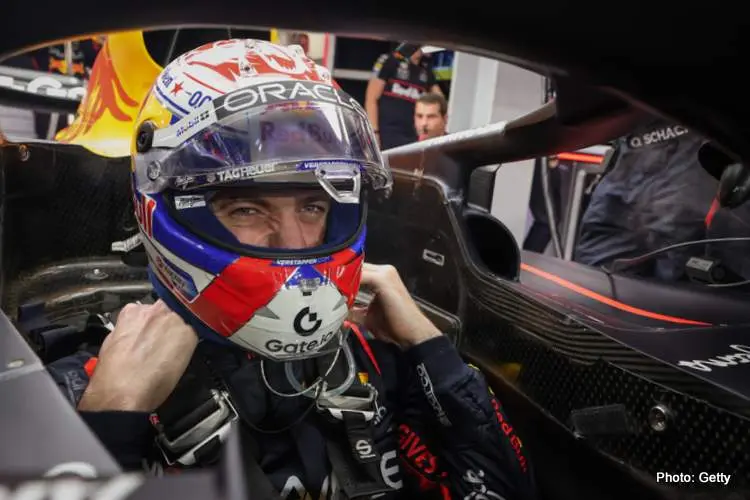
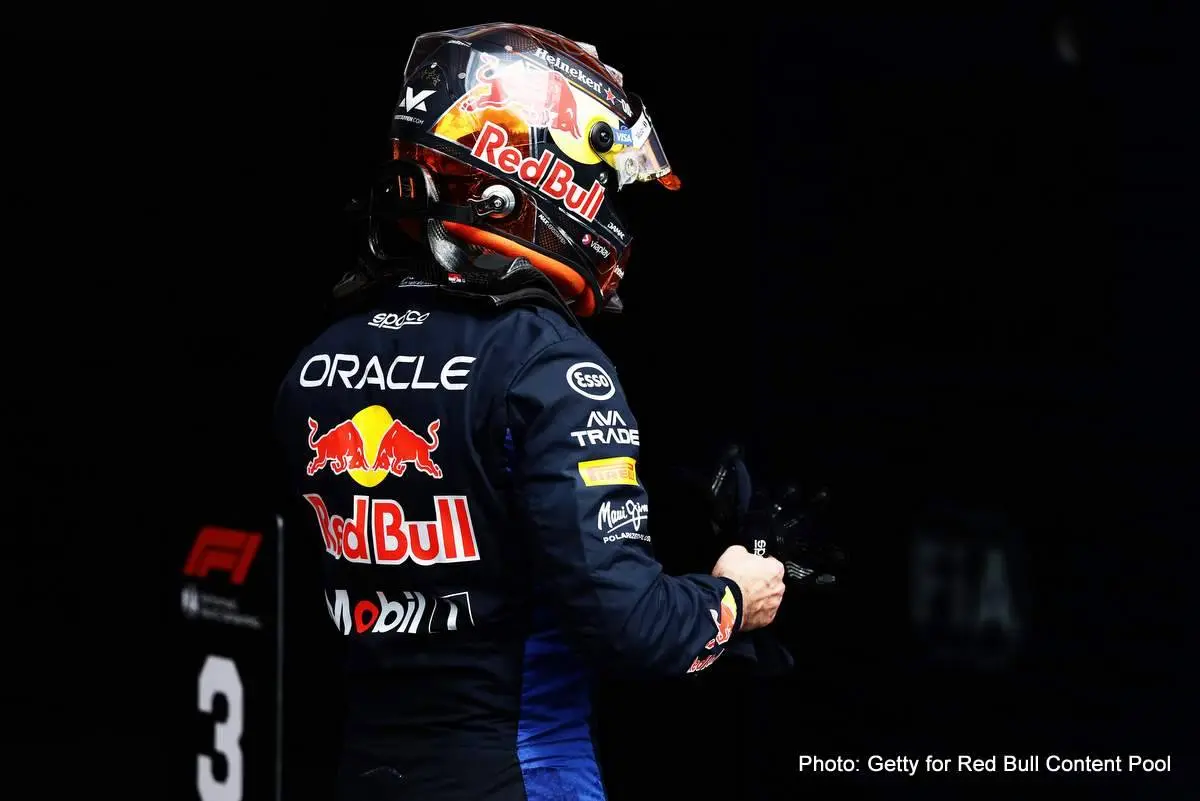
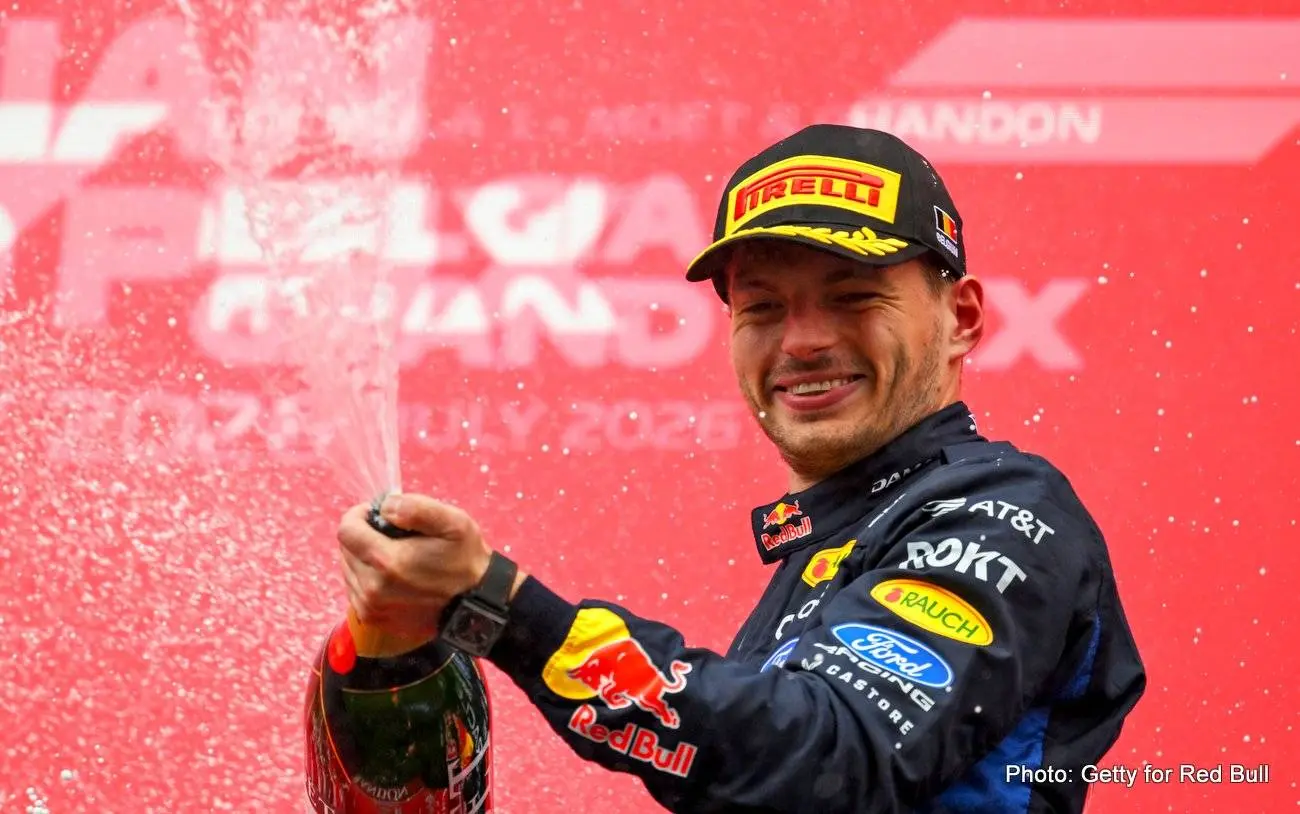
Jacques Villeneuve described Max Verstappen as "the Cristiano Ronaldo” of Formula 1, pointing out that the reigning World Champion is one of the few drivers capable of elevating a team on his own.
Speaking to Vision4Sport, Montoya believes Verstappen’s value lies in his racecraft and work ethic, not branding or social media presence. And, like Portuguese football legend - Ronaldo - can change the fortunes of a team.
Villeneuve said: “Max Verstappen can ask whatever he wants and whatever he asks, he’s worth it. Any team that gets him will do well. He's a Cristiano Ronaldo. He's one of them. At the very top. The best of the best. He actually makes the difference in a team.”
He added that Verstappen’s strength is built on substance, not style: “His value... has nothing to do with image, not because of his Instagram. So, it's real, it's value that stays. It is solid.”
On rumours of Verstappen taking a sabbatical, Villeneuve sees it as plausible but not likely: “You never see him down, he's never tired. As long as he's passionate, he'll keep on driving. You don’t see him being passionate about anything else.”
Aston Martin and Newey would offer Verstappen the freedom he needs

He suggested Verstappen’s contract may include an exit clause if team performance drops: “He has a contract in theory until 2028. But if there is a clause he can use, that is a clean break for him. That would explain why they changed their number two driver so quickly.”
Villeneuve believes that any team looking to sign Verstappen must allow him the same level of technical involvement he currently enjoys at Red Bull: “It is not just which team you go to, it is which team will allow Max Verstappen to keep working the way he does with the engineers. If you can't create that synergy, you can't get to your top level.”
Drawing on his own experience, Villeneuve highlighted the value of driver-engineer collaboration: “When I was racing in Williams, there was total freedom. It was the same thing at BAR... The minute I got to Sauber, I was told, ‘Shut up and drive.’ That just doesn't work.”
He said Aston Martin would likely be a natural destination: “Aston Martin probably would let Max work closely with the engineers, also because Adrian Newey knows how Max works.”
Verstappen’s natural feel for the car sets him apart

According to Villeneuve, Verstappen’s standout quality is his ability to understand the car instinctively, without relying solely on data: “Most modern drivers come, they sit down, they look at the data... instead of imagining what the car is doing and why you have those issues. Right now, Max is a step above everyone. He is very focused, and very complete, he is hungry and he is very strong mentally.”
He explained how Verstappen's mechanical intuition separates him from others: “He can imagine what is happening mechanically with the car while he's driving. That is hard in a car. It is about feeling.”
Villeneuve added that most young drivers are raised on data, not feel: “Drivers are not taught about that because already, even in Karting and in Formula 4, they have full-on data, they are looking at videos and being told what to do and then when they get to F1, they have no clue.”
The Canadian 54-year-old was dismissive of Yuki Tsunoda’s ability to contribute meaningfully to Red Bull’s development: “Yuki Tsunoda is doing better than Liam Lawson, but I don’t expect him to actually help develop the car. It's just a different mindset, and I don't think he's at that level.”
Tsunoda not at the level to support Red Bull’s ambitions

He said Verstappen is left to carry the development burden alone: “Max Verstappen cannot share the workload. That’s not him. You could see that with the setups that were used in Suzuka. One went the safe route and that ended up being a mistake. The other went with maximising what he had by doing a certain thing, and it worked out.”
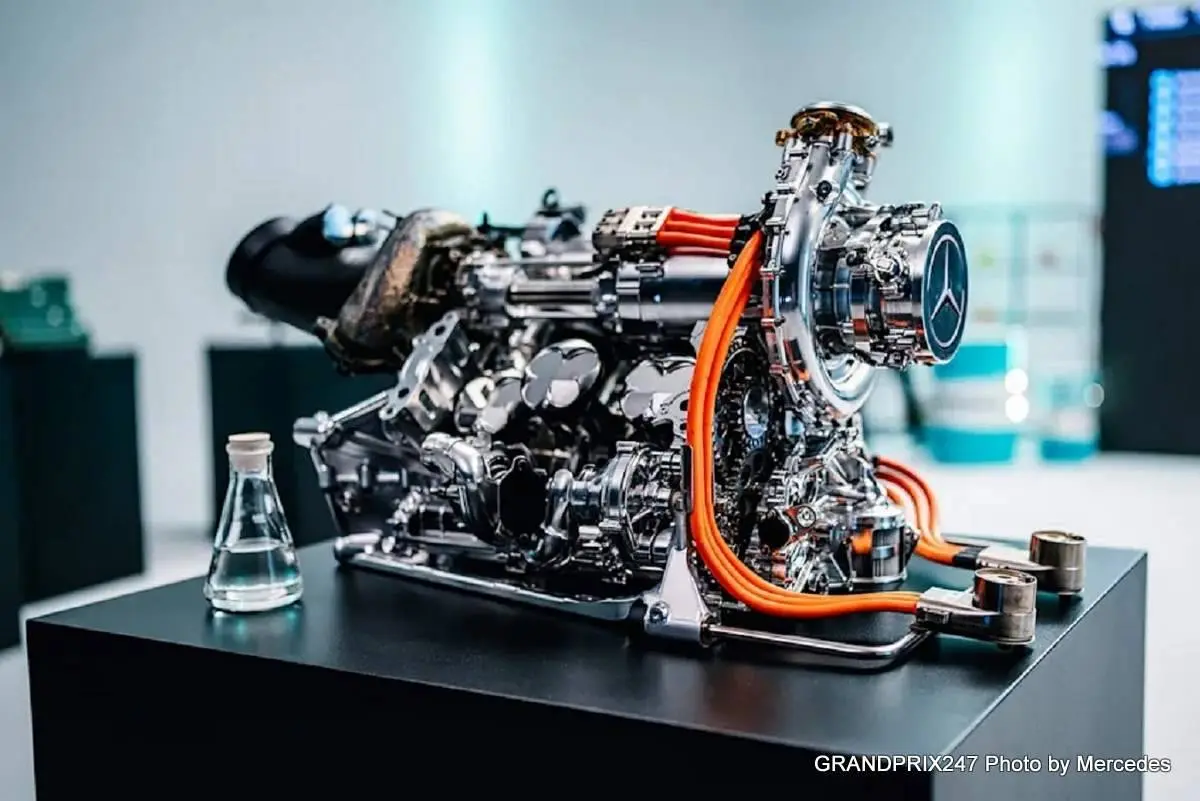
Looking ahead to the sweeping regulation changes in 2026, Villeneuve warned of a major reset that could lead to large gaps between engine manufacturers: “2026 will be an engine year. Remember when the hybrid engines came in and where Mercedes had an advantage for something like eight years.”
Villeneuve said: “Anytime anyone got close, they just turned up the power a bit. They had a lot on hand. They could have won with maybe a three-second gap the first year. But they just kept it at one second.
"They always had something in hand. That's how they had this supremacy for so long and that's what will happen again with the new regulations. There will be a big gap from manufacturer to manufacturer, where the cars themselves will have minimal effect," concluded the 1997 Formula 1 World Champion.
Latest News
Loading