Villeneuve: Senna crash at Imola 1994 marked start of modern F1
F1 NewsWednesday, 01 May 2024 at 13:43
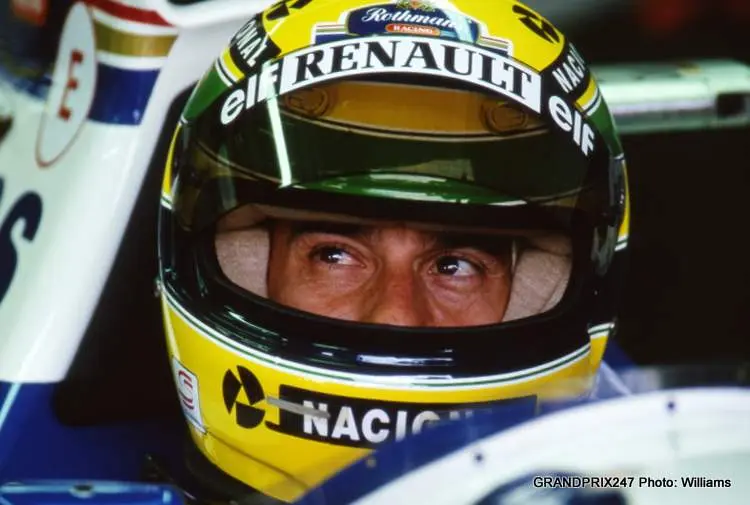
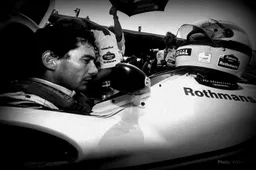
The death of Ayrton Senna during the 1994 San Marino Grand Prix at Imola marked the start of the modern era of Formula 1, which is comparatively not dangerous now claims 1997 F1 World Champion Jacques Villeneuve.
Today marks 30 years since Roland Ratzenberger perished during Qualifying at Imola on 30 April 1994, a day later Ayrton Senna was killed during the race he led. Crashing at high-speed through Tamburello... and the rest is well-documented history.
Jacques Villeneuve grew up mostly fatherless as his legendary dad Gilles Villeneuve, driving for Ferrari, crashed to his death while Qualifying for the 1982 Belgian Grand Prix. The son was 10.
Canada's only F1 World Champion shared his thoughts with the Casino Online In media team on that F1-shattering and desperately tragic 1994 GP weekend in Italy.
Villeneuve: Senna was so passionate about racing

Having won the 1997 F1 title with Williams, the same team Senna drove for last, Villeneuve reflected on the Brazilian: "He was super talented, super-fast. He probably would have given an amazing fight to other drivers for quite a few years to come because he was so passionate about racing.
"It is difficult to compare eras. It is like trying to compare Fangio with now. You actually didn’t see him racing or know the era. But he has become an almost mythical figure. That is the James Dean effect.
"Any driver who passes away at the wheel keeps his place in history a lot longer than say multiple champions, like Prost for example," ventured Villeneuve, whose late father Gilles remains widely adored in F1 circles, particularly in Italy where he will forever be one of Tifosi's greatest heroes," reckoned the Canadian.
Villeneuve: Mindset regarding death in racing changed that day at Imola

The tragedies at Imola also sparked a huge movement to improve safety and circuit medical facilities, a battle pioneered by Senna's great mentor and confidante Doctor Sid Watkins with unwavering support from Ecclestone and Moseley who ruled F1 at the time.
That 'safety first' movement carries on to this day, the most recent life-saving initiative by the FIA aka the F1 Halo has saved lives on numerous occasions, not only in the top flight but also in all single-seater categories that made the device mandatory.
Villeneuve ventured: "I would say it marked the start of modern F1. The mindset regarding death and getting hurt changed that day compared with the 1970s and 1980s. Drivers then were living on the edge. They were a small group, and they knew that might be the last time they were waking up when they went to a race.
"I guess you viewed life very differently in terms of the way you lived. You don’t enjoy the same things that we do now. Frankly, racing is not really dangerous right now," says Villeneuve, now 53, who survived a fair share of death-defying shunts during his F1 career.
JV had his fair share of 'big ones' during his F1 career

Having lost his father - Gilles - when he was ten years old, Villeneuve recalled the mindset of his youth: "I did part of my growing up with my Dad. Even then outside the track it was the same level of taking risks and pushing the limits and feeling special if you were capable of living on that edge.
"Whatever I did growing up, that is the way I looked at life whether it was on skis or behind the wheel. It didn’t have to be racing. The risk itself was part of the fun and showing the other guys you could and they couldn’t. Basically, you had bigger ones!"
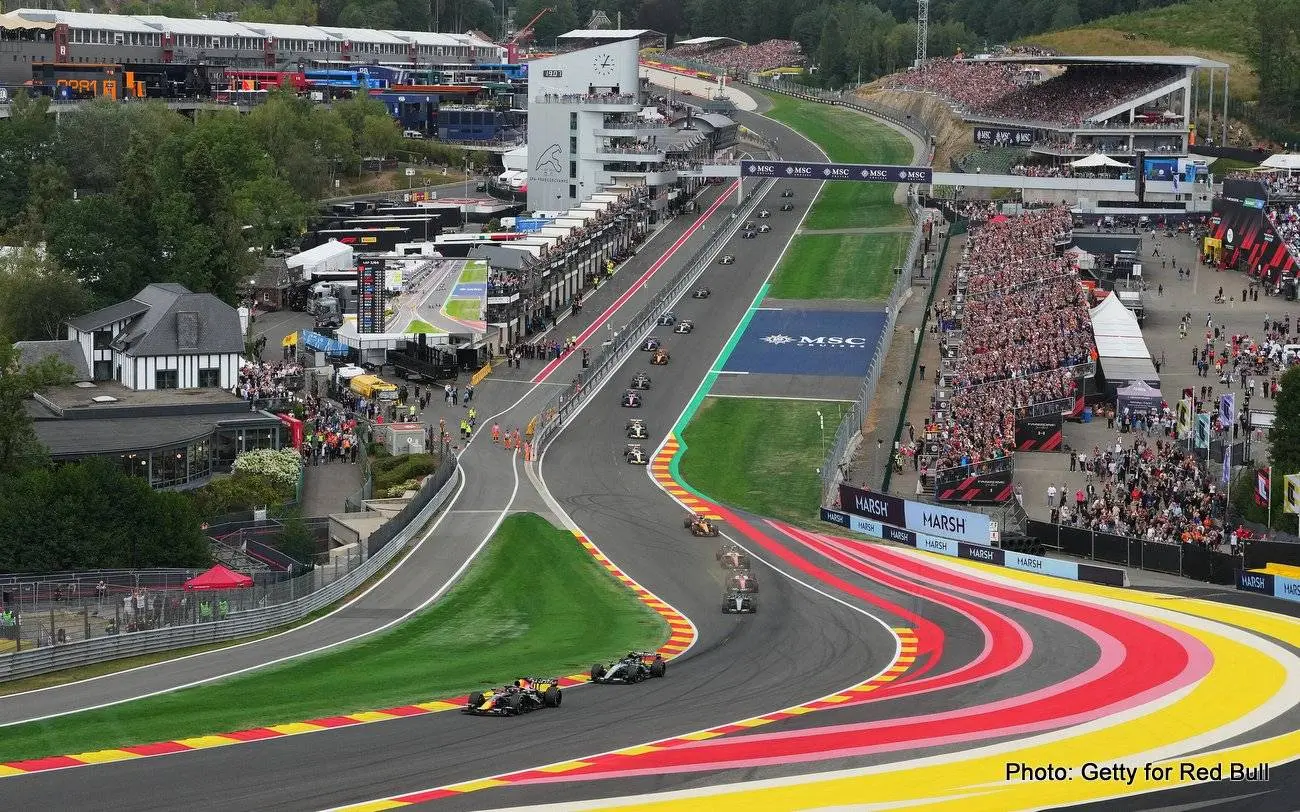
Famously Villeneuve recounts his high-speed crash during the 1998 Belgian Grand Prix weekend at Spa-Francorchamps' daunting Eau Rouge to Raidillon complex: "That was the attitude, which is why when I got to Spa and won the world title the goal was to go through Eau Rouge flat-out.
"At that time no one went flat through it. That was just an ego thing which earned you bragging rights. That is how I grew up. When I first started in F3 it was still quite dangerous. When I got into F1 it started to move in a safer direction," recalled Villeneuve, who won 11 GPs in a F1 career that spanned 163 races from 1996 until 2006.
Latest News
Loading