Verstappen & Leclerc: Cars better to follow depending on tyres
F1 NewsThursday, 31 March 2022 at 11:13
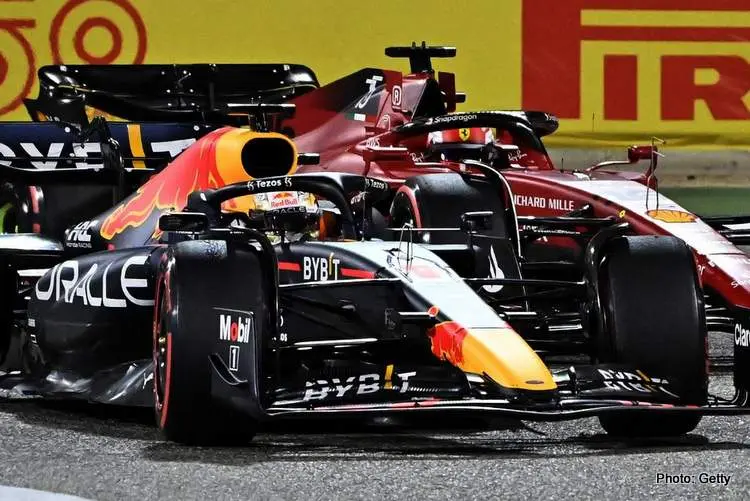
In the wake of the 2022 Saudi Grand Prix weekend packed with troubling news off-track, on-track it was very positive in that the new generation Formula 1 cars can follow without losing performance, making racing so much closer than before, however, it all depends on the tyres being used for a given stint.
GRANDPRIX247 tech guru Mark Kay's analysis of the race in Jeddah is headlined: Take a bow Ross Brawn, Nikolas Tombazis, Pat Symonds and Rob Smedley - architects of the new regulations and finding the solution to F1's long-standing problem.
Indeed a big round of applause goes out to the brains-trust that came up with this. Bravo!
The previous generation F1 cars were nearly impossible to follow at speed and into braking zones, let alone race closely or overtake in the manner we saw in Bahrain and Saudi, the aero-wake caused by the previous generation cars [2014 to 2021] made it quite the opposite and a problem hat needed addressing
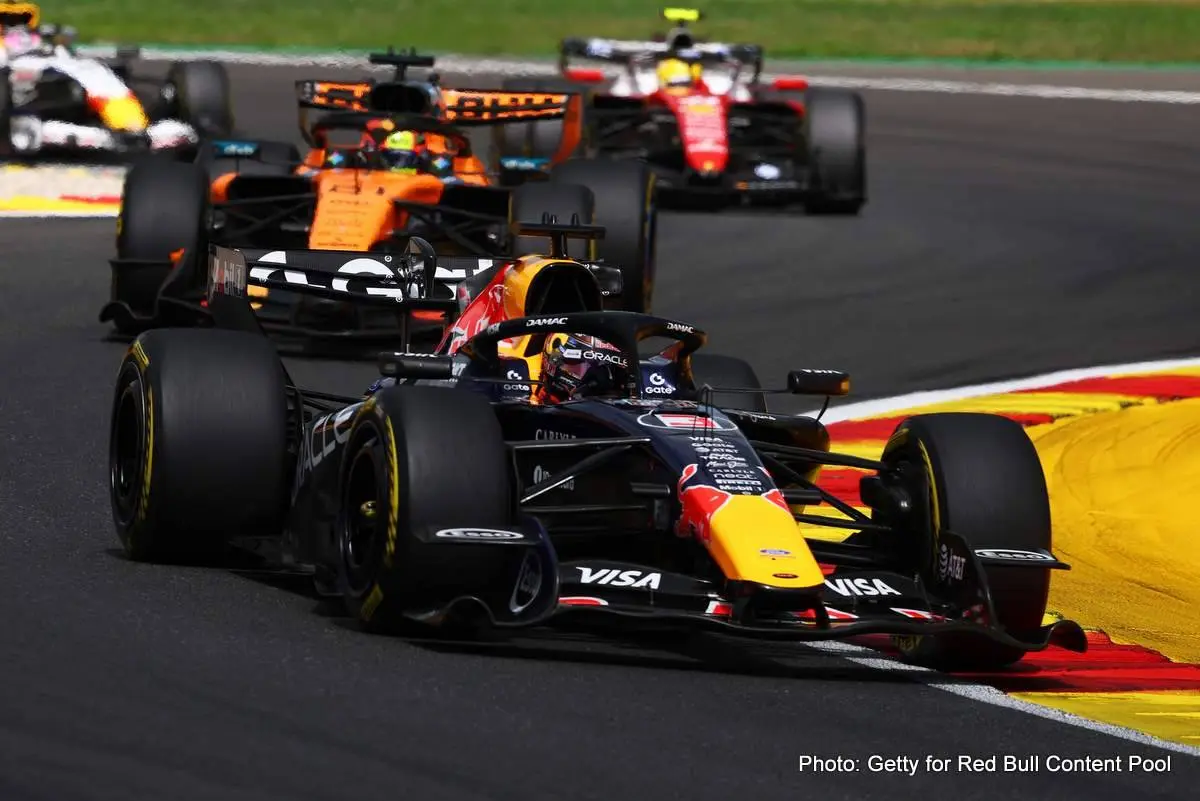
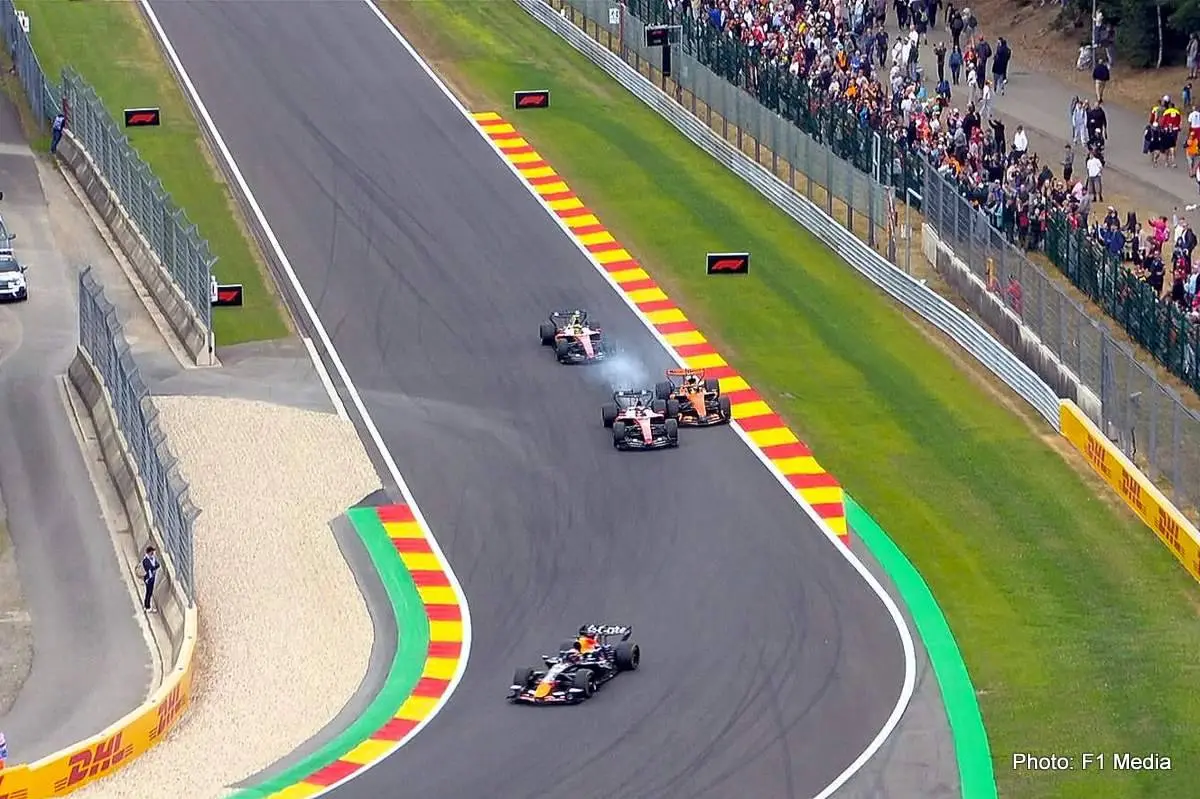
Hence tweaking the regs by the above-mentioned F1 rule-makers has made this generation of cars capable of being raced much closer, delivering the thrilling spectacles of wheel-to-wheel, nose-to-tail racing with we witnessed with Max Verstappen and Charles Leclerc; the pair going for it, in a no holds barred manner but with remarkable respectful and no bent metal in the closest, sustained racing we have seen in ages.
The ability to stay close while duelling is the key and the drivers themselves acknowledge that a big step in the right direction has been taken by F1, however, according to the pacesetters it depends on what compound tyres one
Verstappen: We could have actually raced a bit more if the tyre didn’t die

After the race in Saudi, Verstappen and Leclerc discussed the matter afterwards during the press conference.
Verstappen shared his thoughts: "The cars are better to follow, it just depends on the tyre. Like the hard tyre was capable of following closer, the other compounds – and this depends on the track – but just fall apart.
"Like, as soon as you follow for a few laps, they just open up. And I think it’s also a little bit of a thing … probably tyres, but also the weight of the car pushes you over the tyre edge. So, this is something we need to look at for the future.
"We improved the following with the cars, and I think probably the racing, but if the tyres don’t let you, due to whatever reason, if it’s the weight of the actual car, that’s a bit of a shame, because in the first stint, I think we could have actually raced a bit more if the tyre didn’t die.
"Everyone was basically struggling with the same thing at one point. So yeah, we need to understand that a bit better," ventured Red Bull's F1 World Champion and winner in Jeddah.
Leclerc: It is definitely a step forward compared to last year in terms of following

The man Verstappen pipped to the top step of the podium on Sunday, Leclerc, agreed with his rival: "Yeah, very similar, very similar comments. But it is definitely a step forward compared to last year in terms of following.
"The balance of the car is much more predictable, compared to last year’s car where it was very difficult to understand whether you will lose the front, or the rear being behind. This helps us to have the confidence, to actually push behind someone and to be a bit closer."
Leclerc then explained the differences he experienced during the 50-lap race while stalking leader Sergio Perez early on in proceedings: "It wasn’t easy following Checo. But, towards the end, we actually had quite a good pace on those Mediums.
"And then on the Hard, it felt nice whenever I had a little bit of margin I felt like I could keep the gap to Max but then obviously with the Safety Cars with the Virtual Safety Cars as soon as he got within DRS range, everything became a bit trickier there. But yeah, it’s like this.
"So, it is a step forward but, as Max said, I think there are other things that we can probably lookout for the future to make it even better," added Leclerc who leads the 2022 F1 world championship after two rounds, as does his Ferrari team.
Latest News
Loading