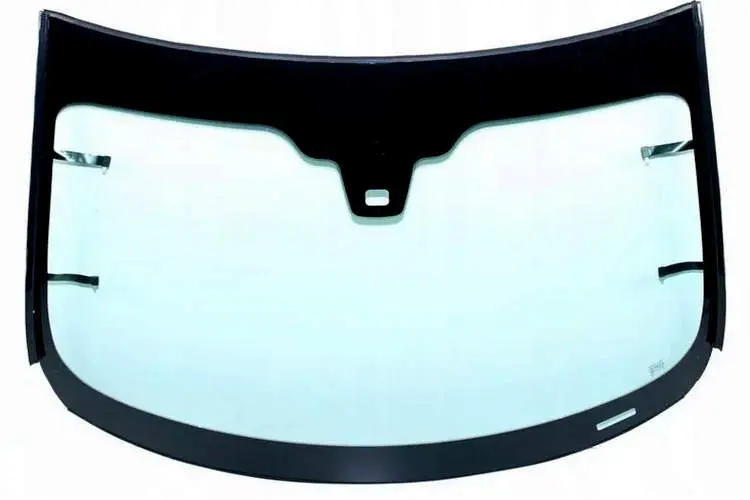
Knowing what type of auto glass your vehicle needs is essential for maintaining your vehicle's structural integrity and ensuring safety and compliance with road regulations.
After all, your vehicle’s auto glass is responsible for 45% of the cabin’s overall structural integrity, and this figure can rise to 60% in rollover accidents.
The type of auto glass your vehicle needs depends on several factors, including the year your vehicle was made, the make and model of your car, and whether your vehicle has special requirements such as acoustic dampening or UV protection.
What Are Car Windshields Made Of?
Early car windshields, made from simple window-pane glass, often broke into dangerous shards during accidents. Modern windshields are built with laminated safety glass, which includes two layers of glass bonded with a polyvinyl butyral laminate.
This design resists shattering, largely preventing injuries from glass in crashes and significantly reducing road noise. For more insights into auto glass, here’s a helpful guide on the different types available in the market.
Different Types of Auto Glass
There are three main types of auto glass: laminated, tempered, and specialty glass. Each type is engineered for specific parts of the vehicle to enhance safety, functionality, and comfort.
Laminated Auto Glass
Laminated glass is widely used for most types of vehicles due to its enhanced durability and ability to withstand high impacts, making it ideal for protecting passengers in the event of a collision.
While it’s not completely indestructible, as it can still break in a serious crash, the PVB layer keeps the glass together, which prevents sharp shards of glass from flying into the vehicle, causing injuries.
Laminated glass not only acts as a strong barrier but also cushions passengers to reduce injuries in accidents. It is a legal requirement for all car windshields and is increasingly chosen for side and rear windows too, showing a trend toward greater safety across all vehicle glass.
Tempered Glass
Tempered glass is known to be four times as strong as ordinary glass. Created through a process called quenching, where a sheet of glass is heated and then rapidly cooled, this significantly strengthens tempered glass.
Compared to laminated glass which resists breakage after impact, tempered glass crumbles into small, pebble-like pieces instead of sharp shards, reducing the risk of injuries.
Its durability and safety make it the preferred choice for vehicle side and rear windows, as well as sunroofs, as it effectively protects occupants from high-impact damage.
Specialty Glasses
Auto glasses that are designed with specific additional features beyond safety are known as specialty glasses. These glasses include varieties such as privacy glass, acoustic glass, and smart glass, each serving unique functions.
- Privacy Glass: Privacy glass is designed to enhance passenger privacy and security by significantly reducing the visibility into the vehicle from the outside. It also blocks a substantial amount of UV radiation, protecting the interior from sun damage and keeping the cabin cooler.
- Acoustic Glass: Acoustic glass uses a special interlayer designed to absorb and dampen sound, effectively reducing traffic, wind, and urban noise and providing a quieter, more enjoyable ride.
- Smart Glass: Smart Glass features the ability to switch between transparency and opacity with an electrical charge, allowing for privacy on demand, as well as control over glare and solar heating, making it a versatile option for modern vehicles.
Considerations for Choosing Auto Glass
When choosing your vehicle's auto glass, Auto glass technicians typically recommend that you consider safety, noise reduction, and UV protection, as the type of glass not only contributes to the aesthetic appeal of your car but also plays a vital role in ensuring passenger safety.
Laminated glass, for example, is essential for windshields because it provides a barrier against objects during collisions. For side windows, tempered glass is preferred because it safely shatters into tiny pieces upon impact.
Furthermore, options like acoustic glass reduces noise pollution, and UV-filtering glass protects passengers from excessive sunlight, making the drive more pleasant and safer.
Maintenance and Care of Auto Glass
Your windshield not only protects you from smoke, debris, and dust, but it also reduces the risk of serious injury in the event of a car accident. To ensure that your windshield does its job and lasts long, it’s vital to maintain it.
To keep your auto glass in top condition, it’s important to use the right cleaning techniques and products. For instance, ammonia-free glass cleaners are recommended as they are less likely to damage the glass or any tinting films.
Regular cleaning helps maintain clarity and prevent the buildup of dirt that can etch the glass over time. In terms of repairs, small cracks and chips in the glass should be dealt with immediately to prevent them from spreading and compromising the glass's integrity. Timely attention to minor damage through professional chip repairs for cars can save you from needing a full windshield replacement down the road.
For larger issues, professional replacement is necessary to ensure that the glass continues to provide the necessary safety and performance.
Latest News









Loading