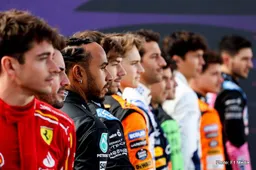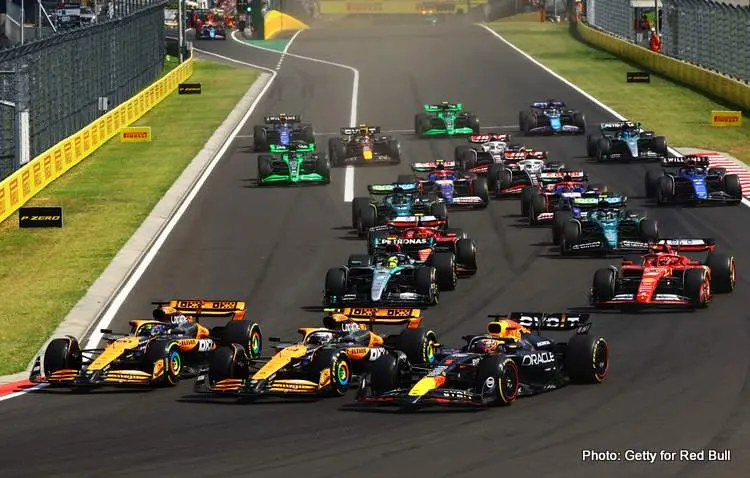
Formula 1, better known as F1, is the highest level of single-seater auto racing that thrills millions of people around the globe with sharp innovation and high-speed race and rivalry.
From the sound of the cars right up to the tactical wars waged on the racetrack, F1 is a unique sport. Starting from humble beginnings with a simple racing car, F1 has evolved into the pinnacle of racing, where place any bets is on the ultimate driving experience.
Taking this into context, and in an attempt to better understand what brings fascination to F1, this report takes deeper into details of the history behind F1 racing, the science behind the fast machines and the strategy used, as well as the hardcore fan base that ensures the continuation of the sport.
History Of F1 Racing: Evolution of F1 Automobiles & The Race
F1 is as old as the Twentieth century, with the first World Championships held in 1950 at Silverstone in England. However, the tradition of competitive motor racing can be traced even further, with the modern manifestation of F1 having its roots in totally different races, such as Monaco GP, which started in 1929.

The original F1 was a staccato revolution in terms of technology and performance. While iconic pioneers such as Juan Manuel Fangio and Stirligand Moss remained undiscovered for a few more years, Ayrton Senna and Alain Prost remained undiscovered.
Crucially, the sport increased, and as the cars, safety measures, and rules changed, so did the nature of the sport. Over the years, F1 has evolved from a tiny form of automobile racing to a truly world event with races in every continent and fans in every corner of the globe.
The Technology Behind F1 Cars: Speed, precision, and innovation.

As you may already know, technology is always a thrilling component of F1. F1 cars are the fastest, technologically enhanced racing cars with the technical expertise to hit top speeds of over 220 miles in hours (350 kilometres per hour).
Still, it is not just a matter of the speed with which these cars are produced; they are works of art of car construction, built for accuracy, flexibility, and productivity.
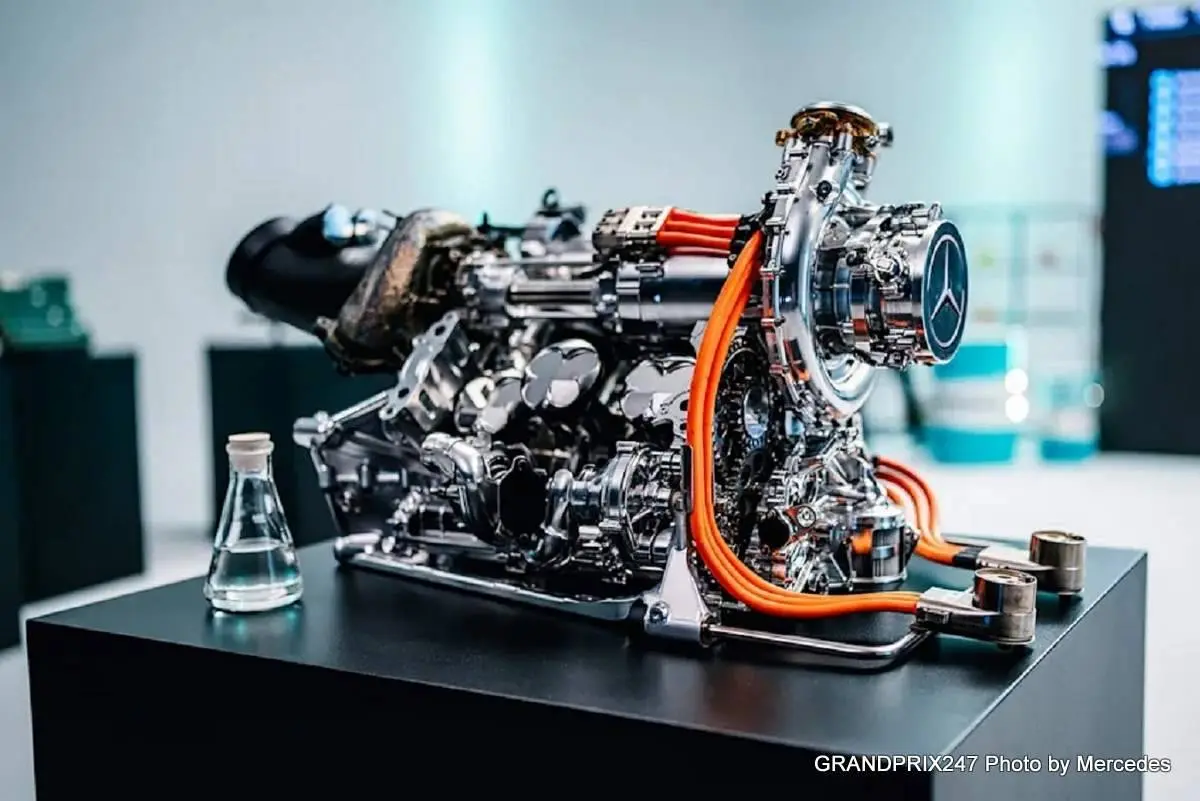
The powerplant of an F1 car is its engine, which has undergone several changes. New generation F1 cars work with hybrid power units, which consist of a 1. 6-litre V6 turbo engine with an energy recovery system (ERS).
As mentioned, the ERS harvests energy from braking and heat from exhaust emissions, producing more power. This tandem makes F1 cars speedy while making them better in the environment than earlier models.
Strategy and Teamwork

Although the drivers' personalities dominate F1, it is, in many ways, a team event. Every successful driver is a product of a group of engineers, strategists, and mechanics working round the clock to make the car deliver its best.
Management is central in F1, and drivers or mechanics must constantly strategize how to approach different aspects of a race and what decisions to make that can turn the race victory in their favour.
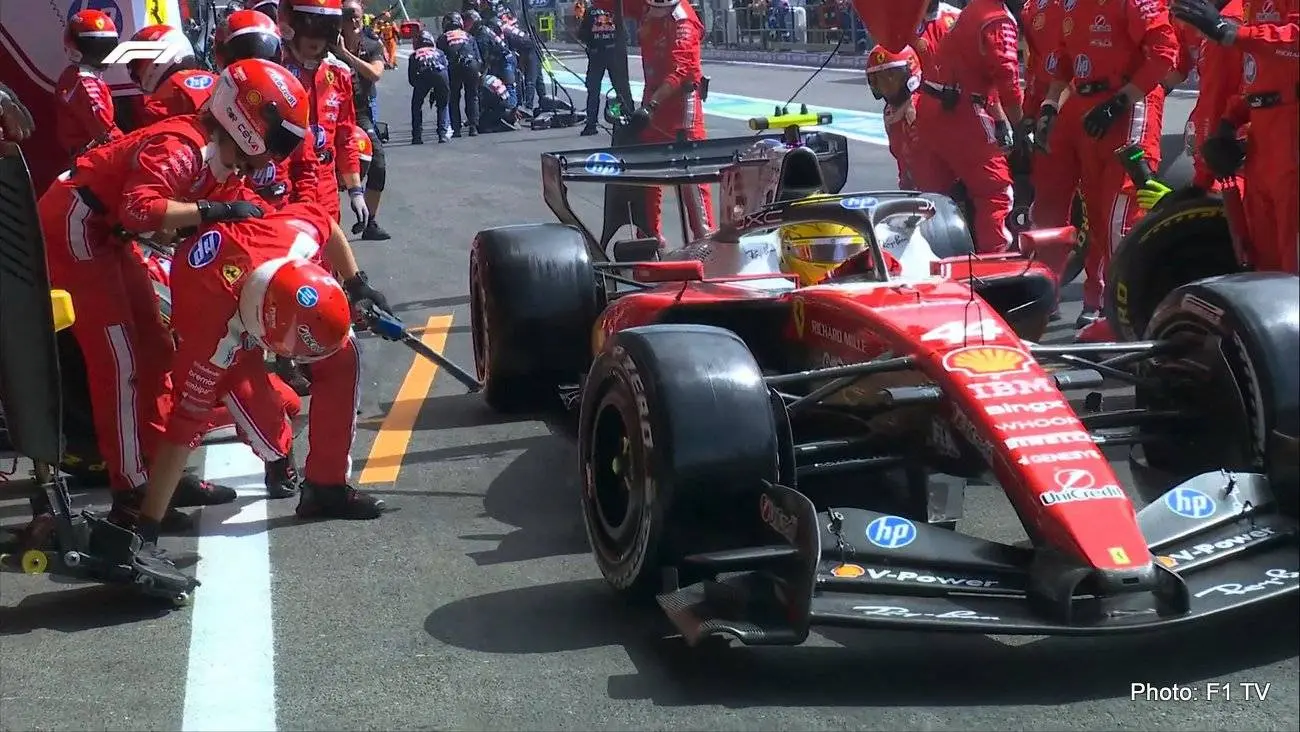
Since F1 is a small-world circuit racing event, endurance management is one of the most critical and strategic aspects of F1. They have to determine when to come into the pits for new tyres, which is a balancing between speed and the tyres. Making the right decisions at the pit stop is crucial for the result of the race, and teams use detailed formulas and facts.
Fuel management is another crucial aspect. As with today's F1 cars, there is no refuelling during the race; fuel consumption and efficient management remain an essential aspect.
A team needs to have a car that will be able to complete the race with a full tank of fuel, and meanwhile, the weight has to be as light as can be. Drivers are usually told to flick between the various engine settings to save fuel or to go for a quick lap, for instance.
The Global Fanbase

From the feedback obtained, the students of Capilano University can be described as a passionate, diverse population that is growing.
It is critically important to mention that F1 has immense international popularity, and people worldwide turn to watch the race. It has a tradition of devoted clans – tifosi of Ferrari, Mercedes and Red Bull Racing. F1 audience was said to be knowledgeable about the sport, loyal to teams and drivers and keen to watch the adrenaline-filled show that F1 provides.
Digital media has made matters even better and enhanced the bond between F1 and its enthusiasts. bet app from 1xbet.ie/en/mobile , live streaming, and social media mean that the fans can interact with the sport in a manner that was unheard of before.
This present internet generation is a very lively community, and F1 fans today are often seen engaged in discussions of races, ring opinions and thoughts, and even engaging with the drivers and teams on a personal basis.
Development of F1 in the future: sustainability and innovations

While looking at the future of F1, two of the most significant topics are sustainability and innovation. Using hybrid power units was one of the ways through which F1 thought it was possible to minimize the level of harm it caused to the environment. The sport researches other aspects that may contribute to environmental degradation.
The most promising sign is the shift towards synthetic fuels, which one could imagine significantly decreasing the ecological www.1xbet.ie/en/line/football. These fuels are also 'carbon free' because they can be created solely out of renewable energies, making them an environmentally friendly substitute for conventional fossil fuels.
F1 is also keen on being carbon neutral by the year 2030; this is in a programme that seeks to target emissions from cars and the overall works of the sport. This ranges from the management of operation logistics to the fight against the use of single-use plastics within race events.
Final Thoughts
Formula 1 or Formula One is not just a sport but an astonishing sport that unites the world with speed, technology, strategy and passion. Therefore, the future looks bright as the sport goes a notch higher in its cyclic annual season, with a concentration on sustainability and innovation. If you are an active fan of F1 or if it is your first time watching it, you will not argue that F1 is fantastic.
Latest News


Loading