How artificial intelligence helps Formula 1 teams with race analytics
F1 NewsWednesday, 18 September 2024 at 01:46

Formula 1—often considered the pinnacle of motorsport—isn't just a test of human skill and mechanical innovation; it’s also an arena where cutting-edge technology meets raw, mathematical precision.
As Formula 1 racing has grown in sophistication, math-heavy computing has risen to the forefront of race-day strategy. Racing insiders know that the status quo no longer cuts it; enter AI, the ace in the hole that flipped the script on traditional analytics, data crunching, and results-driven strategy.
Mathematical computing in Formula 1 isn’t simply about crunching numbers; it's about predicting, adapting, and maximizing performance in a sport where milliseconds make the difference between victory and defeat.
The Heart of Race Data: Mathematical Computing and AI
Formula 1 racing boils down to a numbers game, where every last detail is accounted for. You can't get inside a race car without tripping over a sensor or two - or hundreds, as it turns out, since they're tasked with collecting a deluge of data every second.
Ride-along sensors keep tabs on the essentials: temperature fluctuations in your tires, fuel levels, engine humming along smoothly, brake wear, and the gentle tug of aerodynamic forces. To make sense of this deluge of information, mathematical computing is deployed to process and analyze the data instantaneously.
Imagine wrestling tangled data into submission; AI makes it happen, cracking the code to deliver rock-solid findings that feed a team's competitive edge.
But how does AI enhance race analytics in such a high-speed environment? Formula 1 cars generate anywhere from 1 to 1.5 terabytes of data per race weekend, depending on the track and conditions.
For comparison, the Large Hadron Collider at CERN generates about 30 petabytes of data per year, which puts the volume of race data into perspective. Traditional methods of data analysis are simply not fast enough or efficient enough to handle this volume.
AI in Race Analytics: A Strategic Advantage
The real magic happens when AI meets predictive analytics. Through the use of machine learning algorithms, AI can predict how certain decisions will impact race outcomes. In general, if you have all the numbers and the formula, then you can calculate everything through an AI math solver. You can view in App Store this application. There is no magic, there are just numbers behind it all.
For example, AI can forecast how a specific tire compound will perform under various track conditions or how a car’s fuel load will affect lap times as the race progresses. Teams no longer rely solely on instinct or pre-race planning; they now have AI-powered models that can simulate different race strategies and determine the optimal path forward.
Take tire management as an example. One of the most crucial decisions during any race is determining the right time to pit for new tires. Pit too early, and a driver may lose precious seconds; pit too late, and tires could degrade, costing valuable positions on the track.
With the help of mathematical computing in Formula 1, AI algorithms analyze tire wear data in real-time, factoring in variables like track temperature, car weight, and lap pace. In 2019, Mercedes F1 was able to capitalize on AI-assisted analytics during the Mexican Grand Prix, where a perfectly timed pit stop contributed to Lewis Hamilton's victory—a race where tire degradation was a pivotal factor.
The Power of Simulation
Beyond race-day analytics, artificial intelligence in sports also plays a critical role in pre-race simulations. Before the cars even touch the asphalt, AI models simulate countless race scenarios based on historical data, weather conditions, and the car’s performance metrics.
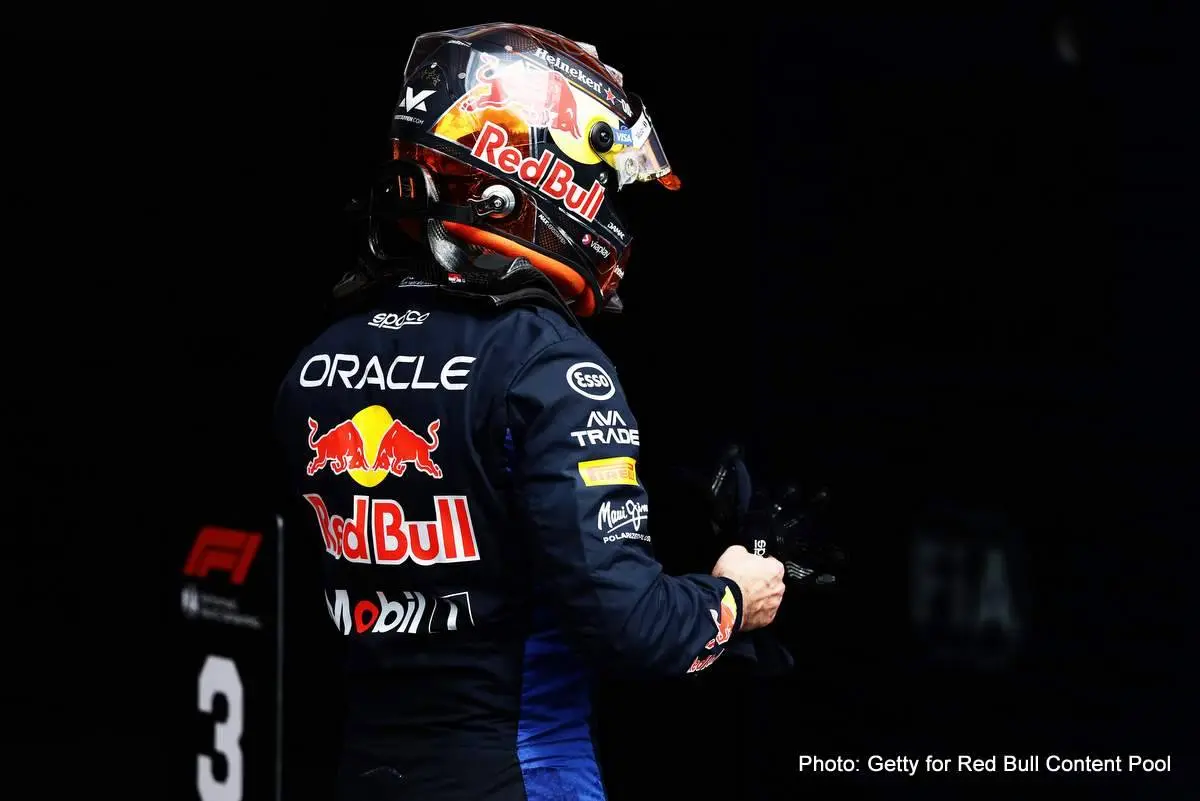
These simulations help teams devise optimal strategies and fine-tune their cars for the specific demands of each circuit. In 2022, Red Bull Racing used an AI-driven simulation program to run more than 100 million race simulations leading up to the Hungarian Grand Prix.
This massive computational power allowed them to predict possible race outcomes and refine their strategy to perfection. Max Verstappen, starting from 10th place, surged through the field to claim a victory, showcasing the efficacy of their AI-backed approach.
The question arises: could these simulations predict every potential outcome in such a dynamic and unpredictable sport? Perhaps not every scenario, but AI systems can predict many variables with remarkable accuracy.
Mathematical computing in Formula 1 enables teams to model the effects of small changes—such as a gust of wind or a drop in temperature—on race strategy. This level of predictive power provides a distinct edge, especially in a sport where even the smallest advantage can shift the course of a race.

AI in Race Car Development
AI doesn’t just analyze data from races; it also informs the design and development of the cars themselves. Computational fluid dynamics (CFD), a field reliant on complex mathematical computing, plays a significant role in refining the aerodynamics of F1 cars.
Teams utilize AI algorithms to process the enormous amount of data generated by wind tunnel tests and CFD simulations. These insights allow engineers to optimize the car's design, finding the perfect balance between downforce and drag, ultimately improving cornering speed and straight-line efficiency.
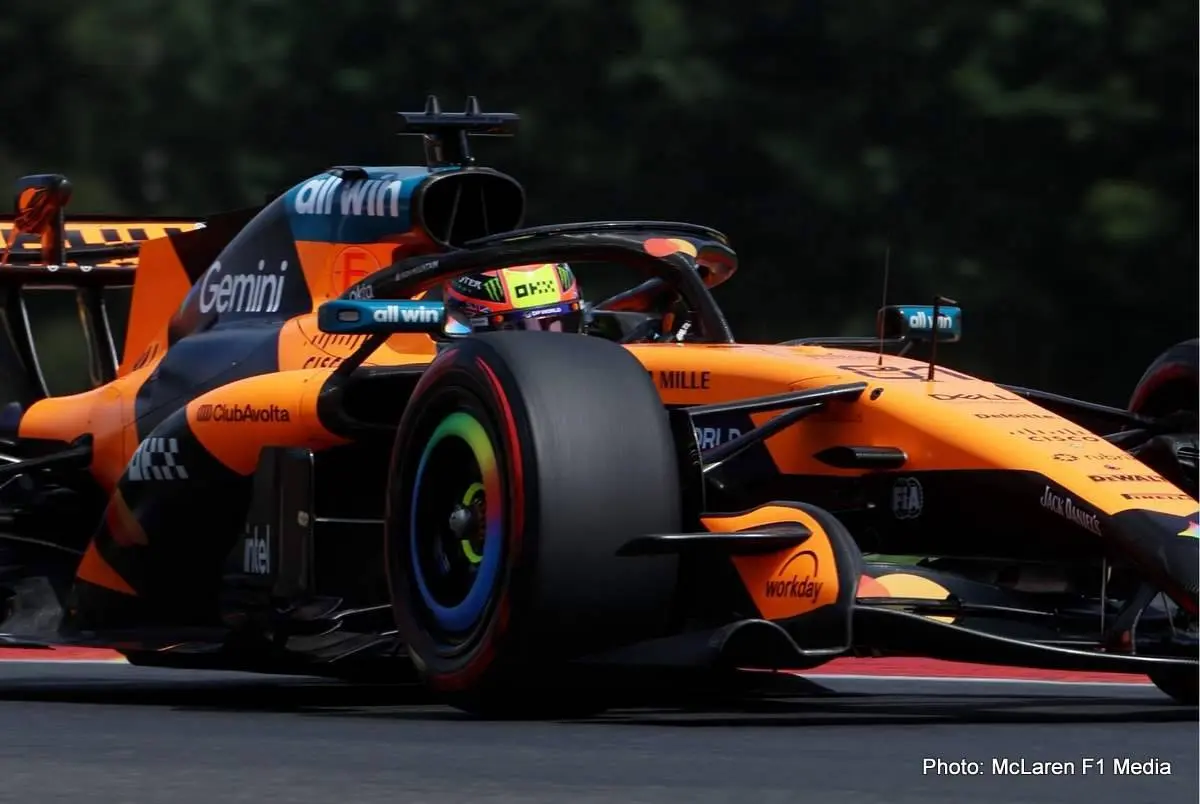
During the 2021 season, McLaren F1 used AI to accelerate their car development process, particularly focusing on improving the aerodynamics of their car. By running simulations through AI-driven platforms, they were able to cut down on physical wind tunnel tests, which are time-consuming and expensive. This not only sped up their development cycle but also made the car more competitive on race day.
Conclusion
In a sport where speed is everything, the integration of mathematical computing and AI in Formula 1 has proven to be an undeniable force. The ability to process vast amounts of data, predict race outcomes, and optimize performance is no longer a luxury; it’s a necessity.
As AI continues to evolve, we can only expect its role in Formula 1 to grow, propelling the sport into new realms of innovation and precision. The future of Formula 1 is one where human ingenuity and artificial intelligence race side by side.
Latest News


Loading