Rise of Data-Driven Strategies in F1: Technology & Motorsport Betting
F1 NewsWednesday, 29 January 2025 at 01:07
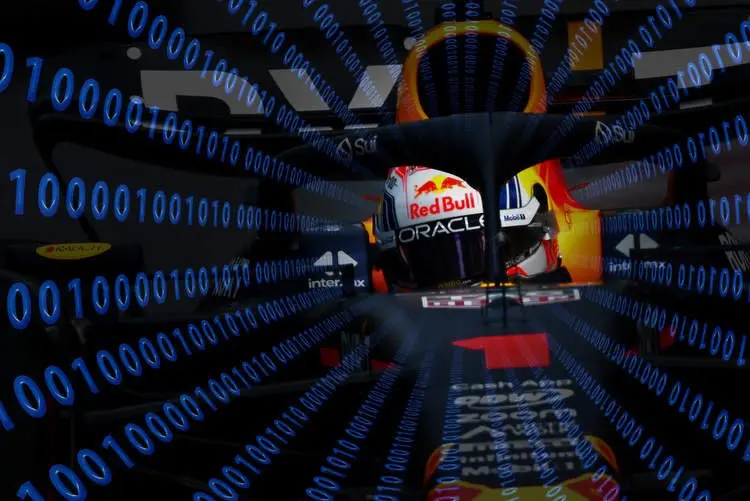
Formula 1 has always been a sport driven by innovation and technology. Over the years, advancements in aerodynamics, tire technology, and car engineering have significantly improved performance on the track.
However, in recent years, a new revolution has taken place: the rise of data-driven strategies. With the use of artificial intelligence (AI), big data analytics, and machine learning, F1 teams are optimizing their race strategies like never before. This shift in technology has also had a significant impact on motorsport betting, changing the way bettors analyze races and place their wagers.
The Role of Data in Modern F1
Data collection and analysis have become a cornerstone of F1 racing. Teams collect thousands of data points every second during practice sessions, qualifying, and races. Sensors placed on the car measure various parameters such as tire temperature, fuel consumption, aerodynamic efficiency, and brake performance. Engineers analyze this data in real time to make informed decisions on strategy, such as when to pit or adjust driving styles.
Beyond race-day decisions, historical data is used to simulate different race conditions, predict weather impacts, and refine vehicle setups. The use of AI and machine learning algorithms allows teams to gain deeper insights into their competitors’ strategies and car performance.
How Data is Changing F1 Betting

The shift towards data-driven decision-making in F1 has also transformed the landscape. Traditionally, betting on F1 was based on driver reputation, recent performance, and gut instinct. Today, advanced analytics and predictive modeling have provided bettors with deeper insights, making betting more strategic and informed.
Here’s how technology is reshaping F1 betting:
1. Predictive Analytics and AI Models
Advanced AI models can now analyze vast amounts of race data to predict outcomes with higher accuracy. These models factor in variables such as:
- Weather conditions (rain, humidity, wind speed)
- Tire degradation patterns
- Track characteristics and historical results
- Driver consistency and performance under different conditions
- Pit stop efficiency and team strategies
By using predictive analytics even from https://1xbet.ie/en bettors can make more informed decisions instead of relying purely on intuition.
2. Live Betting and Real-Time Data
Live betting (also known as in-play punting) has become increasingly popular in F1. With real-time data streams available you can visit basketball betting sites, bettors can place wagers during a race based on changing conditions. For example, if a team executes a faster-than-expected pit stop or if a driver struggles with tire wear, bettors can adjust their bets accordingly.
This has made F1 betting more dynamic and interactive, as bettors can respond to race developments in real time rather than placing bets solely before the race begins.
3. Driver and Team Performance Metrics
Bettors now have access to detailed performance metrics that were previously only available to teams. Websites and data analytics platforms provide statistics such as:
- Lap times and sector speeds
- Fuel efficiency and engine performance
- Driver reaction times and overtaking success rates
- Team pit stop history and errors
With this wealth of information, bettors can analyze performance trends over multiple races and make more calculated bets.
4. Simulation-Based Betting Models
F1 teams use simulators to prepare for races, and now bettors are leveraging similar technology to refine their strategies. Some advanced betting platforms use race simulation software that runs thousands of virtual races based on real-world data to determine the most likely outcomes. These simulations consider factors like:
- Track evolution over a race weekend
- Effects of tire wear and fuel loads on speed
- Potential safety car deployments and crashes
By running multiple simulations, bettors can get a clearer picture of different race scenarios and potential surprises.
The Future of F1 Betting: What’s Next?

1. Integration of Machine Learning in Betting Platforms
Betting platforms are increasingly integrating machine learning algorithms that adapt to new data trends. These models will become even more accurate, helping bettors refine their strategies and spot valuable opportunities.
2. Blockchain and Smart Contracts
Blockchain technology is making its way into the betting industry, ensuring transparency and fairness in wagers. Smart contracts could automate payouts based on real-time race data, reducing the risk of manipulation or fraud.
3. Augmented Reality (AR) and Virtual Reality (VR) Betting
Future betting experiences might include AR and VR, allowing fans to experience races in immersive ways. For example, AR overlays could provide real-time betting odds and race analytics while watching the event.
4. More Personalized Betting Experiences
With AI-driven recommendations, betting platforms could offer personalized insights tailored to individual bettors based on their history and preferences. This could enhance user experience and improve betting success rates.
Wrapping up
The rise of data-driven strategies in F1 has transformed the sport, and the betting landscape is evolving alongside it. With access to real-time data, predictive analytics, and AI-powered models, bettors are now more informed than ever before. This shift from instinct-based betting to data-driven decisions has made F1 betting more analytical, exciting, and potentially profitable.
As technology continues to advance, the future of F1 betting will become even more sophisticated, offering bettors deeper insights and interactive experiences. Whether you’re a seasoned bettor or just getting started, leveraging data can help you make smarter bet of the day football available now and enhance your overall enjoyment of the sport. The fusion of F1 technology and betting analytics is shaping a new era for motorsport enthusiasts worldwide.
Latest News




Loading