The New F1 Car Regulations Explained: Understanding the Latest Changes in Formula 1
F1 NewsTuesday, 24 March 2026 at 02:24
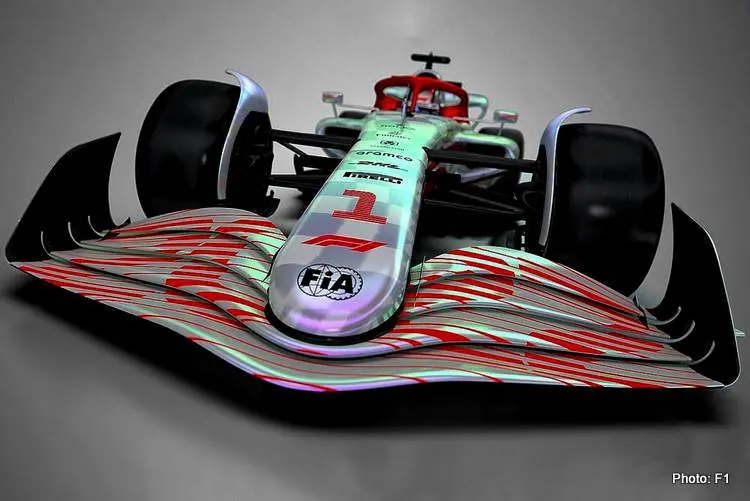
Formula 1 regularly updates its technical regulations to keep the sport evolving, and the latest round of changes has generated significant interest among fans who follow the engineering side of racing.
These updates aim to refine performance, improve consistency
across teams and enhance the overall racing spectacle. Discussions around these
changes often appear alongside broader conversations about the sport, including
topics such as formula 1 betting, team strategies and season‑long developments.
Platforms like Monopoly Casino are sometimes mentioned in wider sports‑related
contexts due to their presence in the online entertainment space, though they
are not connected to any Formula 1 teams or organisations.
Why the Regulations
Have Changed
Regulation updates in
Formula 1 typically occur for several reasons: improving safety, adjusting
aerodynamic performance, reducing excessive costs or encouraging closer racing.
The latest changes follow a period of significant technical evolution in the sport.
After the introduction of ground‑effect aerodynamics in recent seasons, teams
and governing bodies have continued to refine the rules to ensure that the cars remain stable,
competitive and manageable across different circuits.
These adjustments are
part of Formula 1’s ongoing effort to balance innovation with fairness.
Aerodynamic Refinements
One of the most
notable areas of change involves aerodynamics. The new regulations introduce
modifications to the floor, wings and airflow structures around the car. These
adjustments are designed to reduce turbulent air and help cars follow each
other more consistently.
While the previous generation of regulations made
progress in this area, teams quickly found ways to optimise airflow in ways
that sometimes reduced the intended effect. The updated rules aim to restore
balance by limiting certain aerodynamic tricks and encouraging more predictable
performance across the grid.
Chassis and Weight
Adjustments
Another key area of
focus is the chassis. The new regulations include refined weight limits and
structural requirements. These changes are intended to ensure that all teams
operate within a similar performance window while maintaining high safety
standards.
Weight distribution rules have also been adjusted to give teams
clearer guidelines on how to set up their cars. These updates help create a
more level playing field and reduce the likelihood of extreme design variations
that could lead to large performance gaps.
Power Unit Stability
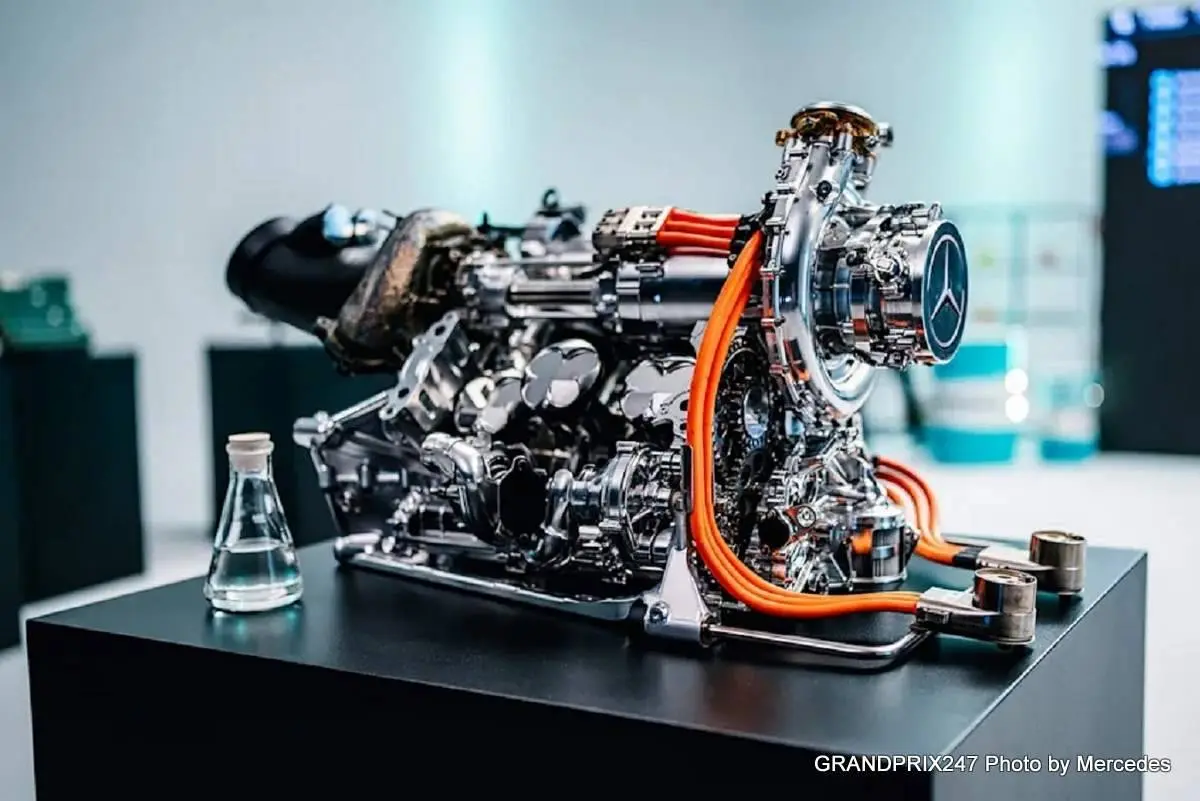
The regulations include updates to how teams manage energy deployment and cooling. These
refinements are designed to maintain reliability and ensure that performance
remains consistent throughout a race.
The sport has committed to long‑term
stability in power unit rules, giving teams a predictable framework to work
within. This stability allows engineers to focus on efficiency and integration
rather than major redesigns.
Suspension and Ride‑Height
Rules
Suspension systems
have also received attention in the latest regulations. Adjustments to ride‑height
requirements and suspension geometry aim to reduce the extreme bouncing effects
that some teams experienced in previous seasons.
These changes help improve
driver comfort and car stability, particularly at high speeds. By refining
these rules, Formula 1 aims to ensure that all teams can operate safely while
still exploring innovative engineering solutions.
How Fans Can Understand the Changes
For many fans, the
technical side of Formula 1 can feel complex, but the core ideas behind the new
regulations are straightforward. The updates are designed to make the cars more
predictable, reduce extreme aerodynamic effects and encourage closer racing.
Fans who enjoy following the engineering side of the sport often look at how
teams interpret these rules during pre‑season testing and early races.
Observing differences in car design, performance trends and team strategies can
help build a clearer picture of how the regulations influence the season.
What These Changes
Mean for the Season Ahead
The impact of
regulation changes often becomes clear only after several races. Some teams may
adapt quickly, while others may need time to refine their designs. The updated
rules create opportunities for shifts in performance order, new design
philosophies and strategic adjustments across the grid.
Fans who follow the
sport closely, whether through race broadcasts, technical analysis or general
interest topics like formula 1 betting trends, will likely see these changes
reflected in how teams approach each weekend.
Latest News



Loading