High Stakes and the Neuroscience of Risk and Reward in New Zealand
F1 NewsMonday, 15 September 2025 at 03:22
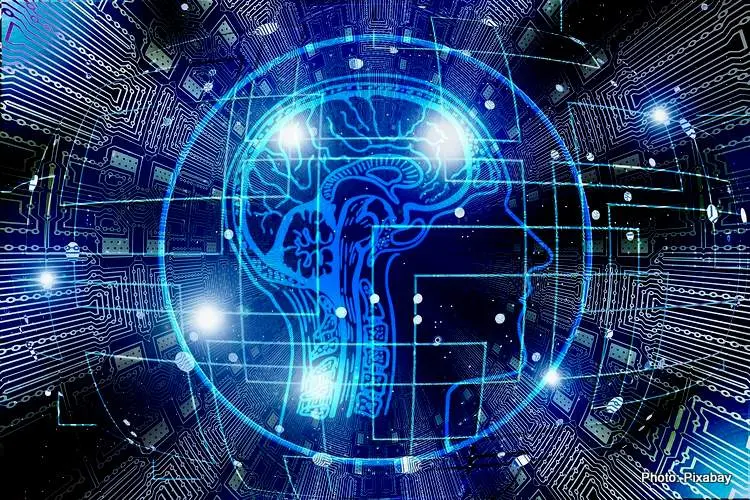
From launching a new venture in Auckland to making a split-second choice while playing at a licensed New Zealand online casino, risk-taking is woven into the fabric of life here.
Whether it’s a calculated decision or a spontaneous gamble, risk activates a remarkable cascade of neurochemical reactions and deep-rooted survival instincts in the brain. We unpack it for our brainy Formula 1 fans and F1 readers!
Understanding how these processes work helps shed light on why New Zealanders might feel compelled to take a chance even when the odds seem stacked against them.
The thrill of a potential payoff can be an incredibly powerful motivator, a sensation that is well understood by anyone who has ever engaged with the strategic play and suspense found on a platform like xonbet casino.
Dopamine’s Dominance: The Brain’s Reward System
At the very heart of risk-taking lies dopamine, a neurotransmitter often dubbed the "pleasure molecule," though its role is far more nuanced. Dopamine is not just released when we win; it is released in anticipation of a potential reward.
New Zealanders considering risky decisions—be it financial investments or gambling within the newly regulated online market—dopamine release in the brain’s mesolimbic pathway generates feelings of excitement and incentive.
The brain's reward system is incredibly sensitive, and it can be activated by even the smallest potential for gain. This is why even a small investment can trigger a powerful and immediate sense of excitement. For example, a campaign offering a deposit $1 bonus is highly effective because it triggers the same neural pathways as a high-stakes scenario.
The mere possibility of a significant reward, even with a minimal initial outlay, is enough to get the dopamine flowing. This powerful neurochemical feedback loop is what makes risk-taking so compelling and, for some, so difficult to resist.
The Emotional Brain: Amygdala and the Fear Factor
While the dopamine system urges us forward, another part of the brain acts as our internal alarm bell: the amygdala. This almond-shaped structure is a key component of our limbic system, responsible for processing emotions, particularly fear. When we face a risky situation, the amygdala fires up, creating feelings of anxiety and fear as a warning signal.
A healthy balance between these two systems—the desire for reward and the fear of loss—is crucial for rational decision-making. However, sometimes one system can override the other, leading us to either be overly cautious or recklessly daring.
Here are some key brain regions involved in the risk-reward dynamic:
- The Nucleus Accumbens: A central player in the brain’s reward circuit. This area is flooded with dopamine during the anticipation of a reward, driving our motivation and desire. It’s the "go" signal in our decision-making process.
- The Amygdala: This is the brain’s emotional center. It processes fear and aversion, acting as a brake on our risk-taking behavior. When the potential for loss is high, the amygdala sends a powerful signal to avoid the risky action.
- The Prefrontal Cortex: This is the executive control center of the brain, responsible for rational thought, long-term planning, and weighing the consequences of our actions. A well-developed prefrontal cortex helps us to override impulsive urges and make more calculated decisions.
- The Insula: This brain region processes bodily sensations and feelings of disgust or pain. In a risky situation, the insula’s activity can correlate with the feeling of unease or "gut feeling," providing a physical sensation to our mental calculations of risk.
Cognitive Biases: The Flaws in Our Risk Assessment
Even with our brain’s sophisticated systems, our risk assessment is far from perfect. It is often clouded by a number of cognitive biases—mental shortcuts that can lead to irrational decisions.
One of the most common is the gambler’s fallacy, the mistaken belief that if something happens more frequently than normal during a given period, it is less likely to happen in the future. Another significant bias is the illusion of control, where we overestimate our ability to influence outcomes that are largely determined by chance.
This can be seen in someone who believes they have a “lucky hand” or a special strategy that will help them win, even when the situation is completely random. Similarly, confirmation bias leads us to seek out and interpret information that confirms our pre-existing beliefs, ignoring any evidence that might contradict our desired outcome.
These biases are a powerful testament to the fact that our brains are not always objective calculators of probability; they are complex systems influenced by emotion, past experiences, and a desire to see patterns where none exist.
Harnessing the Brain: Managing Risk with Neuroscience in New Zealand
Understanding the brain’s role in risk offers practical benefits for New Zealanders, especially as the domestic iGaming sector expands under new licensing laws introduced in 2025.
The goal is to empower players and entrepreneurs to make measured, conscious decisions rather than impulsive gambles. This involves recognizing dopamine’s influence, questioning assumptions, and utilizing evidence-based strategies.
New Zealanders can cultivate mindful decision-making by setting personal limits and pausing before acting on impulses—practices supported by initiatives under New Zealand’s Strategy to Prevent and Minimise Gambling Harm effective from mid-2025.
Strengthening these executive functions aligns with neuroscience insights, helping individuals shift from reactive to deliberate risk-taking.
Latest News







Loading