The Longest Pre-Season Ever? How F1 2026 is Building Maximum Hype
F1 NewsWednesday, 14 January 2026 at 06:47
Formula 1 is no stranger to building anticipation, but the road to the 2026 season is already feeling rather long.
There are many reasons for this. Major new technical regulations are in place
comprising new power unit rules, a change in DRS, the arrival of new
constructors to the sport, and an additional team added to the mix have all
meant that the competitive landscape of F1 has been turned on its head. These
changes have created excitement and discussion among fans and analysts alike,
and some also take the opportunity to explore betting online
as part of their engagement with sports in general.
Major changes on the way
At the heart of the hype is the scale of
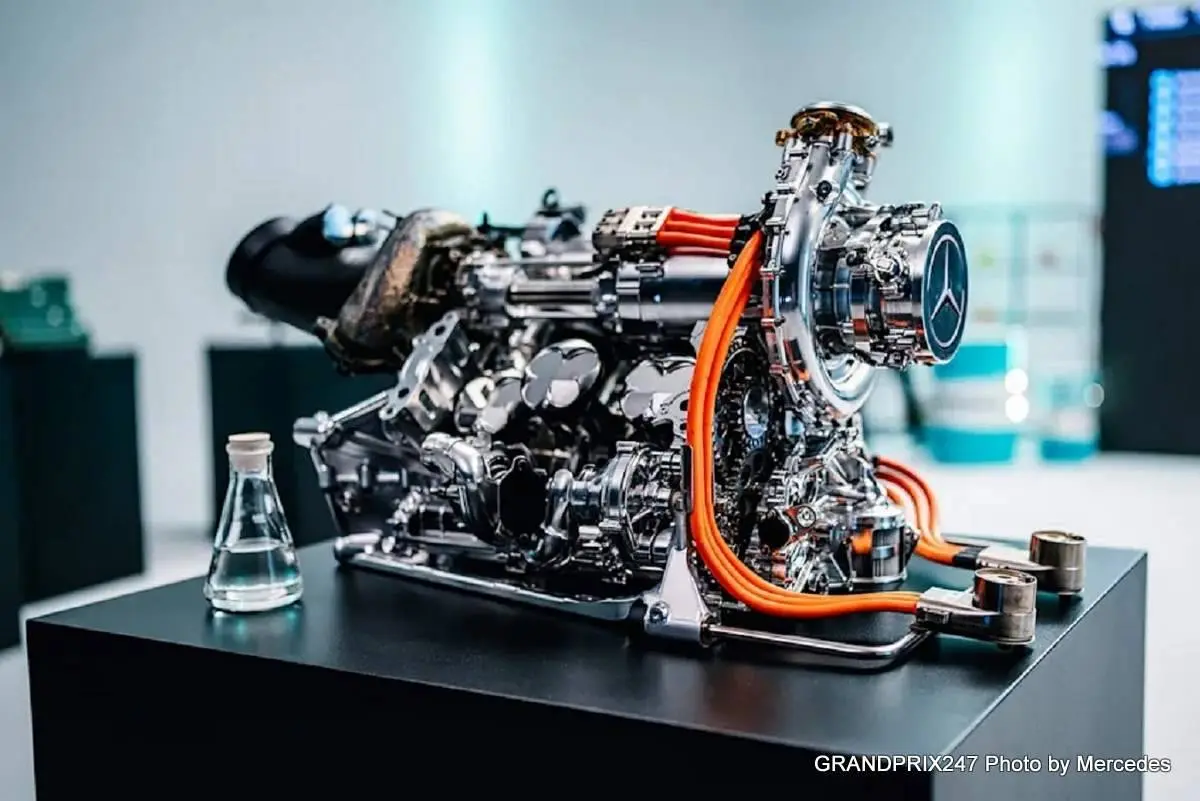
technical changes coming in 2026 Formular 1 is introducing a new technical
framework designed to rebalance performance, sustainability and competition
within the sport. Cars are to be lighter, smaller, more agile and have power
units that rely on a higher proportion of battery power with fully sustainable
fuels. These aren't incremental tweaks either, but rather major foundational
changes that have forced teams to completely rethink their design philosophies.
This has resulted in stretched development timelines and the usual beats within
the sport have, naturally, changed. But this has opened an extended window for
analysis, debate and expectation.
A season of uncertainty
One big reason this pre-season feels so
long is that level of uncertainty everyone is feeling. Even in other years
where regulation changes take place, there are usually fewer in place, more
incremental changes, or indeed clear front-runners when it comes to the
constructors. For 2026, that certainty is emphatically missing. Some of the
powerhouse teams, such as Red Bull, Ferrari
and Mercedes, have been noticeably off their A-game in the last season, and
with new changes are now wrong-footed once again, almost down to the level of
midfield teams. This has meant that newcomers such as Cadillac are actually
enjoying a rare moment of arriving on relatively equal terms into the sport.
Audi's arrival as a works manufacturer has also added intrigue, while existing
engine suppliers are trying to get to grips with completely new technical
territory. As such, there are many variables in play.
Embracing anticipation
The FIA has leaned into this anticipation with a
vengeance. Instead of hiding development behind closed doors, the sport has
been very open, encouraging dialogue regarding sustainability goals, engine
design and the competitive nature they hope to bring to the sport. This
transparency has helped draw out the pre-season narrative, not just in the
direct months before the season starts, but throughout the entire 2025 season
as well. This has allowed fans to follow the evolution of these ideas long
before the cars actually head out to the track. This has resulted in a slower,
deliberate build-up to the 2026 season, and one that keeps F1 in the spotlight
even when there is no racing taking place.
On top of this, the drivers themselves
are adding to this sense of a lengthier pre-season run-up. Some contract
decisions were left late, teams have switched principals and long-term
commitments are no longer so clear-cut. Choosing which team to be a part of now
has longer-lasting ramifications, with drivers committing for more than just a
season or two. This is because drivers are looking to put themselves in the
best position going forward into this new F1 era. On top of this, both drivers
and team principals are cagey with their predictions for the future, and this
only serves to build mystery and intrigue, keeping everyone hooked on what will
happen next.
Fans are feeling it
From a fan engagement perspective,
there's a lot going on. In fact, this longer pre-season has begun blurring the
lines between off-track analysis and on-track action. There's a lot of
information to parse too, which is great for those who enjoy predicting
outcomes and interpreting the trends they see on track.
Whether this really is
the longest pre-season in the sport is debatable, but it definitely feels
carefully prolonged. With major technical changes, new teams, old drivers
returning and full transparency, a slowburn and unfolding of the events to come
is taking place. And it's keeping everyone engaged and guessing before the GPs
even start.
Latest News
Loading