Latest Innovations in Wheel Alignment Machines for Auto Shops
F1 NewsThursday, 11 September 2025 at 01:33
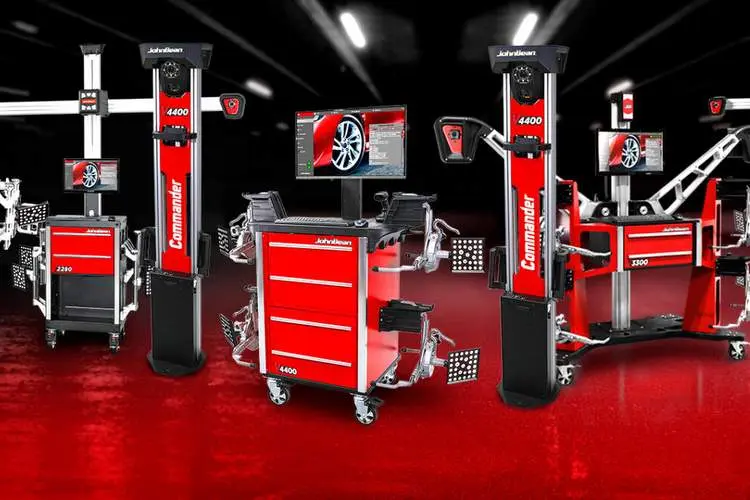
These days, auto shops find it harder than ever to give quick, exact repairs while keeping up with customer demands and prices everyone likes. Wheel alignment?
It's gone from slow hand work to high-tech, really hasn't it. This new wheel alignment thing? Really good tech, simple for you, gives great accuracy, changes how car pros work.
In the US auto service industry, which makes over $400 billion yearly, wheel alignment is a big part of routine maintenance income. Auto shops, it seems, need equipment upgrades meeting both present needs and what the future holds, not just because cars get complex, but also since clients want more. New alignment tech's latest advances? Head-on solutions now for our Formula 1 fans and F1 readers interested in wheelk alignment technology.
The Evolution from Traditional to Smart Alignment Systems
Old-school wheel alignments? People had to measure stuff by hand, do tons of math, and like, really know their stuff to get it right. So mechanics used pretty basic optical tools plus adjusting stuff by hand; sometimes that'd eat up hours for just one car. These older systems? Human error was so common that recalibration was a frequent need.
New wheel alignment machines? They've really changed things with sensors, computers, and stuff. Old systems? Figure ninety minutes for alignment. Today's machines might do the same task in thirty, maybe forty-five, with way better precision.
Digital systems? Shift started in the early 2000s, but recent stuff sped things up a lot. Based on car specs, driving, maybe even how tires wear, machine learning helps dial in alignment. Technicians can then predict stuff which lets them tweak things proactively; it might give tires longer lives and help vehicles perform better.
3D Imaging Technology: Precision Through Advanced Visualization
Maybe alignment tech's biggest leap involves using really detailed 3D pictures. See, these really cool cameras grab tons of data points every second, so you get 3D models showing each wheel's spot near the car frame and other wheels.
Instead of fixating on points like lasers, 3D imaging gives insight into space. Technology spots tiny camber caster and toe changes that folks couldn't see before. See how such precision boosts tire life, gives better gas mileage, and makes your car handle great.
Big manufacturers came up with their own 3D imaging tricks; they fix issues like light, shaky surfaces, even little shop shakes, you know what I mean? You get measurements that are always reliable, no matter what's going on outside.
3D imagery? It also helps connect customers, perhaps. Technicians? They can actually show vehicle owners before and after alignment images, demonstrating work performed. With openness, people would engage and maybe understand service costs better.
Artificial Intelligence Integration: Smart Diagnostics and Predictive Maintenance
AI became quite disruptive for today's alignment gear, you see. AI systems go over old data specs and ongoing measurements to give smart advice that's more than simple fix-ups.
Smart systems? They learn each time adjustments happen, building databases, I think, for finding what works best for specific vehicles. AI spots subtle issues, pointing maybe to suspension woes, and suggests extra work or figures out when the vehicle needs alignment based on usage.
A neat trick? Imagine using AI for some help fixing problems. If car readings go off, people would ask what happened and get ideas on how to solve it. For less experienced technicians, this capability really helps extend seasoned pros' expertise across the whole service team.
Machine learning algorithms also optimize the alignment process itself. The wheel alignment machine can automatically determine the most efficient sequence of adjustments, reducing the number of iterations required to achieve perfect alignment. This efficiency improvement directly impacts shop productivity and customer satisfaction.
User-Friendly Interface Design: Simplifying Complex Operations
Alignment machines now? Touchscreen interfaces offer guidance through each step, it seems. These systems cut out much guesswork from old equipment while offering easy-to-understand diagnostics.
Alignment issues jump out thanks to color-coded displays—green means measurements are good, but red flags areas you should check. Interactive graphics let a technician see how tweaks might affect how a vehicle performs overall.
Voice instructions? More and more technicians use them; they might keep their hands free while following the steps. The think feature helps a lot, especially in shops focused on both speed and getting things right.
Mobile connectivity? That lets you keep tabs on things and manage vehicles remotely. Shop managers can track progress, monitor equipment, and get very detailed reports from anywhere. Plus, a connection makes program updates support easier.
Wireless Technology and Mobile Integration
New machines use wireless sensors, I think, for wheel alignment and work better with phones to make processes more streamlined and offer more flexibility. Wireless wheel clamps? Huge for ditching cable headaches, plus more vehicle maneuverability.
With mobile apps, technicians can tweak alignment from tablets or smartphones, making adjustments while keeping perfect viewing angles, you know? With added mobility, technicians reduce strain and boost accuracy since they're able to position themselves for the best observation alignment process.
Cloud data storage? Alignment records get backed up automatically; they are accessible from many spots. For businesses spanning multiple locations, or even single shops aiming to build solid service records per client, this kind of tool is ideal. It could come in real handy.
Advanced Calibration and Quality Control
Modern alignment? Self-calibration keeps it accurate without much hand-holding needed. Before you start, ensure these processes check how sensors align, where cameras point, and measurement accuracy.
You might try systems using two sensors; those let different devices check readings on their own. Such a way almost kills measurement quirks while giving faith alignment fixes that hit the mark.
Quality control offers automatic documentation, tracking measurements, and adjustments for service records useful to you in warranty claims, customer updates, and quality programs.
The Future of Wheel Alignment Technology
Looking forward, a few new technologies might really shake up how places do wheel alignments. They're building augmented reality so measurements appear right in front of a technician; checking numbers without looking away might help.
Cars have more safety tech now, so think ADAS integration gains importance. Going forward, alignment machines must handle calibrated sensors and also ensure fixes don't mess with ADAS stuff.
Electric autonomous vehicles? New challenges alignment equipment makers are tackling right now. These vehicles? Weight distribution and suspension designs often need special alignment plus measurement techniques.
Impact on Auto Shop Operations
Advanced alignment tech? Shop operations could see impacts. Switching from older setups to new digital gear can often boost productivity by 40% to 60% you know. Shops gain efficiency, serving more customers; quality standards? They stay quite high.
Shops investing in hi-tech alignment tools? Customer satisfaction tends to improve, you know. Faster service and more accurate communication? Seems like customers would engage with that and offer referrals.Modern systems? Honestly, training doesn't take nearly as long as it used to. New techs get up to speed fast, and seasoned pros focus on vital diagnostics and customer care.
Newest wheel alignment machines?
They're not just tech getting better; it's how car care now uses data and focuses more on you, know what I mean? Auto shops embracing new stuff? They'd set themselves up real nice for long-term wins.
Modern alignment tech provides many capabilities people would love, with 3D plus AI user interfaces and wireless, which may help your customers. The automotive world keeps changing, think electric cars and self-driving things, so maybe invest in fancy alignment tools; it helps keep shops current and makes money.
Upgrading alignment gear? Figure it's money well spent for your business down the road. A strong combo of efficiency, accuracy, plus great customer experiences? That's compelling. People would engage in increasing revenue, retaining more, while gaining competitive advantages.
See how auto shop owners spotting big changes coming, thanks to advanced wheel alignment, can really get ahead?
Latest News









Loading