Short History of Formula 1 Grand Prix: A Road to Global Legend
F1 NewsMonday, 17 February 2025 at 06:59
The end of the 19th century was an era of technological progress, and along with the first cars, racing was born.In 1894, the first documented motorsport race between Paris and Rouen took place
The event was organized by the French newspaper Le Petit Journal. Its goal was simple: to identify the most reliable and fastest car. France became the centre of motorsport thanks to the strong development of mechanical engineering. This was the template for Formula 1 of the future.
In the 1900s, car racing turned from an amateur competition into a serious sport. The tracks were dangerous, the cars were unstable, and the drivers had to be masters of the wheel and mechanics.
The First Grand Prix: A Revolution in the World of Racing
The first official Grand Prix took place in 1906 in Le Mans. The winner was Ferenc Siss, representing the Renault team. This event marked the beginning of a new era of motorsport:
- Formation of standards. Regulations were introduced that defined the parameters of cars.
- Improving safety. It became clear that racing needed a risk-aware organization.
- The influence of engineering. Designers began to develop cars specifically for racing, which improved the speed and endurance of cars.
The Path to the Official Founding of Formula 1

The interwar period gave impetus to the development of motor racing in Europe. In the 1920s and 1930s, global brands such as Mercedes-Benz, Alfa Romeo, and Auto Union created increasingly powerful cars. In 1934, the legendary Silver Arrows from Mercedes appeared, leaving the competition far behind.
Today, racing enthusiasts can find similar excitement and adrenaline at sites like Casino Betflare, https://casino-betflare.com/ where speed and thrill meet in a different kind of race.
In 1946, the FIA (International Automobile Federation) developed uniform rules for racing, which became the basis for the Formula 1 World Championship, launched in 1950.
The First Formula 1 Season: A Historic Event
The first Formula 1 World Championship officially started in 1950. The first Grand Prix was held in Silverstone (UK), and the winner was Giuseppe Farina in an Alfa Romeo. That year, the Alfa Romeo team dominated the championship, establishing a tradition of fierce competition between manufacturers.
Technological Evolution: Formula 1 Goes Global

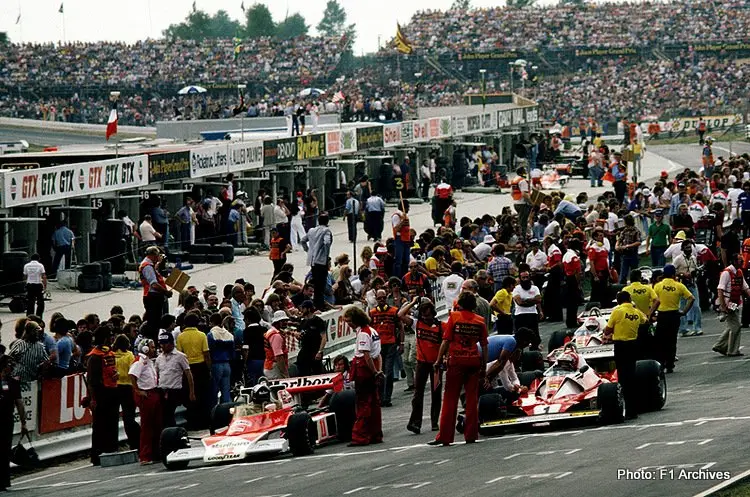
During the 60s and 70s, Formula 1 became a large-scale sport. Technology played a key role in shaping new championship-winning teams:
- Ferrari — the era of the legendary Niki Lauda and his fight with James Hunt.
- McLaren — revolutionary cars created by Bruce McLaren.
- Lotus — innovative aerodynamics that changed the face of racing.
Safety also became a priority. Following several fatal crashes in the 1970s, mandatory helmets, improved seatbelt systems, and stricter track regulations were introduced.
Modern Formula 1: A Blend of History and Innovation
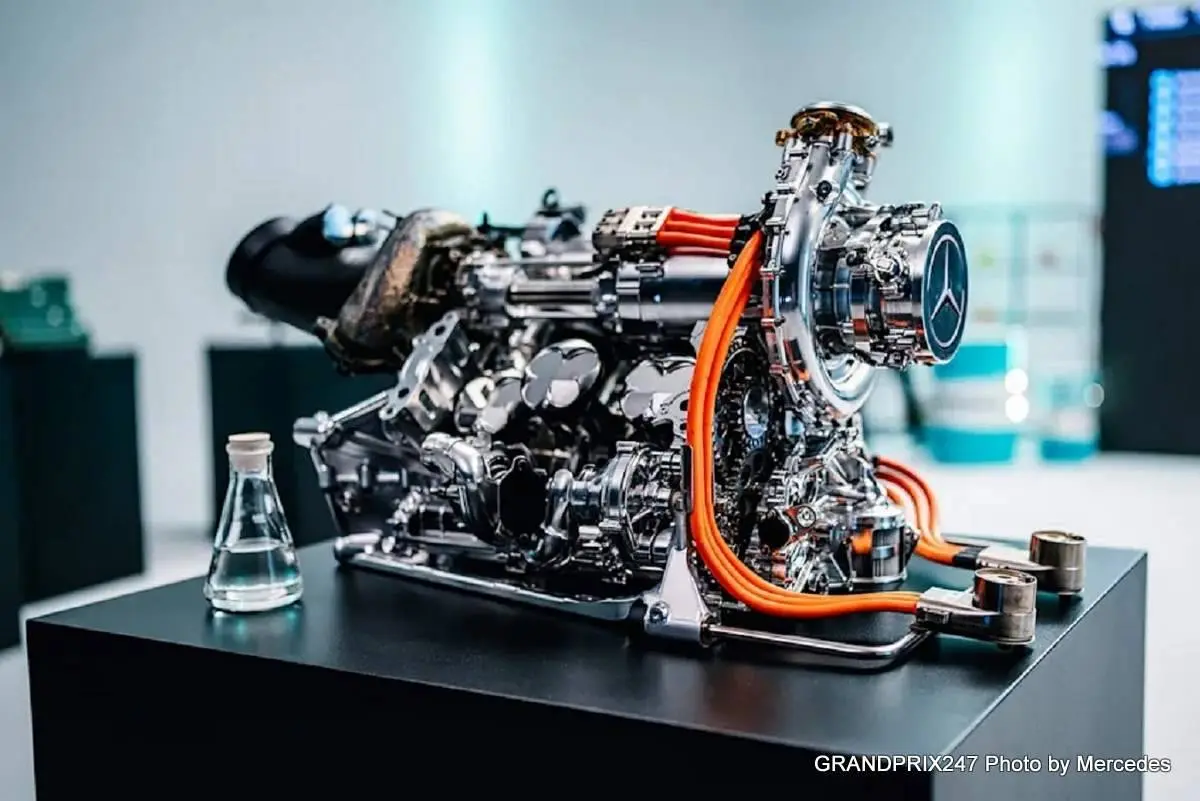
Today, Formula 1 is the pinnacle of technological progress. Introducing hybrid engines, using artificial intelligence to analyze data, and advanced aerodynamics have made this championship the most technically advanced in motorsports.
Modern technologies used in cars also have applications in other areas. For example, artificial intelligence algorithms that analyze pilot trajectories are similar to those used in online entertainment, particularly in casinos. Such data optimization allows players on platforms like Betflare Casino to get a more comfortable and dynamic gaming experience.
Formula 1 is not stopping to evolve, and the future of the championship promises even more innovations — electrification, autonomous technologies, even higher safety levels and spectacular racing at the limits of human capabilities.
Latest News


Loading