Future of F1: Digital Currencies and Impact on Racing Economics
F1 NewsMonday, 08 April 2024 at 14:44

Imagine a future when the cutting-edge world of digital currencies collides with the thrilling speed of Formula 1, whose minders prepare to incorporate these digital assets into its economic structure while the world economy embraces them.
This special report presents a vision of a digitally improved future for racing by examining how cryptocurrencies and blockchain technology are expected to impact the financial dynamics of the sport, from fan interaction to team operations finance. Additionally, if you want to know more about investments and firms, you may visit immediate-cypher.com.
Development of Formula 1 Financial Strategies
Significant changes have been made to Formula 1's financial plans over time. Historically, the primary sources of income for the teams and the governing body of the sport have been direct sponsorships and television rights. Prominent companies would gladly shell out a lot of money to have their emblems race cars at high speeds in front of millions of people worldwide.
The Formula One (F1) financial scene has changed recently. With the emergence of digital media, new revenue streams have been made possible, such as improved e-commerce platforms and digital sponsorships. Teams can generate extra revenue by selling products through sophisticated web storefronts and multimedia content such as exclusive interviews or behind-the-scenes videos.
Moreover, the role of data and financial technology in Formula 1 has grown. Teams use advanced analytics not only to improve performance on the track but also to understand better and leverage their financial operations and fan engagement strategies. This shift towards more tech-driven economic practices sets a new course for how teams operate and generate revenue.
Digital Currencies Entering the F1 Arena
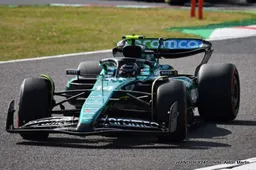
Formula 1 has always been at the forefront of technological innovation, and now, it's racing into the world of digital currencies. Several F1 teams have already partnered with cryptocurrency firms. For instance, Aston Martin and Alfa Romeo have inked deals that bring crypto into the high-octane environment of motorsports. But it's not just about sponsorship logos on cars.
Fan tokens are a hot topic. They change how fans interact with their teams. By owning these tokens, fans can vote on minor decisions, like helmet design or a car's paint job. This might seem small, but it strengthens fan loyalty and opens new team revenue streams.
Moreover, blockchain, the tech behind these currencies, can track car parts and verify their authenticity. This can cut down on costs and speed up operations. As we look forward, can digital currencies boost F1's global appeal? Will they draw in a younger, tech-savvy audience? These are questions we need to explore as this integration deepens.
Economic Implications of Digital Currencies for F1
Introducing digital currencies into Formula 1 could be a game-changer economically. Firstly, it provides new funding avenues. Teams might launch their cryptocurrencies or NFTs (non-fungible tokens) as innovative fundraising tools. Imagine owning a digital collectible of a championship-winning car!
However, there are hurdles. The value of digital currencies can swing wildly, and if teams put too much stock in them, they might face financial instability. Moreover, the legal landscape is still catching up, creating a gray area that can be risky to navigate.
Yet, the benefits might outweigh the risks. Digital currencies could slash transaction costs and streamline international contracts and logistics payments. This efficiency could free up resources for better car development and more competitive racing. How might this shift affect the smaller teams? Could it level the playing field in F1?
Future Prospects
What does the future hold for digital currencies in Formula 1? As technology and regulations evolve, more teams and sponsors might be embracing cryptocurrencies. This adoption could reshape financing, fan engagement, and global marketing strategies.
Imagine a future where race tickets, merchandise, and even concessions can be purchased with F1-themed digital currencies. This could make transactions quicker and more secure. Furthermore, the global nature of F1 means dealing with various currencies and financial systems. Digital currencies can simplify these processes, making them more streamlined and cost-effective.
Yet, questions remain. How will traditional sponsors react? Could digital currencies disrupt the current economic model of F1 to a point where they become unrecognizable, or will they integrate into the existing framework? These are the future scenarios that teams, sponsors, and fans need to consider.
Conclusion
As we've shown, there is bright potential for changing Formula 1's financial environment through the interaction of digital currencies and the sport. By implementing these technologies, Formula One can improve fan engagement, optimize operations, and create new global engagement and funding opportunities. The race is on to harness the benefits of digital currencies, setting the stage for a revolutionized economic model in the high-speed world of Formula 1.
Latest News






Loading