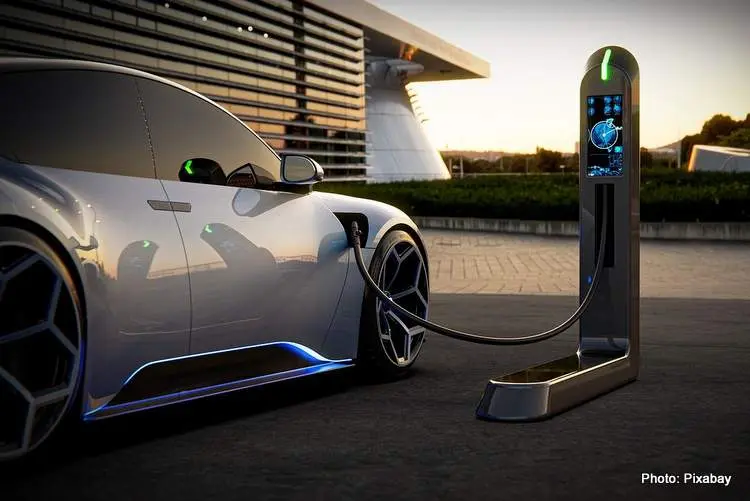
At first glance, EV charging might seem straightforward—plug in, charge, and drive. But beneath that simplicity lies an evolving industry driven by innovation, user experience, and sustainability.
As electric vehicle adoption accelerates, the demand for smarter, more efficient charging solutions grows. The future of this sector isn’t just about providing energy; it’s about reshaping mobility and infrastructure to meet the needs of businesses and consumers alike.
For fleet operators, the need for reliable, high-capacity EV charging solutions is even more pressing. EV fleet charging demands strategic planning, efficient load management, and seamless operational integration to ensure vehicles are always ready to hit the road.
Businesses that rely on fleet transportation—from delivery services to public transit—must adopt tailored charging strategies to optimize efficiency and reduce downtime.
Laying the Foundation: Smarter Infrastructure

The success of any EV charging business begins with its infrastructure. Unlike traditional fueling stations, EV charging hubs must be strategically located and designed for efficiency.
Prime Location, Maximum Convenience
The placement of charging stations plays a crucial role in their success. High-traffic areas such as shopping centers, urban districts, and highways attract more users. Providing access to well-lit, secure, and easily reachable locations ensures a seamless charging experience and encourages repeat usage.
Reliability Is Essential
A malfunctioning or overloaded charging station can quickly deter customers. Investing in a robust power grid, backup storage solutions, and smart energy distribution ensures a reliable service, minimizing downtime and maximizing user satisfaction.
Elevating the User Experience
EV charging isn’t just a transaction—it’s an interaction. Creating an experience that prioritizes convenience, speed, and comfort is key to customer retention.
Simplified Payment Methods
A complicated payment process can drive customers away. Offering multiple payment options, such as mobile apps, contactless payments, and subscription models, enhances accessibility and user trust.
To further streamline the journey, connected vehicles can support in-car transaction models that let drivers authenticate once and pay from the dashboard - covering charging sessions, parking, and tolls—while enabling operators to bundle services, offer loyalty rewards, and reconcile multi-vendor payments in a single mobility wallet.
Speed Is Everything
Drivers value their time. Fast-charging solutions, particularly along highways and within city centers, keep wait times minimal and usage rates high. Businesses that invest in ultra-fast chargers will attract more customers and drive higher revenue.
Beyond Charging: Creating Value-Added Services

Waiting for a charge doesn’t have to be tedious. Stations featuring on-site amenities like coffee shops, workspaces, and retail outlets transform downtime into an enjoyable experience. These additional services create new revenue streams while enhancing customer satisfaction.
Technology as the Driving Force
Cutting-edge technology is at the core of the evolving EV charging landscape, bringing smarter, more efficient solutions to the forefront.
Intelligent Energy Management
Dynamic load balancing and smart charging capabilities optimize energy usage, reduce grid strain, and improve efficiency. Implementing renewable energy sources such as solar panels further enhances sustainability efforts.
Data Utilization for Business Growth
Charging stations collect valuable usage data, offering insights into peak hours, customer behavior, and energy consumption. Businesses that leverage this data can improve operations, refine pricing strategies, and anticipate future trends.
Real-Time Connectivity
Live status updates on charger availability, estimated wait times, and integrated navigation apps provide convenience and build customer loyalty. A connected ecosystem makes EV charging seamless and stress-free.
Sustainability at the Core

Environmental responsibility is a major driver of EV adoption, and charging providers must align with these values.
Integrating Renewable Energy Sources
Charging stations powered by solar or wind energy reduce carbon footprints and appeal to eco-conscious consumers. Pairing renewable energy with battery storage solutions enhances efficiency and grid independence.
Carbon Reduction Initiatives
Companies that take proactive steps to offset their operational emissions, such as participating in carbon credit programs, strengthen their sustainability credentials and attract environmentally conscious users.
Navigating Regulations and Industry Standards
The EV charging industry is shaped by regulations that impact everything from grid integration to consumer accessibility.
Leveraging Incentives and Grants
Governments and municipalities offer incentives to accelerate EV infrastructure growth. Staying informed about funding opportunities and tax benefits can significantly reduce costs and improve ROI.
Ensuring Seamless Interoperability
Universal access is crucial for user convenience. Charging networks that support multiple providers, payment systems, and vehicle models create a better overall experience and attract a wider audience.
A Profitable Business Model
A strong financial strategy ensures sustainability and growth in the EV charging industry.
Cost Management and Revenue Generation

Installation and maintenance costs can be substantial. Offering tiered pricing, memberships, and bundled services can create steady revenue while keeping charging costs competitive for users.
Additionally, companies can explore initiatives like the EV salary sacrifice scheme, which encourages employee EV adoption through tax-efficient leasing. This not only promotes greener fleets but also increases demand for reliable workplace and public charging infrastructure.
Expanding Beyond Charging Fees
EV charging stations can become multi-purpose destinations. Retail partnerships, advertising opportunities, and additional services such as vehicle maintenance or car washes diversify income and enhance the overall business model.
Challenges and Emerging Innovations and Managing Increasing Grid Demand
As the industry grows, so do the challenges—but innovation offers solutions.
With rising EV adoption, power grids must adapt. Collaborating with energy providers, utilizing smart grids, and integrating energy storage solutions help mitigate strain and ensure long-term stability.
Strengthening Cybersecurity Measures
As digital transactions and data collection become integral to EV charging networks, strong cybersecurity protocols are essential to protect customer data and prevent breaches.
The Future of Charging Technology
The next generation of charging technology is already on the horizon. Wireless charging, bi-directional charging (vehicle-to-grid), and ultra-fast solutions are set to revolutionize the industry, making EV charging even more accessible and efficient.
Moving Forward: The Road to a Greener Future
The EV charging business is more than just supplying energy—it’s about enhancing mobility, improving user experience, and embracing sustainability. As technology advances and adoption increases, companies that invest in innovation and customer-centric solutions will lead the charge toward a cleaner, more efficient future.
Latest News











Loading