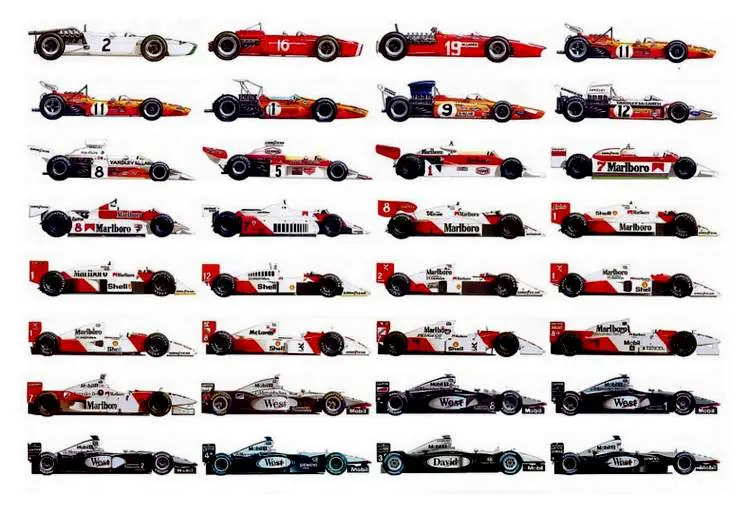
Formula 1 racing has long been at the forefront of automotive innovation, pushing the boundaries of speed, aerodynamics, and engineering.
As we delve into the world of these high-performance machines, we'll explore how Formula 1 cars have evolved over the years and examine the cutting-edge technologies that make them the pinnacle of motorsport.
The Power of Hybrid Technology
The modern Formula 1 car is a marvel of engineering, combining lightweight materials, advanced aerodynamics, and powerful hybrid engines. Teams spend millions of dollars each year developing and refining their vehicles, much like how casino enthusiasts might use a roobet mines calculator to optimize their gaming strategies. The result is a car capable of reaching speeds over 220 mph (354 km/h) and pulling up to 6G in corners, subjecting drivers to extreme physical demands.
Aerodynamics: The Art of Downforce

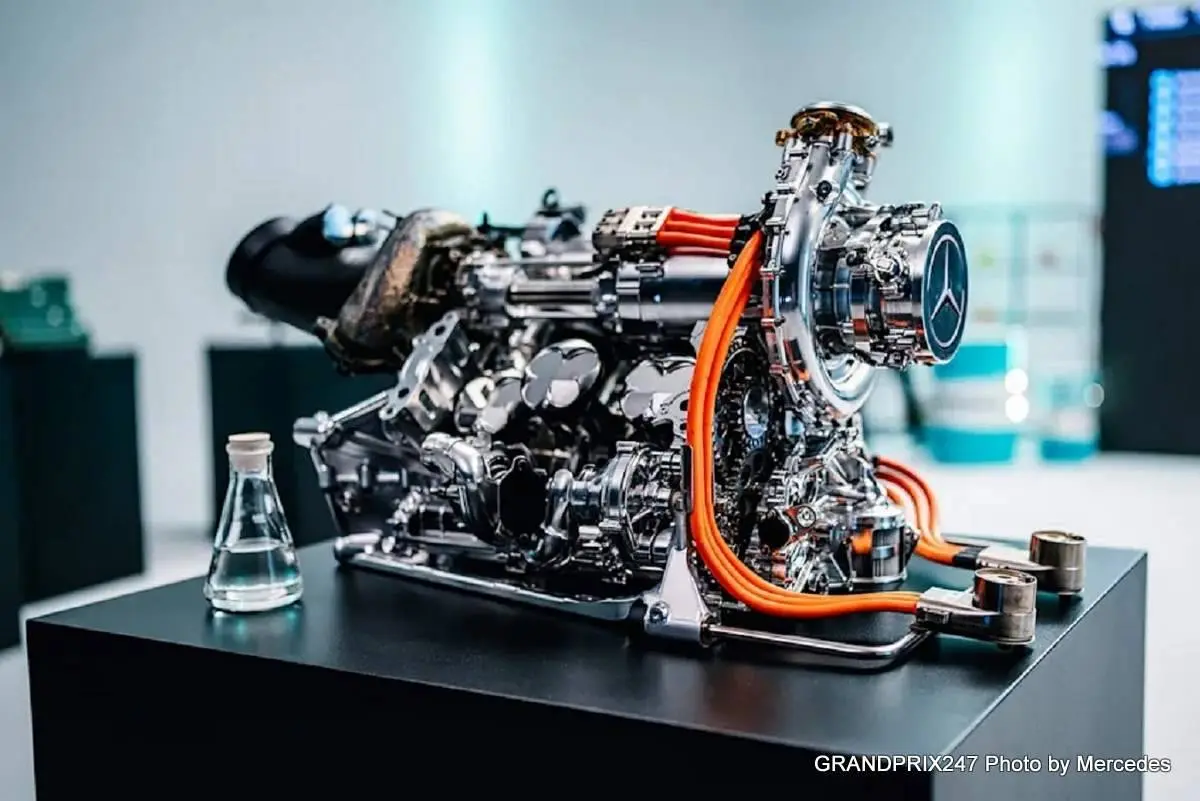
One of the most significant advancements in recent years has been the introduction of hybrid power units. These complex systems combine a turbocharged V6 engine with energy recovery systems, providing both increased power and improved fuel efficiency. The hybrid technology not only enhances performance but also aligns with global efforts to reduce carbon emissions in motorsport.
Aerodynamics play a crucial role in Formula 1 car design. The intricate shapes and surfaces of the car's body are meticulously crafted to manipulate airflow, generating immense downforce that keeps the car glued to the track at high speeds. Front and rear wings, floor designs, and various aero elements are constantly evolving as teams seek to find the perfect balance between straight-line speed and cornering grip.
Enhanced Safety Features
Safety has been another area of significant improvement in Formula 1 car design. The introduction of the halo device in 2018 was initially met with skepticism but has since proven its worth in protecting drivers from potentially fatal accidents. Crash structures, impact-absorbing materials, and advanced restraint systems have all contributed to making the sport safer than ever before.
The Technological Marvel: Steering Wheels

The steering wheel of a modern Formula 1 car is a technological marvel in itself. Far from a simple device to turn the car, it's a compact computer featuring numerous buttons, switches, and rotary dials that allow drivers to adjust various car settings on the fly. From altering brake bias to managing energy deployment, these sophisticated controls give drivers unprecedented control over their machines.
The Importance of Tires
Tires are often referred to as the most important component of a Formula 1 car, and for good reason. The contact patch between the tire and the track is roughly the size of a postcard, yet it's responsible for transferring all the car's power, braking force, and cornering loads. Tire manufacturers work tirelessly to develop compounds that offer the right balance of grip, durability, and performance across a wide range of track conditions.
Advanced Suspension Systems
The suspension system of a Formula 1 car is another area of constant development. Unlike road cars, F1 suspensions are incredibly stiff, designed to keep the car's aerodynamic platform as stable as possible. Advanced materials like carbon fiber and titanium are used to create lightweight yet incredibly strong components that can withstand the extreme forces experienced during a race.
Data Acquisition: The Digital Edge

Data acquisition and telemetry have become integral to Formula 1 racing. Each car is equipped with hundreds of sensors that continuously relay information back to the pit wall and team factories. This real-time data allows engineers to monitor every aspect of the car's performance, from tire temperatures to engine parameters, enabling quick decision-making and strategy adjustments during races.
Cutting-Edge Manufacturing Processes
The manufacturing processes used to create Formula 1 cars are as advanced as the vehicles themselves. Computer-aided design (CAD) and computational fluid dynamics (CFD) allow teams to test and refine designs virtually before ever producing a physical part. 3D printing and advanced composites manufacturing techniques enable the production of complex, lightweight components that would be impossible to create using traditional methods.
A Sustainable Future
As Formula 1 looks to the future, sustainability is becoming an increasingly important focus. The sport has committed to becoming carbon neutral by 2030, driving innovation in sustainable fuels, more efficient power units, and environmentally friendly manufacturing processes. This push for sustainability is not only beneficial for the environment but also drives technological advancements that can eventually trickle down to road cars.
Conclusion: The Pinnacle of Automotive Engineering
In conclusion, Formula 1 cars represent the pinnacle of automotive engineering and design. Their constant evolution pushes the boundaries of what's possible in terms of performance, safety, and efficiency. As we look to the future, it's clear that Formula 1 will continue to be at the forefront of automotive innovation, driving progress that extends far beyond the racetrack. The sport's commitment to technology, safety, and sustainability ensures that Formula 1 cars will remain some of the most fascinating and awe-inspiring machines on the planet for years to come.
Latest News







Loading