Evolution of Formula 1: A High-Speed Journey Through the Years
F1 NewsFriday, 27 December 2024 at 04:55
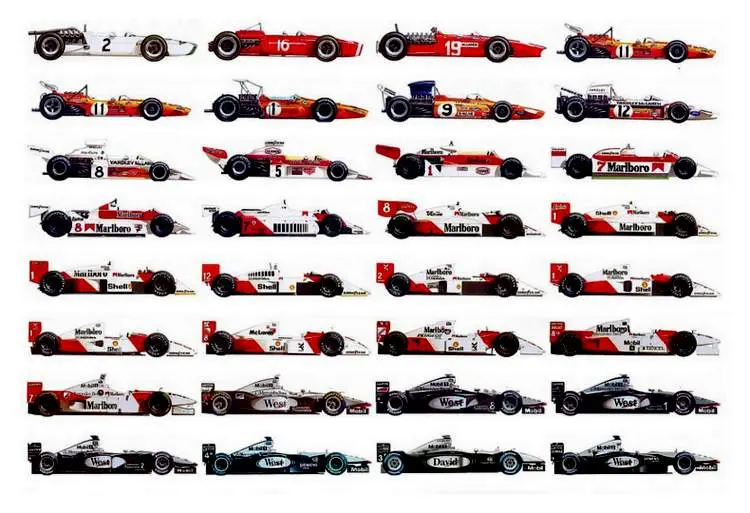
Formula 1, the pinnacle of open-wheel racing, has been captivating audiences for over seven decades. With its rich history, cutting-edge technology, and exceptional driving skills, it's no wonder that F1 has become a global phenomenon.
As fans eagerly await the next Grand Prix, they often find themselves discussing the latest news and rumors on various online platforms, including websites like casinosgossip, where they can stay up-to-date on the latest developments in the world of F1.
From the dominance of legendary teams like Ferrari and Mercedes to the rise of talented young drivers, there's always something exciting happening in the world of Formula 1.
A Brief History of the Sport

The first Formula 1 World Championship was held in 1950, with seven teams competing in six Grands Prix across Europe. The early years of F1 were marked by the dominance of Italian teams, particularly Alfa Romeo and Ferrari, which won the first two championships.
As the sport gained popularity, more teams and drivers joined the fray, and the championship began to expand to other parts of the world. The 1960s and 1970s are often referred to as the "Golden Age" of F1, with legendary drivers like Juan Manuel Fangio, Jim Clark, and Jackie Stewart competing in iconic cars like the Lotus 72 and the Tyrrell 006.
Today, F1 is a global sport, with a massive following and a reputation for being one of the most technologically advanced and competitive forms of motorsport.
The Science of Formula 1

One of the key factors that sets F1 apart from other forms of motorsport is its emphasis on technological innovation. The sport is driven by a constant quest for speed and efficiency, with teams investing vast amounts of time and resources into developing cutting-edge cars and engines.
The current generation of F1 cars is powered by 1.6-liter, turbocharged V6 hybrid power units, which produce over 1,000 horsepower and are capable of reaching speeds of over 360 km/h. The cars themselves are designed to be as aerodynamically efficient as possible, with complex systems of wings, diffusers, and drag reduction systems (DRS) that allow drivers to corner at incredible speeds.
The science behind F1 is fascinating, and teams are constantly pushing the boundaries of what is possible with advanced materials, sophisticated computer simulations, and innovative design solutions.
The Art of Formula 1

While the technical aspects of F1 are undoubtedly impressive, the sport is also an art form. The cars are beautifully designed, with sleek lines, vibrant colors, and intricate details that reflect the personality and style of each team.
The drivers themselves are also artists, using their skills and instincts to coax the maximum performance out of their cars. A good F1 driver needs to have a deep understanding of the car's behavior, as well as the ability to adapt to changing conditions and make split-second decisions on the track.
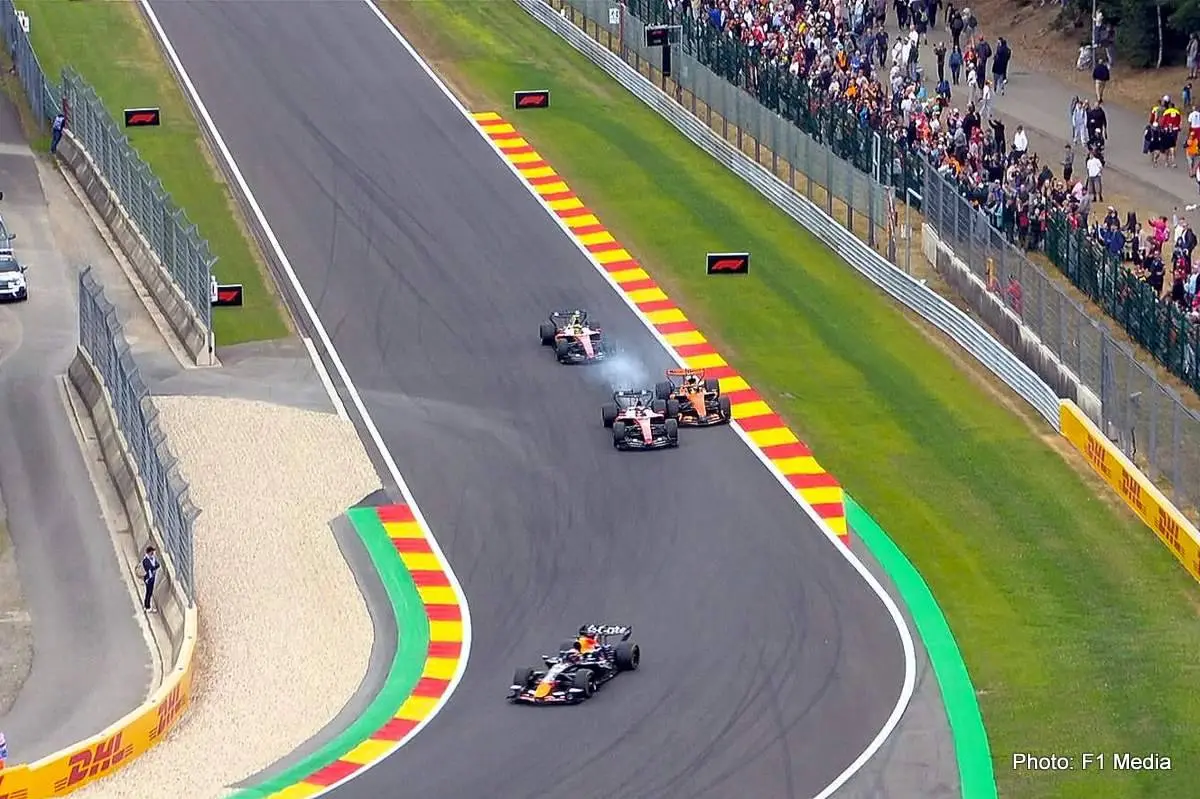
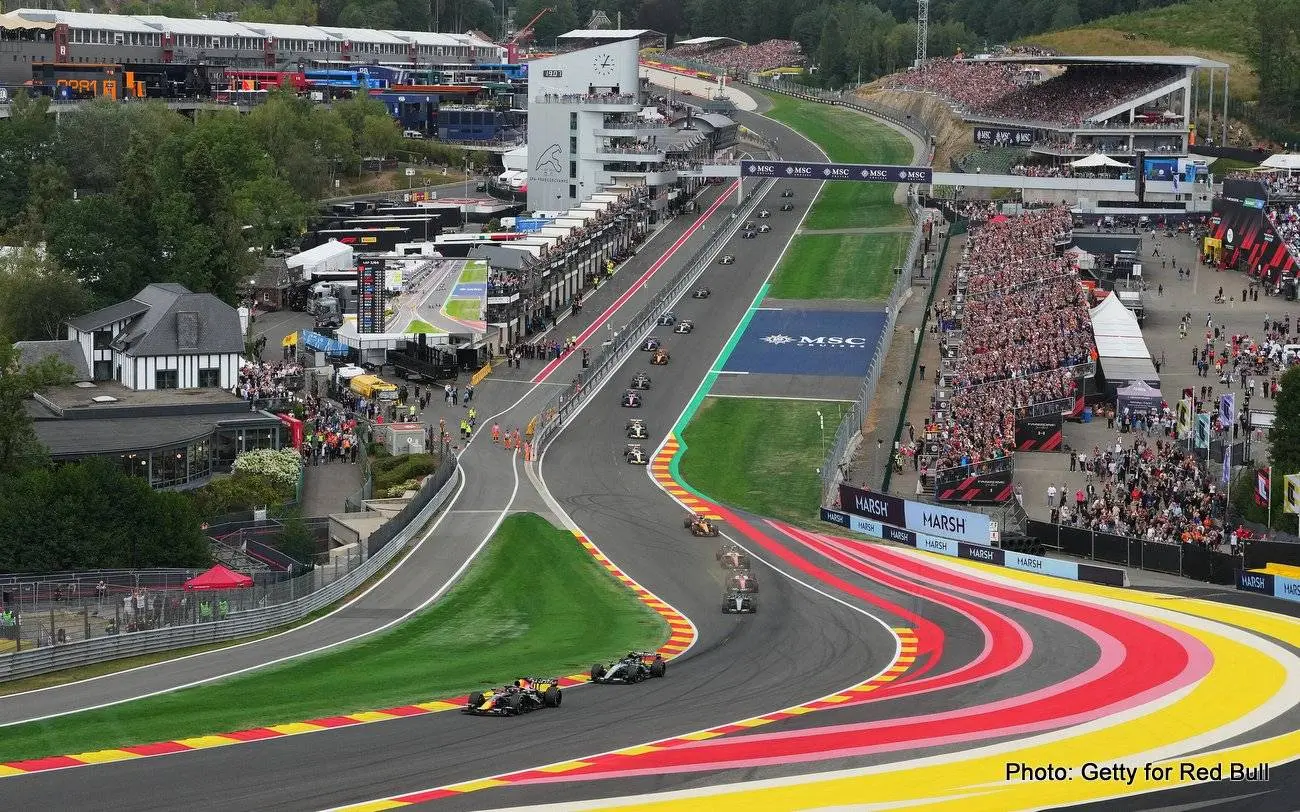
The sport is also deeply rooted in history and tradition, with iconic circuits like Monaco, Silverstone, and Monza providing a unique and challenging backdrop for the drivers to showcase their skills.
The Business of Formula 1

Formula 1 is a multi-billion-dollar industry, with a complex web of teams, sponsors, and stakeholders. The sport is governed by the Fédération Internationale de l'Automobile (FIA), which sets the rules and regulations for the championship.
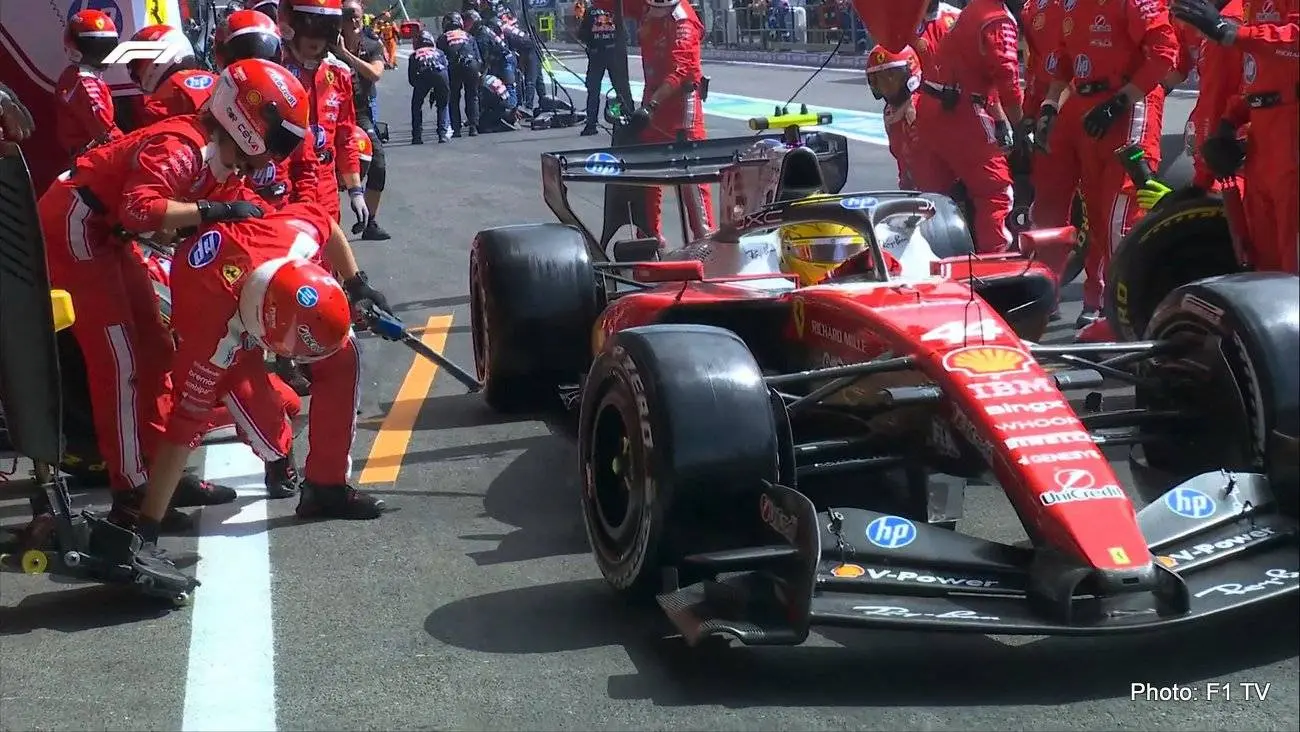
The teams themselves are major businesses, with budgets ranging from tens to hundreds of millions of dollars. The sport is also heavily reliant on sponsorship, with major brands like Red Bull, Mercedes, and Ferrari investing heavily in F1 teams and drivers.
The media rights for F1 are also highly valuable, with broadcasters around the world paying significant sums to show the races and other F1 content.
The Future

As the sport continues to evolve, there are many exciting developments on the horizon. The introduction of new technologies, such as advanced hybrid power units and sophisticated aerodynamic systems, is expected to further increase the performance and efficiency of the cars.
The sport is also becoming more sustainable, with a focus on reducing carbon emissions and promoting environmentally friendly practices. The FIA has set a target of becoming carbon neutral by 2030, and teams are already working on developing more efficient and sustainable engines and fuels.
The future of F1 is also likely to be shaped by the rise of new technologies, such as autonomous vehicles and advanced driver assistance systems, which could potentially revolutionize the sport and open up new opportunities for innovation and growth.
A future packed with excitement for Formula 1
Formula 1 is a sport that is deeply rooted in history and tradition, yet constantly evolving and pushing the boundaries of what is possible. From its humble beginnings to the current high-tech era, F1 has captivated audiences around the world with its unique blend of speed, style, and sophistication.
As the sport continues to grow and develop, it's likely that we'll see even more exciting innovations and developments in the years to come.
Whether you're a seasoned fan or just discovering the thrill of F1, there's never been a better time to get involved and experience the excitement of the world's fastest and most technologically advanced form of motorsport.
Latest News





Loading