In the high-octane world of Formula 1, sponsorship has always been the financial fuel that powers the highest level of motorsport.
However, the landscape of Formula 1 partnerships has undergone a radical transformation in 2025, driven by digital innovation, changing audience demographics, and evolving media consumption habits.
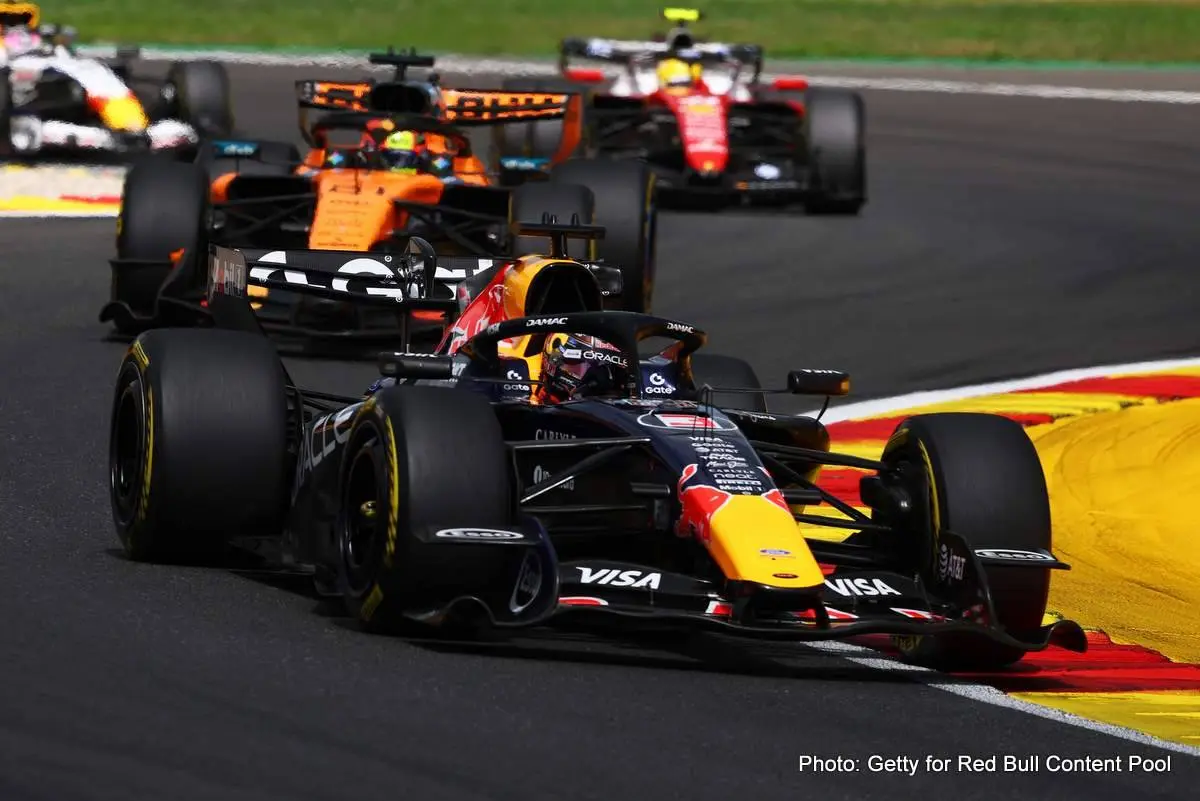
Traditional logo placements on cars and track signage, while still valuable, now represent just one component of increasingly sophisticated digital sponsorship ecosystems.
Beyond the Car: The New Formula 1 Sponsorship Ecosystem
The modern Formula 1 sponsorship package has expanded far beyond the physical assets that dominated previous eras. Today's partnerships encompass a complex digital ecosystem that extends team-sponsor relationships well beyond race weekends and traditional audiences.
"The days when a sponsorship deal meant simply placing a logo on a car and hoping for television exposure are long gone," explains Claire Worthington, Sponsorship Director at Aston Martin F1. "Today's partnerships involve intricate digital activations that engage fans year-round across multiple platforms and create measurable value for both parties."
This evolution has been driven by several factors, including the sport's continued expansion into new markets, particularly the United States and Asia, and the dramatic shift in how younger audiences consume F1 content.
Data-Driven Formula 1 Partnership Valuation

Perhaps the most significant change in F1 sponsorship has been the move toward sophisticated data analytics for partnership valuation and performance measurement. The guesswork that once characterized sponsorship ROI has been replaced by precise attribution models that track engagement across physical and digital touchpoints.
Digital Impression Tracking
Teams now employ advanced image recognition technology that monitors broadcast feeds, social media content, and digital platforms to measure the visibility and engagement of sponsor assets with unprecedented accuracy.
"Five years ago, we could tell sponsors approximately how many seconds their logo appeared on screen during a race," notes Marcus Chen, Head of Digital Partnerships at Williams Racing. "Today, we can provide detailed analytics showing not just visibility but audience demographic breakdowns, engagement rates, sentiment analysis, and conversion metrics across every digital platform."
Fan Engagement Metrics
Beyond mere visibility, teams are now tracking how effectively sponsorship activations drive meaningful engagement with fans—a metric that has become increasingly valuable to partners.
These sophisticated measurement capabilities have fundamentally altered how sponsorship deals are structured, with performance-based components now standard in most contracts. Rather than fixed fees, many partnerships now include variable compensation tied to specific engagement KPIs and digital performance metrics.
Digital-First Activation Strategies

Traditional sponsorship visibility—cars, driver suits, paddock and track signage—remains important but is now supplemented by elaborate digital activation strategies that extend the partnership's reach far beyond race weekends.
Immersive Branded Content
Top-tier teams are now operating essentially as media production companies, creating high-quality branded content in collaboration with sponsors. These range from behind-the-scenes documentaries and technical explainers to lifestyle content featuring drivers and team personalities.
Red Bull Racing's partnership with Oracle has set new standards in this area, with their "Decoded" series providing technical insights into the data science behind F1 performance while showcasing Oracle's cloud computing capabilities in an authentic context that resonates with tech-savvy fans.
Virtual and Augmented Experiences
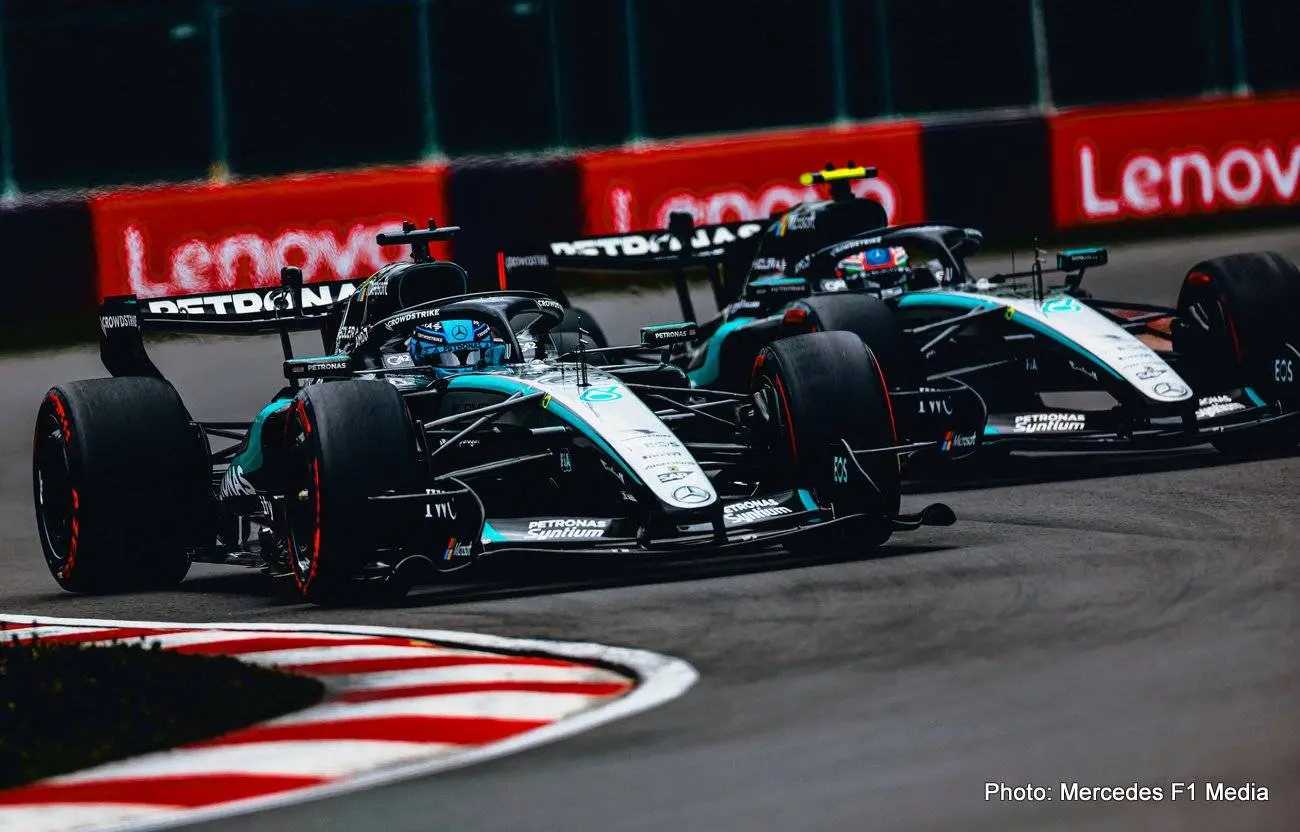
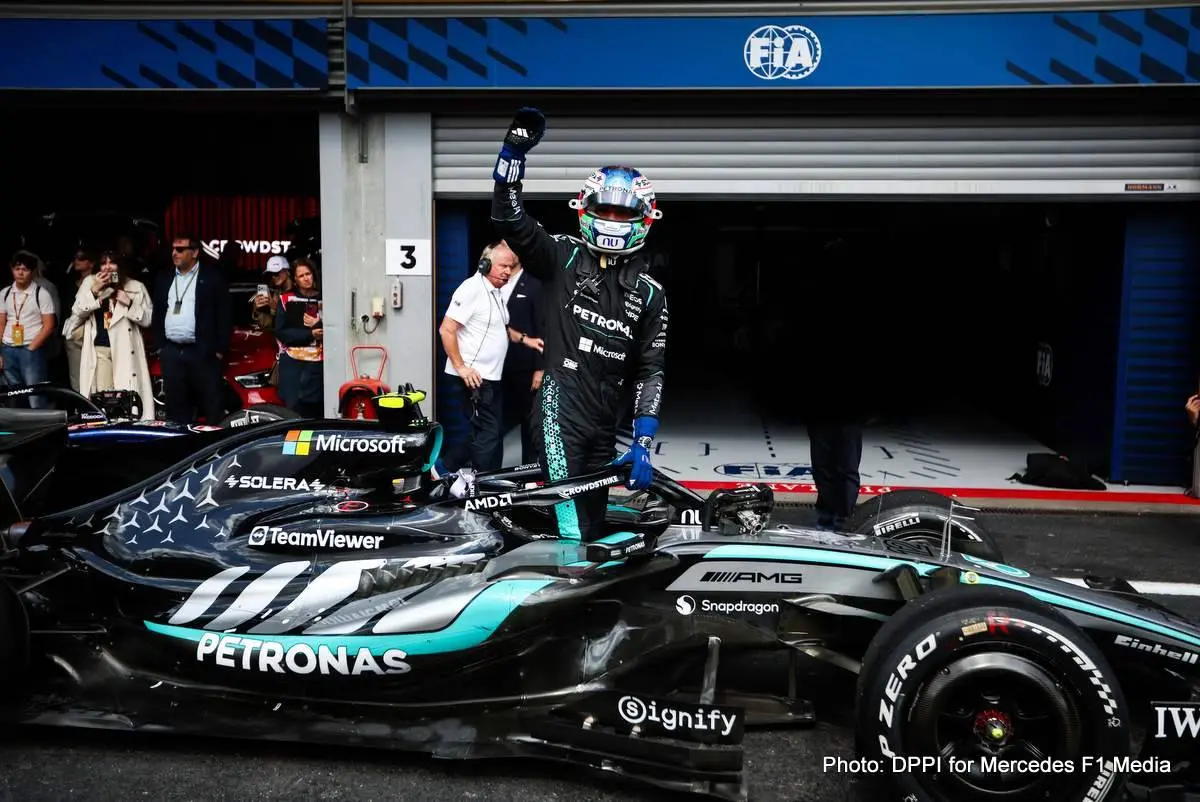
The integration of virtual and augmented reality into sponsorship packages has created entirely new categories of fan experiences. Mercedes-AMG Petronas and Team Principal Toto Wolff recently pioneered a VR experience allowing fans to virtually "sit in" on actual strategy meetings, with INEOS branding subtly integrated throughout the experience.
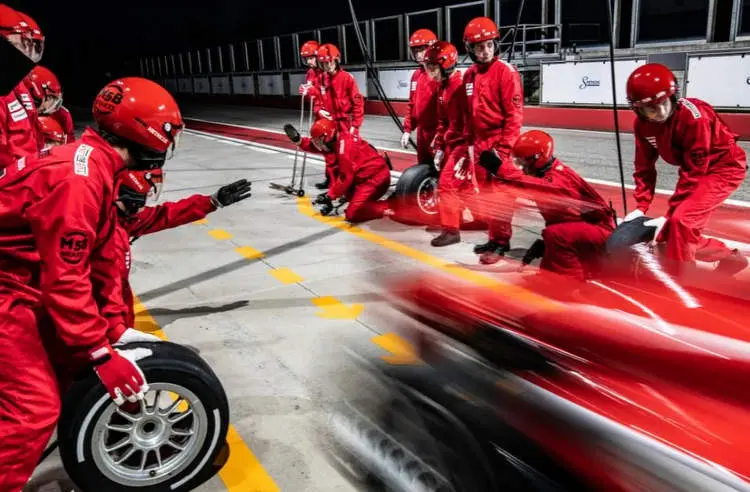
Similarly, Ferrari and partner Shell have developed an augmented reality pit stop challenge that fans can access via smartphones, creating an engaging brand touchpoint while educating users about the technical aspects of F1 racing.
Interactive Digital Platforms
Sponsors are increasingly developing dedicated digital platforms that enhance the fan experience while collecting valuable first-party data. betzoid.com, which partnered with Alpine F1 in early 2025, has created an interactive race analysis platform that offers fans sophisticated data visualizations and predictive race models while incorporating Alpine content and insights from team strategists.
The platform provides fans with a deeper understanding of race strategy decisions and technical performance aspects, enhancing their viewing experience while creating a natural, value-adding environment for the partnership to flourish.
"What makes these digital partnerships work is when they genuinely enhance the fan experience," explains Jacques Laurent, Digital Strategy Director at Alpine F1. "The Betzoid platform gives our fans tools to better understand the strategic elements of races that were previously only available to insiders, which deepens their connection to the sport while creating authentic touchpoints for the partnership."
The Rise of Web3 Sponsorship Assets

Perhaps the most revolutionary development in F1 sponsorship has been the integration of blockchain technology and digital ownership concepts into partnership packages.
NFT and Digital Collectibles
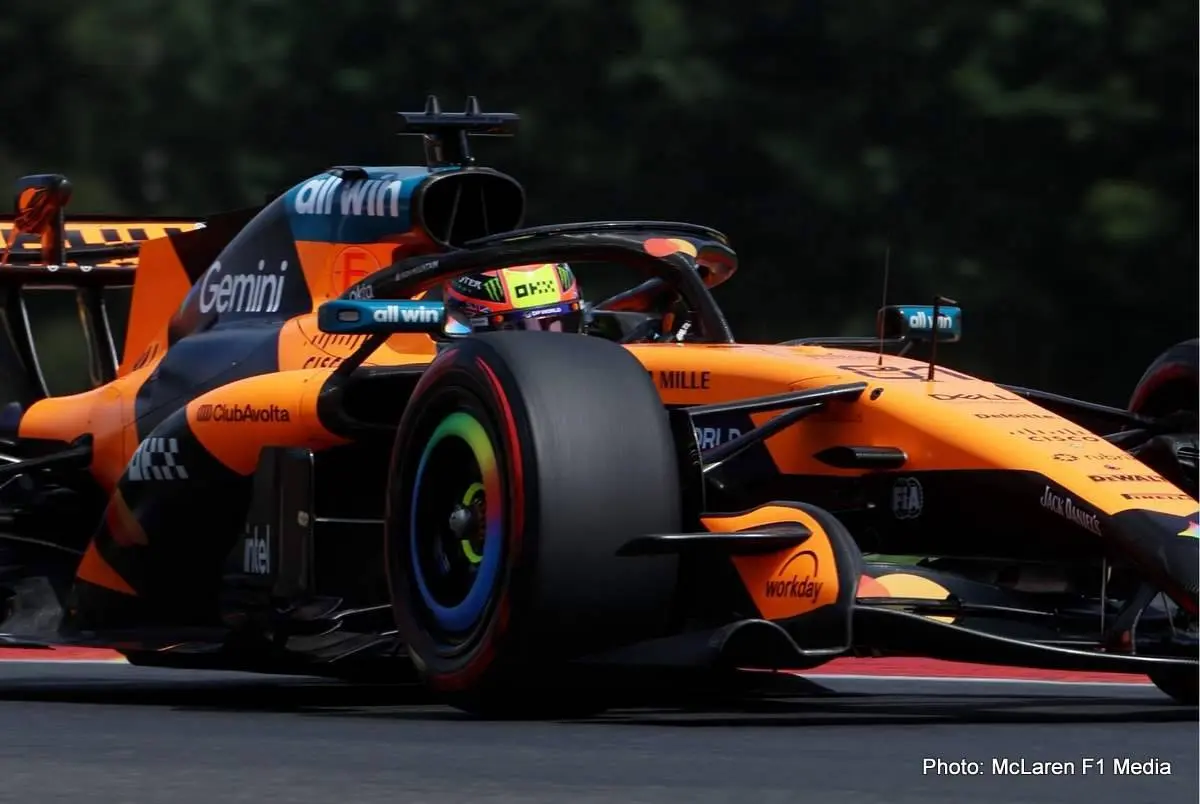
Teams have embraced digital collectibles as both revenue streams and sponsorship assets. McLaren's partnership with Tezos has evolved to include limited edition NFTs that commemorate significant team moments, with co-branded digital collectibles now a standard component of their sponsorship package.
These digital assets often grant owners exclusive benefits in both virtual and physical worlds, creating new avenues for sponsor integration. McLaren's "Platinum Paddock" NFT collection, for instance, provides holders with exclusive access to virtual events with team personnel and drivers, often featuring integrated content from major team sponsors.
Metaverse Presence
As metaverse platforms mature, F1 teams have established persistent virtual environments that serve as year-round activation spaces for sponsors. Ferrari's "Maranello Metaverse" includes dedicated pavilions for major partners, allowing fans to engage with interactive brand experiences regardless of their physical location.
These spaces are particularly valuable for technologically-focused sponsors looking to demonstrate products or capabilities that would be difficult to showcase in traditional formats.
Token-Gated Experiences
Several teams have implemented token-based membership systems that provide escalating tiers of access and benefits while creating new inventory for sponsors. These systems typically offer exclusive content, virtual events, and real-world experiences that can be accessed by holding team-specific digital tokens.
The transparency of blockchain technology has also influenced how sponsorship performance is measured, with some innovative partnerships now using smart contracts that automatically adjust compensation based on verified engagement metrics and performance triggers.
Bridging Physical and Digital Experiences

While digital transformation dominates current trends, the most successful sponsorships create seamless connections between physical and digital brand experiences.
Connected Venue Experiences
At Grand Prix events, sponsors are leveraging connected technologies to bridge the gap between physical presence and digital engagement. Pirelli's "Connected Paddock" initiative uses NFC technology and QR integration to allow fans in hospitality areas to access enhanced digital content about tire strategies and performance simply by scanning physical touchpoints in the environment.
Second-Screen Activations
Recognizing that most fans now watch races with smartphones or tablets at hand, teams and sponsors have developed synchronized second-screen experiences that complement broadcasts. These range from simple augmented broadcast information to complex interactive experiences that respond to on-track events in real-time.
Aston Martin and title sponsor Aramco have pioneered a second-screen experience that provides real-time energy flow visualization from the power unit, creating an engaging way for fans to understand the technical aspects of F1's hybrid technology while highlighting Aramco's energy expertise.
Targeting New Audience Segments

The demographic transformation of Formula 1's audience—driven largely by initiatives like Drive to Survive and expanded social media presence—has created opportunities to target previously underrepresented fan segments.
Female Audience Engagement
With female viewership of F1 increasing by approximately 40% since 2020, teams and sponsors are developing targeted activations for this growing audience segment. Williams Racing and sponsor Umbro launched the first dedicated women's F1 fashion collection in early 2025, supported by a digital campaign featuring female engineers and strategists from the team.
Next Generation Fans
Capturing younger audiences remains a priority, with gaming and esports serving as primary engagement channels. Virtual sponsorship assets within the official F1 game now command significant premiums, with some teams reporting that virtual track signage in gaming environments generates more impressions among certain demographics than physical signage at actual races.
Mercedes-AMG Petronas has taken this concept further by creating a "digital twin" of their garage environment within the F1 game, complete with accurate representations of sponsor branding and interactive elements that mirror the physical environment.
Sustainability Integration
As Formula 1 continues its push toward carbon neutrality, sustainability has become a central theme in sponsorship activations, particularly in digital spaces where environmental initiatives can be showcased without additional carbon impact.
Sauber and green technology partner Carbon Capture Inc. have developed an interactive digital experience that allows fans to track the team's carbon reduction journey in real-time, with detailed breakdowns of how various sustainability initiatives are progressing throughout the season.
These purpose-driven digital activations are proving especially effective at engaging younger fans, for whom environmental concerns are often a priority.
The Challenge of Content Saturation

Despite the expanding opportunities, teams and sponsors face growing challenges with content saturation and attention fragmentation. With ten teams and hundreds of sponsors all competing for fan engagement, creating truly distinctive digital activations has become increasingly difficult.
"The bar for digital sponsorship activation keeps rising," observes social media analyst Elena Rodriguez. "Five years ago, a simple behind-the-scenes video with a driver would generate significant engagement. Today, fans expect immersive, interactive experiences that provide genuine value or entertainment."
This environment has driven a trend toward quality over quantity, with teams and sponsors focusing on fewer but more substantial digital activations rather than continuous content production.
The Future of Formula 1 Sponsorship

Looking ahead, several emerging trends are likely to shape the continued evolution of F1's digital sponsorship landscape:
AI-Generated Personalization
Artificial intelligence is enabling the creation of personalized sponsorship content at scale. Rather than creating one-size-fits-all activations, teams are beginning to develop systems that tailor content and experiences to individual fan preferences, behaviors, and demographics.
McLaren recently tested a system that dynamically adjusted digital advertising creative based on a user's previous engagement with the team, showing technology-focused content to fans who engage with technical posts and lifestyle content to those who follow drivers' personal activities.
Direct-to-Consumer Brand Experiences
The intermediary role traditionally played by media platforms is increasingly being challenged as teams develop their own direct channels to fans. Team apps, websites, and dedicated platforms now offer sponsors direct access to highly engaged audiences without relying on third-party media.
Red Bull Racing's RBR Fan Hub now has over 15 million registered users who have opted to receive content directly from the team, creating a valuable owned audience for both the team and its partners.
Cross-Team Collaborations
Perhaps the most unexpected development has been the emergence of cross-team sponsorship collaborations, where partners with relationships across multiple teams create unified activations that transcend traditional team boundaries.
AWS, which maintains partnerships with Formula 1 itself and several teams, recently launched an integrated digital experience that combines data and insights from across the grid, creating a more comprehensive fan offering than would be possible through a single team relationship.
The Formula 1 Sponsorship Matrix

As Formula 1 sponsorship continues its digital transformation, the most successful partnerships now operate across what marketers call "the sponsorship matrix"—a complex ecosystem of physical assets, digital platforms, content collaborations, data partnerships, and direct-to-consumer channels.
While this environment is undoubtedly more complex than the straightforward logo placements of previous eras, it also offers unprecedented opportunities for authentic integration, genuine fan engagement, and measurable business impact for brands brave enough to embrace the full potential of F1's digital frontier.
For the teams, this evolution represents both challenge and opportunity. Those who can successfully navigate this complex landscape stand to create significant additional value for partners while deepening connections with an expanding global fanbase that increasingly experiences Formula 1 through digital touchpoints. This is a special report for our readers.
Latest News





Loading