The connection between F1 strategy and interactive gaming experiences
F1 NewsSaturday, 27 September 2025 at 01:26
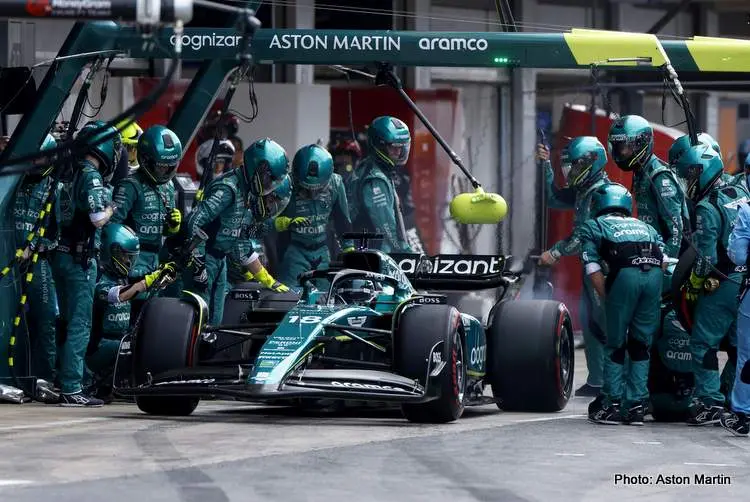
Strategic thinking guides both the split-second decisions on a Formula 1 track and the layered mechanisms within online gambling platforms.
These two worlds, though seemingly distant, share a precision that shapes outcomes. Formula 1 engineers configure race strategies with data-backed clarity, while game developers implement mechanics that respond to timing, variation, and controlled unpredictability. This connection reveals itself most clearly when strategy controls outcome more than chance.
Formula 1 strategy begins long before engines fire up. Engineers test dozens of simulations, mapping out tyre wear, corner speeds, pit windows, and overtaking scenarios. Each decision draws from previous race data, live track updates, and a firm grasp of mechanical limits.
This same type of preparation appears in digital formats where platforms construct environments with options that respond to timing, pacing, and user decision-making.
Mechanical choices and digital levers

A similar structure appears on platforms like Wonaco, where strategic selection guides participation across categories with different characteristics. At Wonaco casino online, this translates into sports betting opportunities ranging from outright championship predictions to individual race markets such as podium finishes, fastest laps, or head-to-head duels.
Adjusting between safer odds on favourites and higher-risk wagers on outsiders, or deciding the right moment to place an in-play bet, reflects the same thinking that shapes a mid-race pit call.
Outcomes remain uncertain in both cases, though the process of deciding where to engage, when to change course, or how to respond to patterns relies on observation and timing. That process mirrors the strategic approach taken on race day, where the track presents fixed challenges and those making the best calls under pressure often secure the best result.
Timing windows and tactical windows

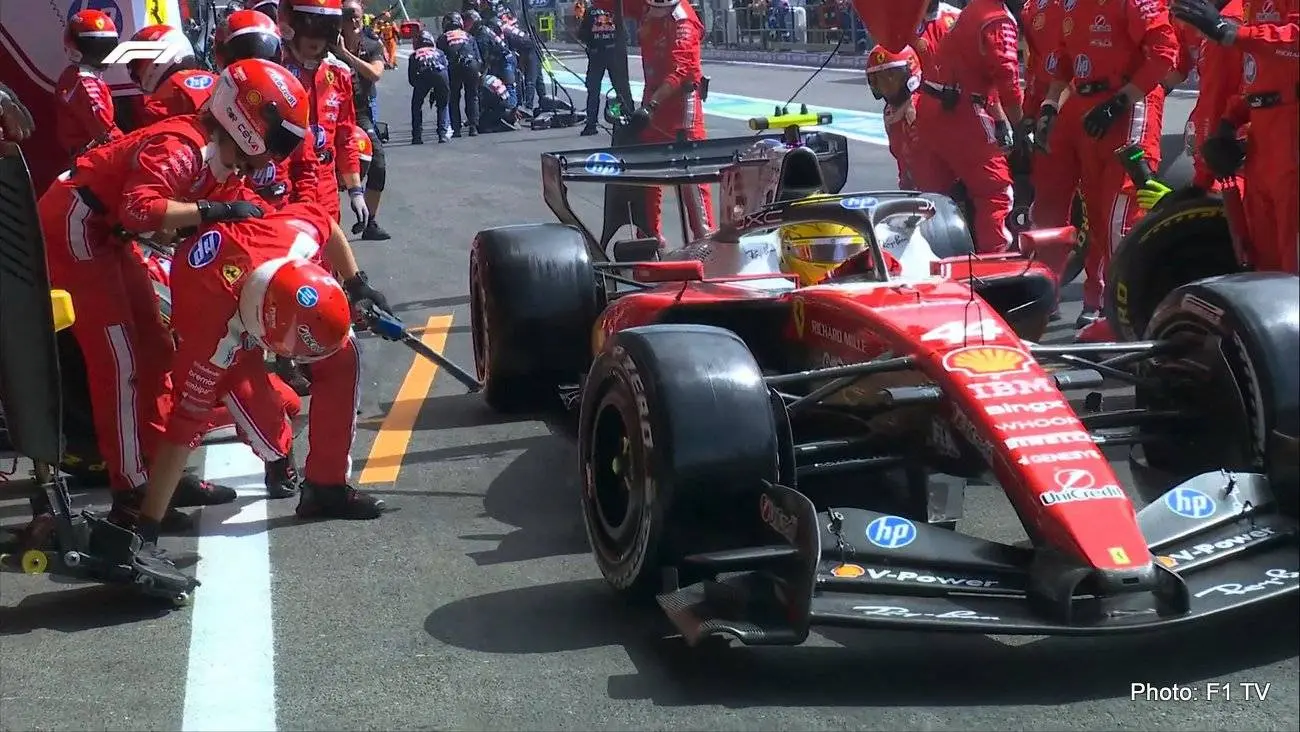
Timing matters in Formula 1 strategy with greater influence than horsepower. Decisions surrounding pit stops fall into windows that fluctuate with track evolution, safety cars, or tyre degradation. Choosing the right lap to change tyres can advance a driver several positions. Delaying a stop might conserve track position temporarily, but risk performance later. It’s this constant push-pull that rewards accurate timing.
Interactive games often reflect this mechanic through features that open during brief windows, such as free spins or bonus rounds that arrive based on prior patterns of play. The user isn’t rewarded for just showing up. Instead, reward stems from sensing the moment to engage, just like a race strategist predicts the lap when the undercut will have the strongest effect.
Those who master these timing decisions understand the broader structure of the game or race. Just as drivers track gaps between cars, game participants often learn how to pace their play across varied rounds or machines with structured volatility.
Design of control systems

Engineers in Formula 1 refine controls so drivers can change settings on the fly. Brake bias, engine mode, differential settings, all adjustable mid-race with immediate effect. The user interface on the steering wheel condenses complex systems into manageable selections. These selections, while small in motion, produce ripple effects in performance.
Interactive platforms structure similar systems beneath the surface. Developers shape user interfaces to prioritise clarity and timing. Button placement, speed of animation, and feedback loops matter. A player chooses how many lines to activate, when to spin, and which features to trigger. The interface encourages fast decision-making while concealing deeper layers of strategic nuance.
Both spaces reward those who learn how to manipulate these systems quickly. Quick reactions serve only part of the equation. The rest comes from intuition built through repetition, understanding the system well enough to predict response before execution.
Strategic depth over spectacle

Every Formula 1 team carries a visible identity, often built around a standout driver or car design. Underneath that surface, though, lies a highly structured machine dedicated to margin management. Races are won through tenths of a second gained in pit stops, fuel mappings, and sector consistency. It is strategy, not spectacle, that delivers victory.
Interactive gaming platforms follow the same formula beneath colourful presentations. The strongest systems are built around maths, design theory, and control logic. Features that look random often follow deliberate pacing. Reward structures aren’t shaped by luck. They mirror reward curves designed to reflect probability, engagement pacing, and player behaviour models.
What links the two worlds most clearly is the presence of decisions made under partial information. Success never arrives from guesswork. It arrives from calculated moves, adapted to conditions, and chosen with confidence. A driver accelerates into a corner trusting the grip will hold. A game participant triggers a feature trusting the timing aligns. Strategy rules both.
Latest News


Loading