The convergence of cutting-edge cryptocurrency technology and the world of Formula 1 is nothing short of exhilarating. As F1 teams continue to seek innovative avenues for growth and development, partnerships with cryptocurrency firms have become increasingly prominent.
Platforms like https://tradeserax.org/ are at the forefront of this dynamic intersection, providing a crypto platform for both enthusiasts and investors to engage with digital assets.
This report delves into the symbiotic relationship between F1 and cryptocurrency, examining how these collaborations propel advancements in technology, finance, and fan engagement to new heights.
Examining the Mechanisms of Crypto-F1 Collaborations
Combining Formula 1 teams with Bitcoin businesses is like blending rocket fuel with high-octane gasoline—both groups accelerate their respective fields. These collaborations go beyond a racing car's logo because of the distinctive qualities of both sectors: the tech-savvy mentality of cryptocurrency enthusiasts and the global fan base of Formula One.
Why do crypto companies choose F1? For starters, F1 races are watched by millions around the world, offering immense exposure. The teams are also highly technical, echoing the innovative spirit of cryptocurrency. But it goes beyond branding. These partnerships can include developing new ways to use blockchain technology for fan engagement, like voting for race strategies or merchandise authenticity.
However, these deals are challenging. The volatile nature of the crypto market can make long-term commitments risky, and regulatory scrutiny in various countries can also impact partnership terms. Despite this, many crypto brands are stepping into the F1 arena, driven by the potential for high returns on investment.
What's in it for the teams? It's clear: financial backing is a huge benefit. With the support of crypto sponsors, teams can fund advanced research and development, which is crucial in a sport where technology can make or break a race. The financial injection also helps in the broader marketing strategies of the teams, enhancing their competitive edge.
Have you ever wondered how these deals are shaping the future of sports sponsorships? With both industries evolving rapidly, their partnership might set a precedent for how emerging tech companies invest in sports. It's an exciting time to watch this space.
Case Studies of Prominent Crypto-F1 Collaborations
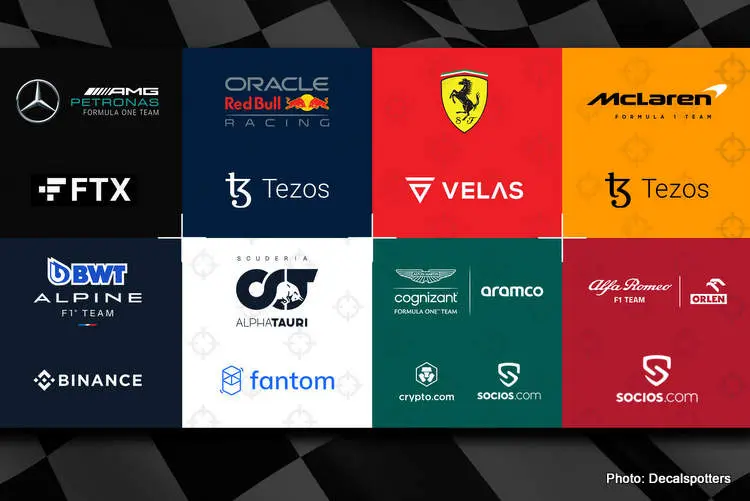
Let's dive into some real-life action with case studies of top crypto-F1 partnerships. Take Crypto.com's partnership with Aston Martin Cognizant Formula One Team. Announced in 2021, this deal wasn't just about brand placement; it was about integrating Crypto.com's tech into fan experiences, highlighting how crypto can enhance the sports spectator experience.
Another notable partnership is between Alfa Romeo Racing and Vauld, a crypto lending platform. This collaboration aimed to bring innovative digital experiences to fans, including exclusive content and behind-the-scenes access, all powered by blockchain.
These collaborations do more than expose logos at high-speed races. They merge two worlds in ways that can fundamentally change fan engagement. Fans can now vote for their favorite driver moments and have a more immersive experience with the team.
Each partnership also serves as a laboratory for what works and what doesn't in the crossover between tech and sports. This is crucial as both industries seek to captivate a younger, more digitally native audience. This is not just about sponsorship; it's about creating a new fan culture.
Financial Anatomy of Crypto Sponsorships
Understanding the financial layers of crypto sponsorships in F1 requires a look at the numbers. Crypto companies often spend millions to get their names on these high-speed machines. But what's the return? Regarding direct visibility, F1 races are broadcast to millions worldwide, significantly boosting brand recognition.
But the benefits aren't just in direct advertising. These sponsorships often include hospitality perks like VIP tickets and exclusive pit tours, which are perfect for impressing potential clients or rewarding employees. Plus, the data collected from global fan engagement helps crypto companies target their market more effectively.
Economically, these deals are usually structured in ways that align the interests of the crypto company with the success of the F1 team. This can include bonuses for wins or championships, making it a high-stakes game on and off the track.
However, teams need to be careful. The financial health of a crypto sponsor can be unpredictable, and a sudden downturn can leave a team scrambling to find new sponsors. This delicate financial dance requires both parties to manage their risks wisely.
Do the returns justify the high costs of these sponsorships? The answer is a resounding yes for many in the crypto space, given the global platform F1 provides.
As the checkered flag waves on our exploration of crypto sponsorships in F1, it's clear these partnerships are more than mere branding exercises. They are reshaping how fans interact with the sport and setting new sports marketing and finance standards.
Latest News





Loading