As the highest level of competitive motorsports, F1 has experienced profound technological changes. With teams constantly seeking the edge needed to win the chequered flag, let’s review the major innovations that have made F1 faster, safer, and more entertaining.
Formula 1 cars are known for achieving speeds of over 300 kilometres per hour and accelerating to 100 kph in under 2 seconds, all while taking tight turns safely. This level of speed and precision has required a significant change in how teams and manufacturers build their cars.
When Formula 1 races started, cars were powered by the familiar front-engine we see in commuter vehicles today. These vehicles have limitations, as they require more hardware to connect a front engine to the rear axle of a rear-wheel or all-wheel-drive vehicle and a bulkier front that isn’t as aerodynamic.
Cars changed gradually in the world of championship racing. The first rear-engined vehicles began to see some success starting in the 1930s, but the racing community remained stubborn. Ferrari founder Enzo Ferrari said a “horse doesn’t push the cart along with its nose” when defending why his world-class race cars had a front powerplant.
The Cooper T51 changed everything

In 1959, the Cooper T51 changed everything, and the first success was associated with a rear-engined vehicle. With Jack Brabham behind the wheel, the T51 won the World Championship of Drivers. The vehicle was extremely fast and agile by 1959 standards because the smaller front end led to faster acceleration, higher straightaway speeds, and more nimble turns.
Today’s Formula 1 vehicles are all rear-engined, and their influence has extended to modern supercars like the Chevrolet Corvette C8.
Drivers and their teams found a strong use for wings after rear-engined cars began to dominate. Wings became popular in 1968 when the Lotus 49B sported a ducktail in the back to generate downforce, providing better grip and stability and making the vehicle easier to turn while achieving higher speeds. Ferrari stepped up and added full-width wings to its car.
Lotus did the same to maintain competition, though their wings tended to break during a race. F1’s governing body would ensure wing safety by enforcing lower wings and additional, small front wings that allowed more airflow.
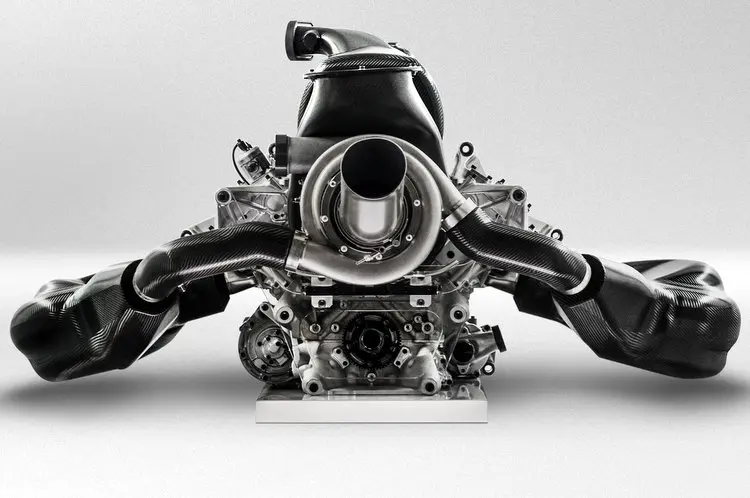
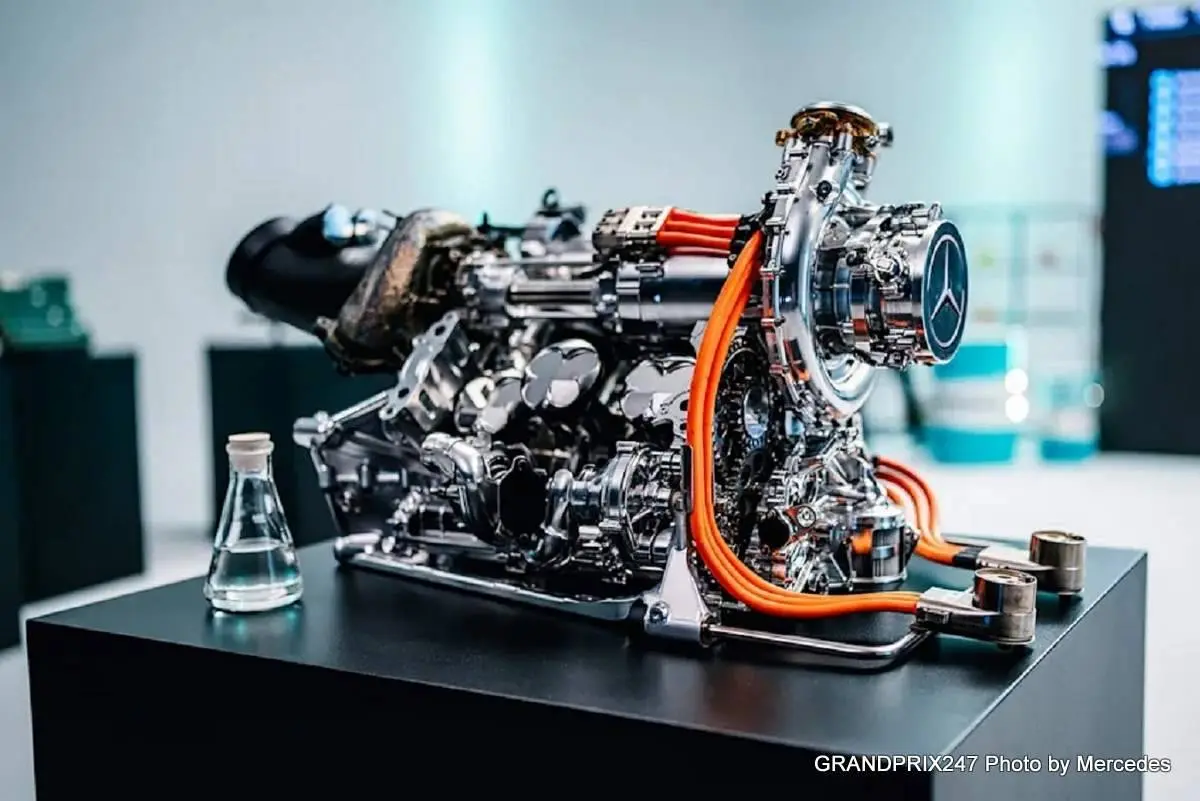
The introduction of rear engines to F1 cars was just the beginning of the sport’s efforts to increase speed and competition. In 1977, turbochargers became more common on the track.
Turbochargers involve fans drawing air into the engine faster and more consistently, resulting in stronger combustion and a higher speed. Renault’s first effort with their RS01 failed to win, as it was too heavy and lagged. The company introduced another turbocharged vehicle at the Le Mans 24 Hours, but this time, it earned a victory.
The first Turbo-era became too expensive for F1 teams

Turbos were banned for a while, starting at the end of 1988, as they were too expensive to continue developing and burned too much fuel. However, the ban was only temporary because turbocharger technology eventually caught up, and the hardware received recognition for better emissions, resulting in the 2014 reinstatement.
When cars race at over 300 kilometres per hour, weight significantly affects steering, acceleration, and fuel efficiency. Aluminium and steel remained dominant materials for making F1 car bodies until the early 1980s, when developments in composite plastics paved the way for carbon fibre to demonstrate its strength when confronting high speeds and potential crashes.
Carbon fibre proved trustworthy to nervous car manufacturers and drivers when racer John Watson lost control of his newly designed car and crashed backwards into a wall, tearing the rear end off. Many viewers immediately thought the worst, but carbon fibre did a good job of absorbing the high-speed impact, and Watson walked away.
Today, the exterior of many passenger vehicles is made of carbon fibre, and some see the Formula One crash as a testimony to the toughness of plastic.
Motorsports provide plenty of entertainment for viewers, with drivers deftly navigating tight turns at high speeds as they push for the best position to pass their competition.
Motorsport and F1 betting

Betting has always been a part of F1 and, more recently, has helped drive viewership and make the pinnacle of racing even more exciting. Bettors can place wagers on winners, lap times, and other prop bets. Some decent online casinos are listed here that offer F1 betting, among many other games.
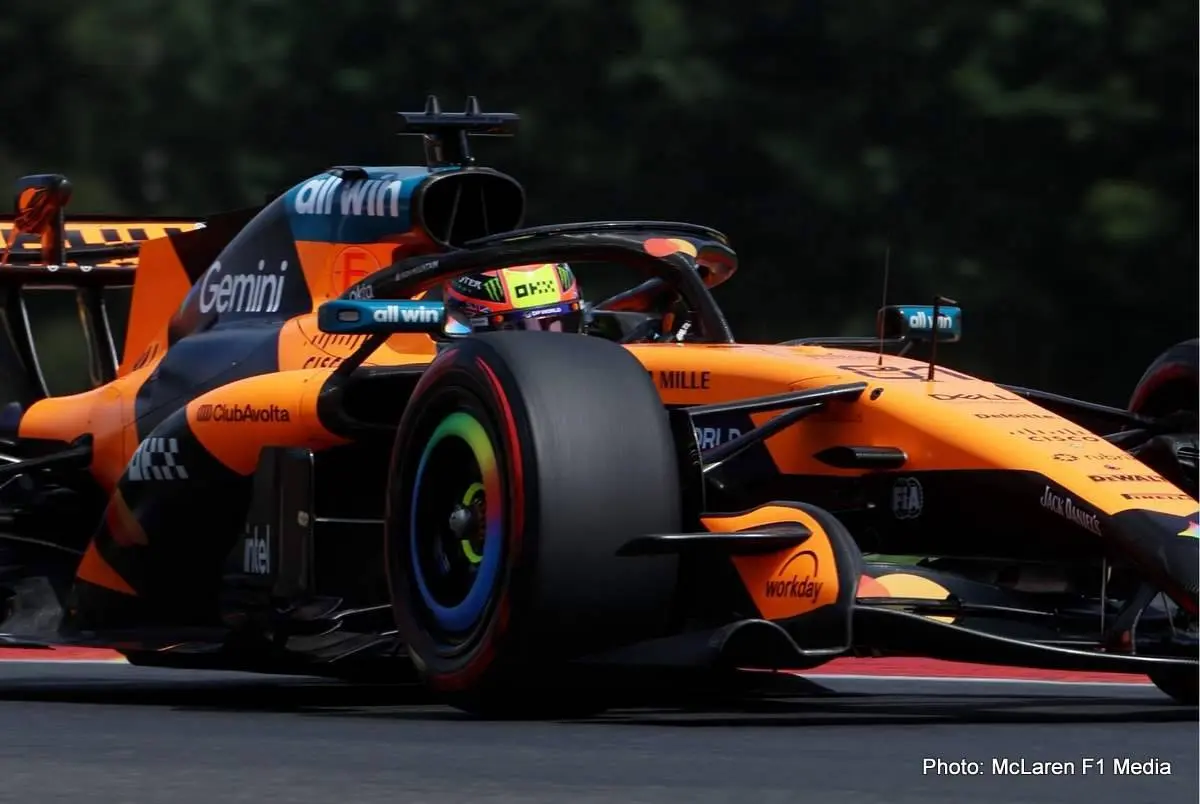
Many innovations we have discussed so far increase speed and efficiency in F1 vehicles, with carbon fibre adding an element of safety. In 2018, Formula One began to require the use of a device mounted around and above the cockpit, which is somewhat affectionately known as a halo.
The particular hardware is made of titanium and intends to protect the driver from flying debris and prevent head contact against the ground in the event their vehicle flips.
Although the concept wasn’t especially popular upon its introduction, it has proven time and again to provide the valuable protection drivers need to avoid injury.
Cars have changed radically in the last century. Formula 1 is no exception, with technology helping to make some of the fastest vehicles in the world go faster and turn tighter while maintaining the safety drivers and viewers require. These innovations have led more people to celebrate F1 as the most exciting motorsport around today.
Latest News





Loading