Speed is an obsession. Whether on land or water, engineers push limits to shave off milliseconds. But which racing machine dominates?
The answer depends on factors beyond just raw power. Aerodynamics, weight, and track conditions play a huge role in determining maximum speed. To understand how these elements interact, we compare three of the fastest racing vehicles: Formula 1 cars, MotoGP bikes, and speedboats.
For those who thrive on high-stakes action, watching motorsports isn't always enough. Some prefer to turn knowledge into opportunity. Platforms like Katanaspin casino let enthusiasts engage deeper, testing their predictions on the outcome of high-speed battles.
Formula 1: Engineering Perfection on Four Wheels

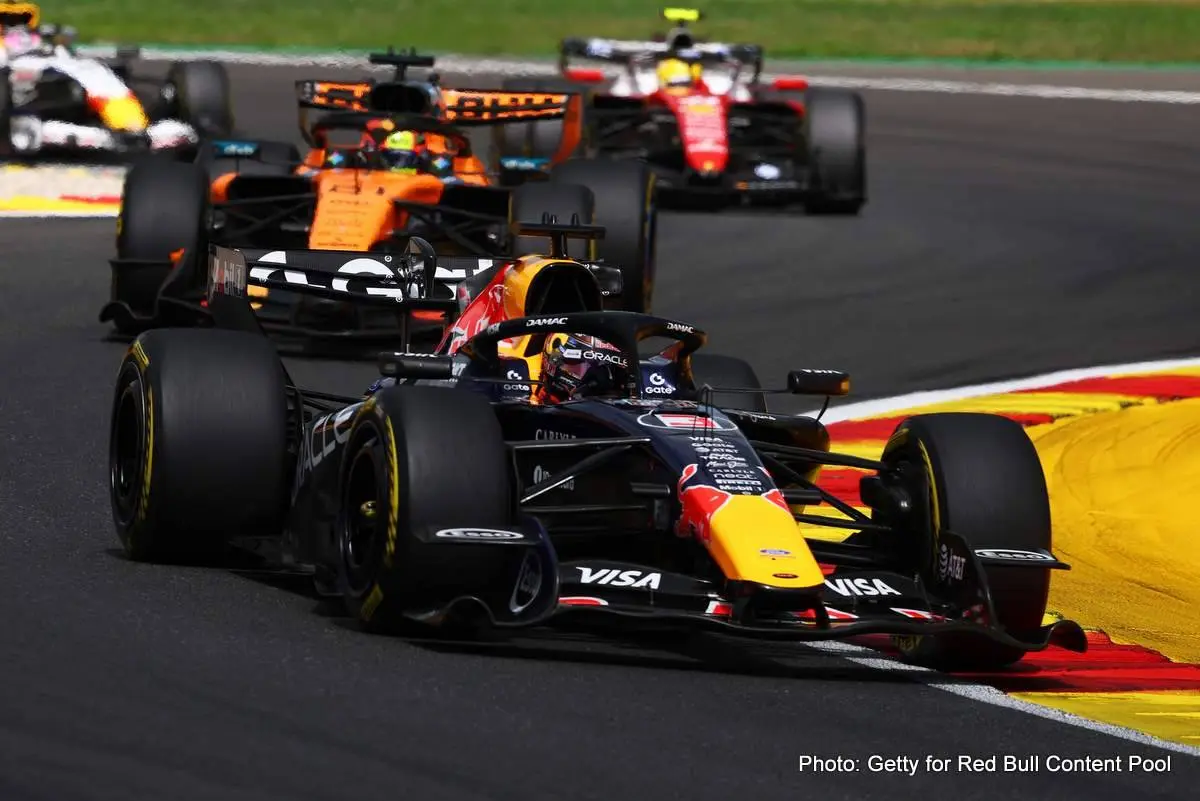
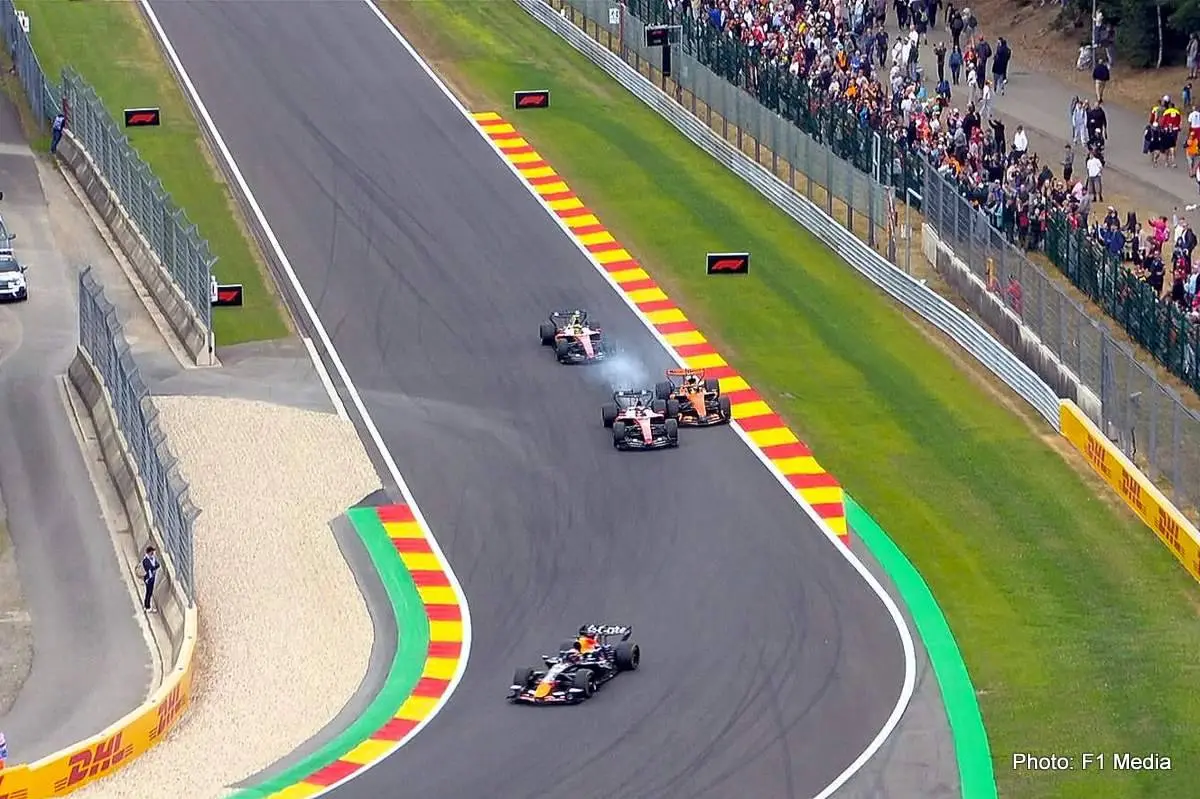
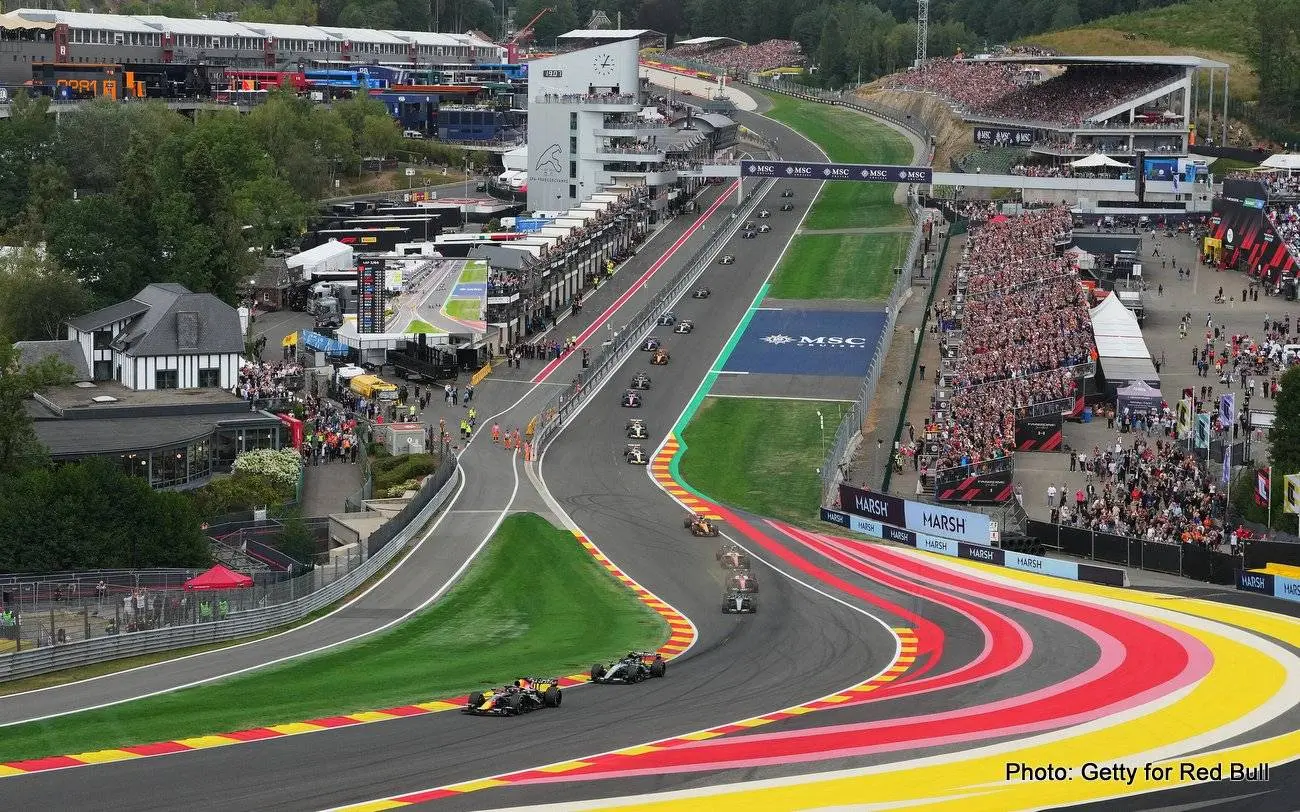
F1 cars are technological masterpieces. Their power comes from turbo-hybrid engines that deliver around 1,000 horsepower. Weighing just 798 kg (including the driver), these machines achieve a top speed of 360 km/h (223 mph).
But it's not just about speed. Aerodynamics dictate everything in F1. The downforce generated by wings and diffusers keeps the car glued to the asphalt, allowing it to take corners at over 250 km/h. Here’s what makes an F1 car brutally fast:
- Power-to-weight ratio: A perfect blend of lightweight materials like carbon fibre and a compact yet powerful engine.
- DRS (Drag Reduction System): Opens a flap on the rear wing, reducing drag and increasing straight-line speed.
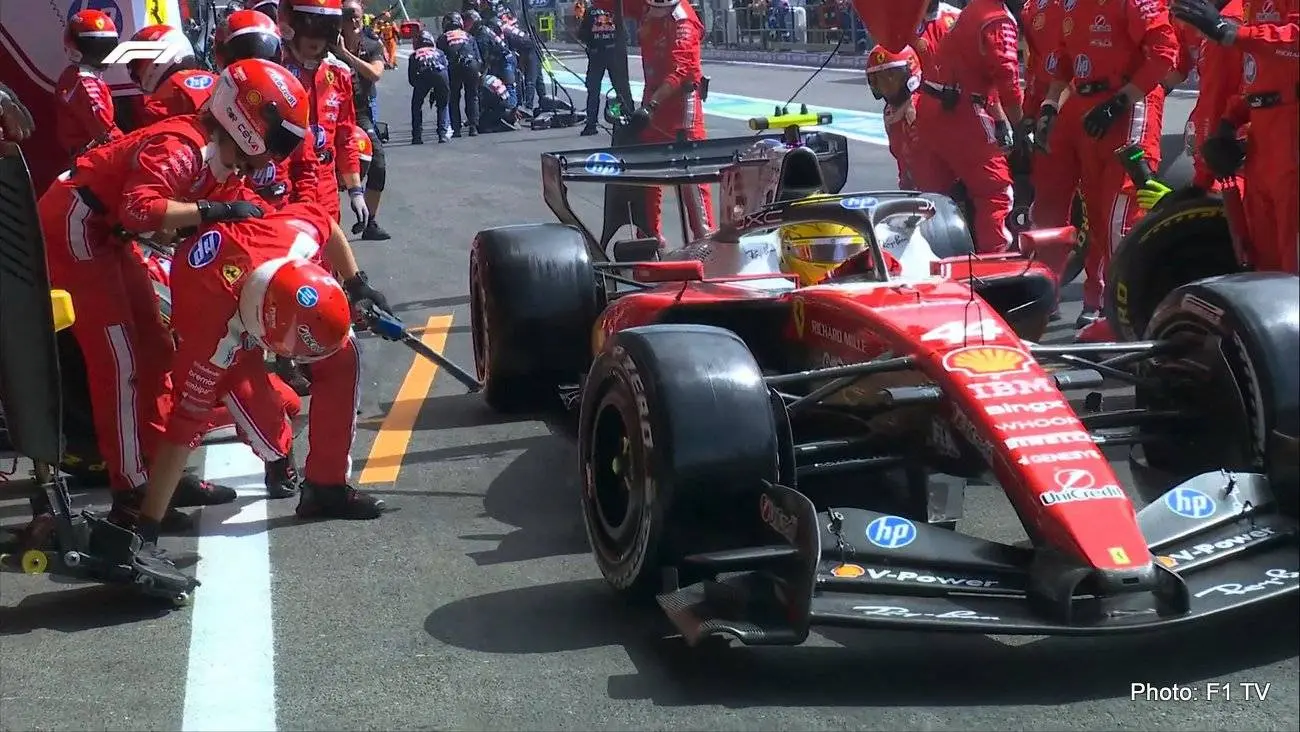
- Tyres: Soft compound tyres provide extreme grip but degrade quickly, adding a tactical element to races.
These cars are unmatched in acceleration. A Formula 1 car reaches 100 km/h in just 2.6 seconds, thanks to instant torque and supreme traction.
MotoGP: The Rawest Form of Speed

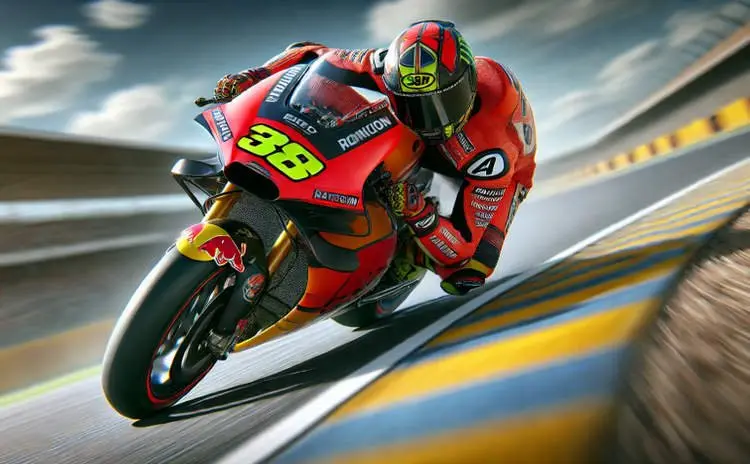
Two wheels, one rider, and a machine built purely for racing. MotoGP bikes are lighter and more agile than F1 cars, but they demand extreme skill. Weighing around 157 kg, with engines pushing 270 horsepower, these motorcycles can exceed 362.4 km/h (225.2 mph)—a record set by Jorge Martín in 2022.
What separates MotoGP from F1 is the rider’s role. Unlike F1 drivers enclosed in a cockpit, a rider moves their body to control balance, aerodynamics, and cornering speed. Key factors influencing performance include:
- Rider position: Shifting weight to maintain grip and stability.
- Electronics: Traction control, anti-wheelie systems, and launch control.
- Braking force: Carbon brakes allow rapid deceleration, cutting speed from 300 km/h to 100 km/h in just 5 seconds.
On tight circuits, bikes often outmaneuver F1 cars due to their agility, but on long straights, aerodynamics limit their top-end speed.
Speedboats: Racing on Water with No Grip

Water introduces a different challenge. Unlike asphalt, which offers friction, water constantly shifts. Speedboats need raw power to counteract drag. The fastest speedboat ever recorded hit 511 km/h (317 mph), though competitive racing boats max out around 250 km/h (155 mph).
Unlike land vehicles, which rely on aerodynamics for stability, speedboats use hull design and hydroplanes to reduce water resistance. Key aspects of high-speed boating include:
- Engine power: Many top-class racing boats run twin 1,500+ horsepower engines.
- Propeller design: Affects how efficiently the boat converts power into thrust.
- Water conditions: Waves and currents drastically alter handling and top speed.
Speedboats offer a unique challenge—drivers must balance power with control, reacting instantly to unpredictable conditions.
Where’s the Highest Speed?

If pure speed is the measure, F1 and MotoGP are close, but neither touches the extreme top speeds of offshore powerboats. However, looking at competitive racing speeds:
- Formula 1: 360 km/h (223 mph)
- MotoGP: 362 km/h (225 mph)
- Speedboats: 250 km/h (155 mph) in official races
Speedboats reach the highest speeds in straight-line runs, but when it comes to racing conditions, MotoGP bikes have the edge over F1 cars by a slight margin. However, F1 dominates on technical circuits, where downforce and cornering ability make up for lower top speeds.
What Defines the Fastest?

Speed alone doesn’t determine performance. Each machine is built for a specific environment, with unique strengths:
- F1 excels in aerodynamics and acceleration. The Mercedes-AMG W11, for example, recorded an unofficial speed of 5 km/h (231.5 mph) in testing, thanks to its finely tuned hybrid power unit and aggressive aerodynamics.
- MotoGP bikes offer agility and unmatched rider control. The Ducati Desmosedici GP22 is one of the fastest, regularly exceeding 360 km/h (223.7 mph) on long straights, but its handling and braking define race success.
- Speedboats push sheer velocity but lack grip and handling. The Spirit of Australia remains the fastest watercraft ever built, hitting speeds no land vehicle has matched in an official setting.
Each type of racing machine has its own advantages, making it impossible to declare one as the absolute fastest. Whether it's the precision of F1, the adrenaline of MotoGP, or the raw power of speedboats, the thrill of speed remains universal.
Latest News


Loading