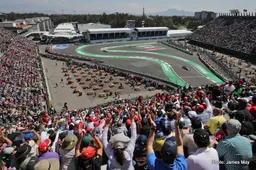
Motorsport is a very exciting and with attention paid to the racing and what we see live, where the main factors that determine success are speed, accuracy and reliability.
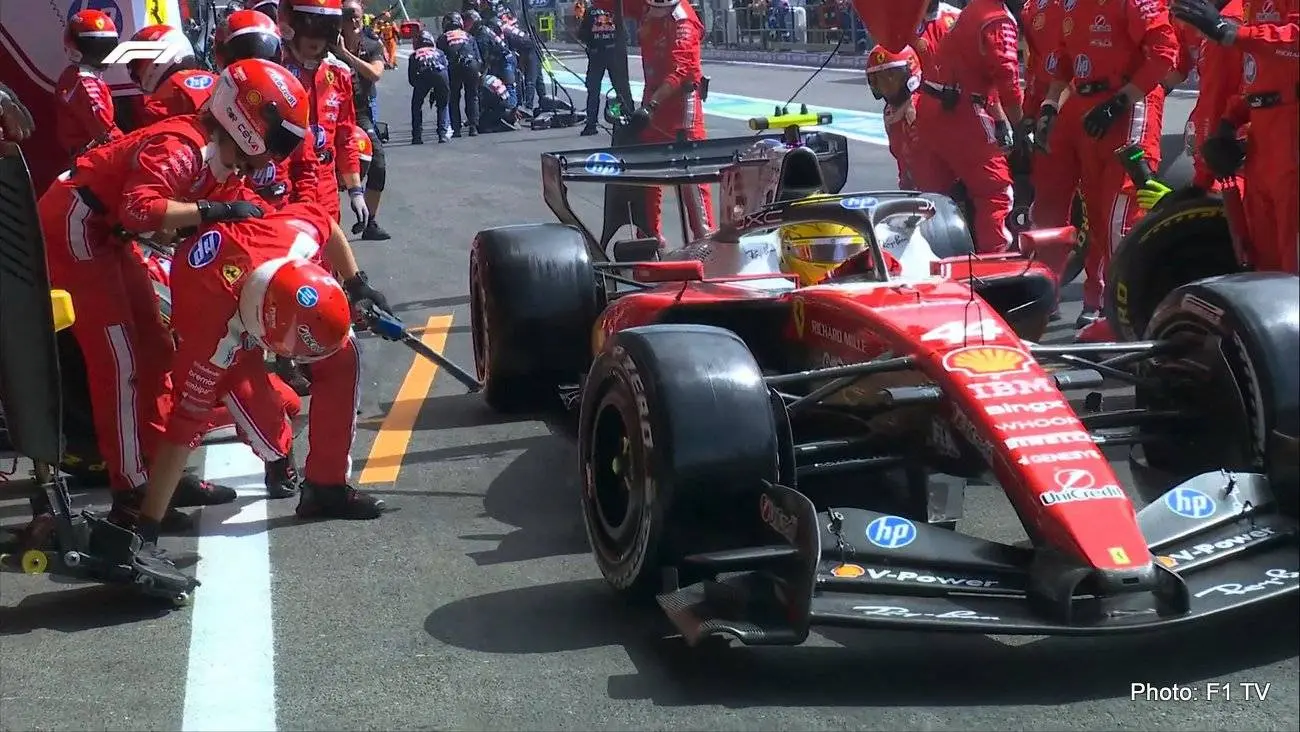
While racing and motorsport fans are fascinated by high-speed battles, there is a meticulous and highly developed backstage process that ensures a peak performance for every operated vehicle. From Logistics to Parts Supply.
The existence of racing teams is also due to the fleet management, maintenance and supply of new parts. The role of the ecosystem behind the scenes of the major brands like Mercedes-Benz, Toyota, Ford and others in the reliability and success of motorsport is crucial.
The Backbone of Racing: Fleet Management in Motorsport
The administration of a fleet in motorsport is a highly strategic operation that deals with the management of race cars, transport vehicles and support equipment among other things. Motorsport fleet management is different from the general fleet management where the latter focuses on logistics and fuel economy while the former focuses on performance, safety and regulatory compliance.
Logistics and Transportation
Companies like Mercedes-AMG Petronas Formula One Team have dedicated logistics teams, which have to plan every detail, ensuring that cars and components will arrive to a race in perfect condition. A strategic planning minimizes delays and optimizes logistic efficiency whether it is by air, sea or land.
Toyota is well known for its participation in endurance racing and rally championships, the racing logistic team meticulously organizes its fleet movements to ensure seamless transitions between events. Their fleet managers use tracking systems and predictive analytics that allow them ensure timely deliveries and reduce logistical challenges.
Data-Driven Performance Monitoring
This system looks at how the use of data analysis is applied in the improvement of a modern motorsport’s fleet performance. Telemetry systems give real time information on those parameters such as speed, tire condition and engine temperature among others.
For example, Ford, which is one of the largest participants in NASCAR and endurance racing, uses the latest technologies to monitor the car’s behavior and make setup’s change according to a situation. This approach allows to prevent breakdowns and improve the vehicles’ reliability during a race.
Maintenance: To guarantee the best performance and safety standards.
Routine and preventive maintenance are critical in relation to a race car and its performance. Because race cars are subjected to very high levels of stress, they require special maintenance to be able to withstand a racing's pressure.
Pre-Race and Post-Race Maintenance Protocols
Before the start of the race, the engineers and mechanics do the following inspections:
- Engine diagnostics: Ensuring optimal fuel-air mixture and tuning for maximum efficiency.
- Suspension calibration: Adjusting dampers and springs for track-specific conditions.
- Aerodynamic testing: Checking wind tunnel data and optimizing bodywork for minimal drag.
- Brake inspections: Ensuring rotors and calipers can withstand extreme heat and friction.
After a race, cars are stripped down and every part of a car is checked for wear and damage. For example, Mercedes-AMG’s Formula One team dismantles and rebuilds their power units many times during the season to optimize on peak performance.
Predictive Maintenance with AI
Artificial Intelligence’s use in motorsport maintenance has changed the way of vehicle service, as it can notify management when a part is likely to fail before it actually happens. It is possible to embed sensors in race cars for stress points monitoring and, thus, replace the parts before the failure.
Toyota’s World Endurance Championship (WEC) team uses AI-driven analytics to evaluate the condition of the components, which is decreasing the chance of mechanical failure during a race.
The Importance of Genuine Parts and Reliable Supply Chains
One of the most critical aspects of motorsport reliability is the use of genuine parts. Every component, from engine bearings to aerodynamic wings, must meet stringent quality standards to ensure peak performance and driver safety.
Genuine vs. Aftermarket Parts
Using genuine parts from original manufacturers guarantees compatibility, longevity and performance. Genuine parts are likely more expensive than other aftermarket parts, but they are precisely made to meet the requirements of motorsport while counterfeit parts are not. In racing, where milliseconds are at stake, weak or poor quality parts can become very costly and lead to the difference between victory and failure.
Supply Chain Management in Motorsport
Due to rapid technological advancements and the need for quick parts replacements in motorsport, a consistent managing and efficient parts supply chain is a challenge.
Most racing teams have established working relationships with their suppliers to ensure that they get their requirements on time.
- Just-In-Time (JIT) Manufacturing: Most of the teams employ the help of JIT strategies in order to cut down on inventory costs and yet have all the important parts and materials available for the races.
- 3D Printing and Rapid Prototyping: Ford Performance employs 3D printing to create and examine components in order to enhance the development process and reduce the time taken.
- Strategic Warehousing: Toyota’s racing division has its own depots near the racing tracks to be able to supply the team with spare parts quickly.
Case Studies of Major Manufacturers in Motorsport
Mercedes-Benz: The best engineering practices in Formula One
Mercedes-Benz has been a leader in Formula One engineering regarding hybrid engine technology and aerodynamics. This is possible because they practice a very strict fleet management and maintenance where every component in their cars is thoroughly tested. The high-quality genuine parts and components used by the Mercedes-AMG Petronas racing team have greatly contributed to their past successes.
Toyota: The company specialized in endurance racing
Toyota has been very successful in endurance motorsport, including the 24 hours of Le Mans.
Toyota’s racing concept is built around the concept of reliability rather than speed, which means that fleet management and part strength are crucial. Endurance racing by Toyota, for example, is evident from their Hybrid System, which proves their concern with efficiency and sustainability through the strict testing of their cars’ ability to last through grueling races.
Original parts are an important factor in a vehicle’s performance, quality and reliability. For all your Toyota genuine parts supply needs, look no further than https://sts-global.com/toyota-parts.
Ford: American Muscle in Motorsport
Ford’s involvement in NASCAR, rallying and endurance racing shows the company’s commitment to performance and improvement.
Their fleet management includes numerous pre-race simulations and track tests. Ford’s development of the Mustang GT3 for endurance racing shows their focus on high-reliability components and sound engineering.
Conclusion: The Unsung Heroes of Motorsport
The show of motorsport is built on the foundation of great fleet management, strict maintenance and a dependable parts supply. The spotlight is on the drivers and their cars, but it is the precise backend work of management and mechanic teams that guarantees success on race day. It would be a very uncertain and not nearly as exciting sport if it wasn’t for these intricate backstage operations.
The backstage life of racing will continue to change with new technologies like AI for maintenance, better logistics, and new materials in relation to the future of the sport. No matter the type of racing such as Formula One, endurance racing or rallying being under consideration, reliability and efficiency are crucial and this is evidence that motorsport is as much about engineering as it is about speed.
Latest News






Loading