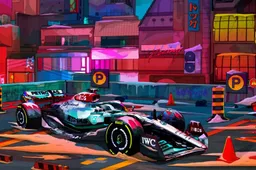
The Allure of the Fast Lane: A Look at the Business of Formula One
F1 NewsMonday, 16 September 2024 at 01:10
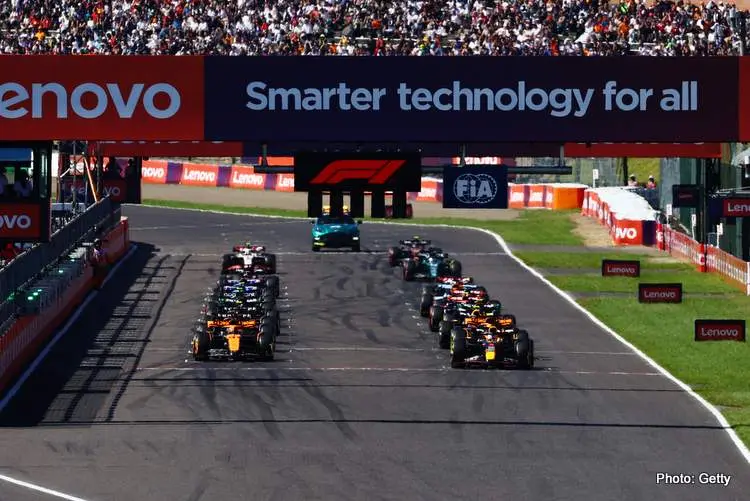
Formula One, often abbreviated as F1, isn't just the pinnacle of motorsport; it's a multi-billion dollar business empire that enthralls millions of fans worldwide.
The roar of the engines, the strategic pit stops, the heart-stopping wheel-to-wheel battles – it's a cocktail of adrenaline and precision that leaves audiences on the edge of their seats.
But beyond the racetrack, there's a complex web of finance, technology, and logistics that keeps the F1 juggernaut rolling.
The Teams: A Balancing Act of Performance and Profit
At the heart of F1 lie the teams, each vying for glory on the racetrack and a slice of the lucrative commercial pie. These high-tech outfits are responsible for designing, building, and running the cars – marvels of engineering that push the boundaries of speed and efficiency.
From the sleek aerodynamic design to the intricate power units, every component is meticulously crafted for peak performance.
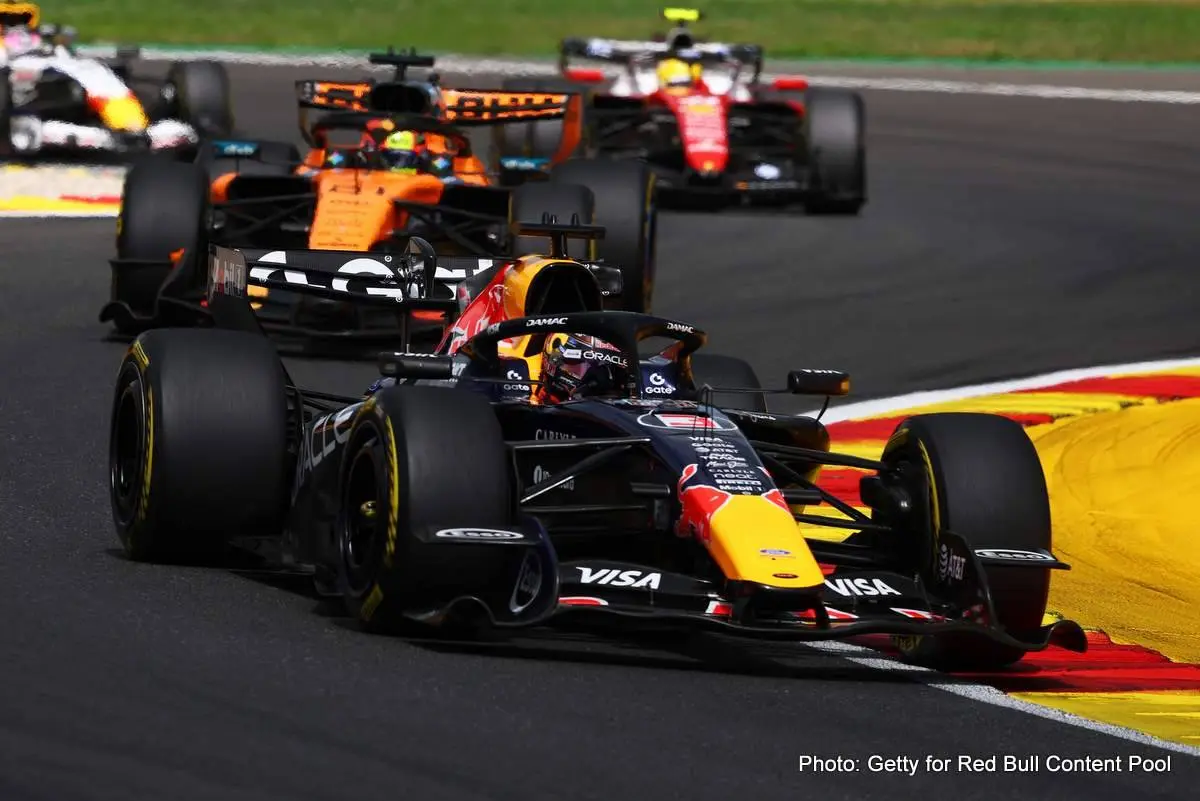
However, success in F1 isn't just about having the fastest car. Teams need to be financially astute as well. Sponsorships form a major source of income, with global brands vying for a place on the coveted real estate of the cars and driver overalls.
Additionally, F1 itself distributes prize money based on a team's finishing position in the championship, creating a strong incentive to compete at the highest level.
No Verification Casinos and the Evolving Landscape of F1 Sponsorship
Traditionally, F1 sponsorships were dominated by tobacco giants and automotive companies. However, recent years have seen a shift, with the arrival of new players like cryptocurrency exchanges and no verification casinos. While this influx of fresh capital has boosted F1's finances, it has also raised concerns about the sport's image.
Critics argue that such sponsorships normalize activities that can be risky or addictive. F1, however, maintains that stricter regulations and responsible advertising practices can mitigate these concerns.
The F1 Business Model: A Balancing Act Between Tradition and Innovation
Formula One's business model is a fascinating blend of tradition and innovation. On one hand, it retains the allure of a historic motorsport event, steeped in heritage and prestige.
On the other hand, it embraces cutting-edge technology, from the sophisticated power units to the data-driven strategies employed by teams. This blend allows F1 to cater to a diverse audience – from purists who appreciate the sport's rich history to tech-savvy fans who crave the thrill of high-performance engineering.
The Global Reach of F1: A Marketing Marvel
Formula One boasts a truly global audience, with races held across five continents. This international appeal makes it a goldmine for brands looking to expand their reach.
From established luxury brands to emerging tech companies, F1 offers a platform to showcase their products and services to a massive and affluent audience. The glamour associated with the sport also adds a touch of prestige to any brand associated with it.
Technological Advancements: The Future of F1
Technology continues to play a pivotal role in shaping the future of F1. From the development of sustainable fuels to the implementation of advanced telemetry systems, innovation is constantly pushing the boundaries of the sport.
Additionally, the rise of virtual and augmented reality opens up exciting possibilities for fan engagement, allowing them to experience the race from the driver's perspective or explore the inner workings of a car.
Conclusion: The Allure Endures
Formula One is more than just a race; it's a global phenomenon that combines high-octane action with cutting-edge technology and shrewd business acumen.
The sport's ability to adapt and evolve has ensured its continued success, and with constant innovation on the horizon, the future of F1 promises to be as thrilling as ever. So, buckle up, gear up, and get ready for the next exhilarating chapter in the ever-evolving world of Formula One.
Latest News






Loading