Formula 1 is the peak of motorsport, a dazzling spectacle where engineering genius, driver bravery, and razor-sharp strategy collide at over 200 miles per hour.
For Formula 1 fans around the globe, its greatest thrill lies in its sheer unpredictability. A sudden downpour, a perfectly timed pit stop, or a single moment of on-track drama can tear up the script and turn a race on its head.
In our modern world, where data is king, a fascinating question has emerged: can we use the power of Artificial Intelligence (AI) to look into the future and predict the outcome of a Grand Prix?
The answer isn't a simple "yes" or "no." While AI is changing how we understand the sport, accurately predicting who will be standing on the top step of the podium remains an elusive goal, always seeming just out of reach.
The Mountain of Data Fuelling the AI

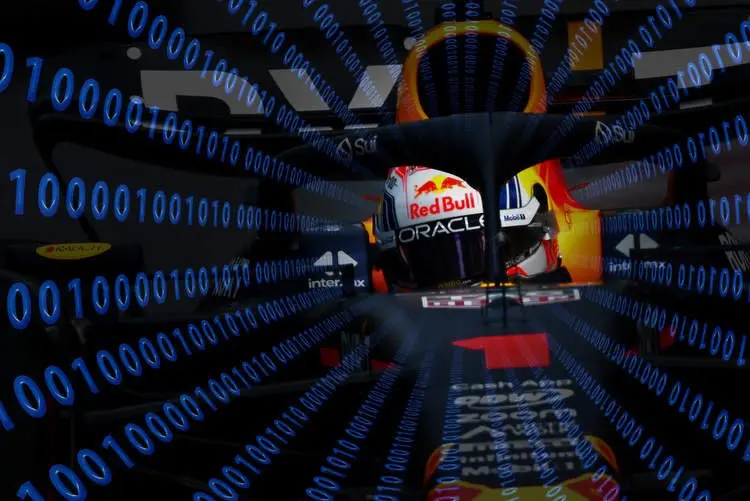
Formula 1 is a data goldmine. Every car is a high-speed computer, fitted with hundreds of sensors that track everything from tyre health and engine performance to aerodynamic forces and brake temperatures. Over a single race weekend, teams collect a massive amount of information.
When combined with historical results, driver statistics, circuit layouts, and weather forecasts, it creates the perfect fuel for an AI engine.
This is where a technology called machine learning (ML) comes in. ML models can be trained on this vast sea of data to spot tiny patterns and connections that are invisible to the human eye.
For instance, an AI could learn how one driver’s lap times are affected by wearing tyres at a hot circuit like Bahrain, and compare it to how a rival performs under the exact same conditions. It can analyze thousands of past races to understand the probability of a certain strategy working at a specific track.
The Chaos Factor: Why F1 Is So Hard to Predict

Despite all this data, Formula 1 has a wild, chaotic side that algorithms struggle to tame. This randomness is what makes the sport so exciting, and it comes from several key areas.
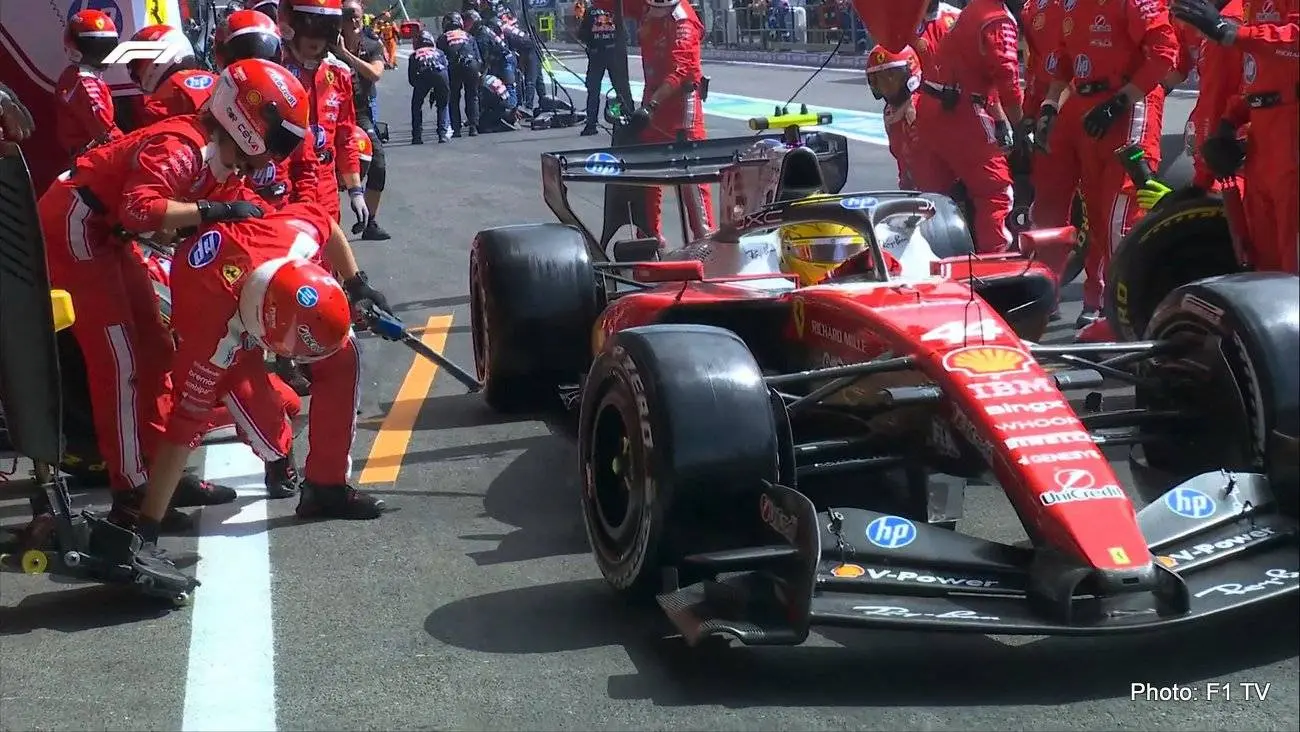
First, there’s the human element. An AI can study a driver’s past consistency, but it can’t predict a moment of pure, unrepeatable genius—a breathtaking overtake that defies the odds. Nor can it foresee a costly mistake born from the intense pressure of battle. The performance of the pit crew is another huge variable. A lightning-fast 2-second tyre change can win a race, while a fumbled 5-second stop can lose it. These are human moments, not lines of code.
Second is mechanical reliability. A car can be running perfectly one moment and suffer a sudden engine failure or gearbox problem the next. Teams work hard to prevent these issues, but they still happen, and they can strike any driver at any time, often without warning.
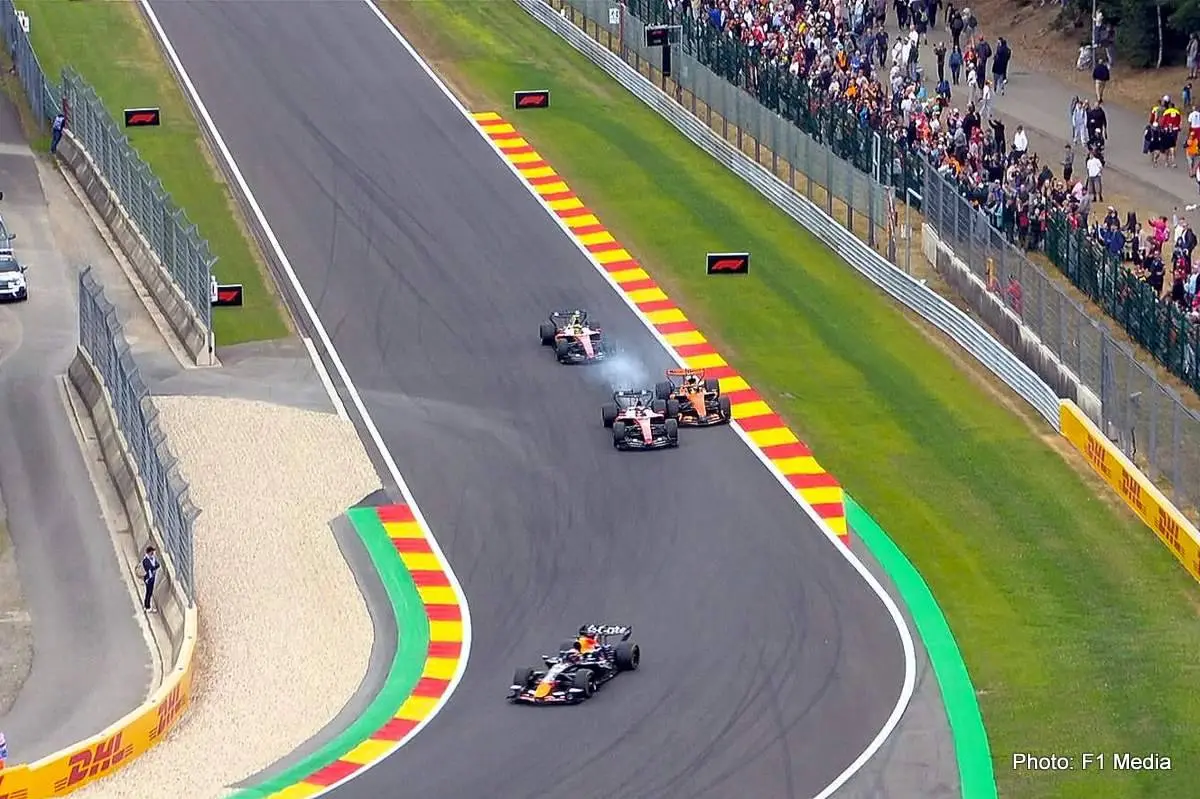
Then there are the on-track incidents. An AI might calculate that Car A is faster than Car B, but it can’t predict that the driver of Car B will put on a heroic defensive masterclass for ten laps, completely wrecking Car A's race plan. More importantly, first-lap collisions and the crashes that bring out the Safety Car can completely reset a race, wiping out any strategic advantage and turning the event into a lottery. The timing of a Safety Car is pure chance, yet it is one of the most powerful forces in modern F1.
Is Prediction Possible in Other Sports?

This level of unpredictability might seem like a roadblock for AI, but it’s not the same story in every sport. While F1’s blend of man, machine, and nature creates a perfect storm of variables, other major sports are proving more predictable.
In the world of football, for example, the rules are more fixed, the number of variables is more contained, and the influence of random events is arguably less severe than a sudden engine failure at 200 mph.
This has opened the door for platforms that use AI to forecast match outcomes with surprising accuracy. By analyzing team form, player statistics, historical head-to-head results, and even factors like team morale, sophisticated algorithms are already at work.
Pioneers in this field, such as the platform NerdyTips, are demonstrating that it is possible to apply powerful AI to the world of sports and generate insightful predictions. Their success in football highlights the difference in complexity; while F1 remains a chaotic puzzle, the world's most popular sport is already being successfully decoded by AI.
AI on the Pit Wall: A Strategist, Not a Fortune Teller

So, while predicting the winner before the five red lights go out is incredibly difficult in F1, it doesn't mean AI is absent from the pit lane. In fact, it is already a vital tool used by every team on the grid. The key is that its role is not to predict the future, but to help strategists make the best possible decisions in the present.
Amazon Web Services (AWS), F1’s technology partner, has integrated machine learning directly into the live broadcast and, more crucially, into the teams' strategic playbooks. These AI systems don't declare a winner. Instead, they run millions of simulations in real-time to answer critical questions that can make or break a race:
- What is the perfect lap to pit for fresh tyres?
- What is the probability that pitting one lap earlier than our rival (the "undercut") will work?
- How will a 5-degree drop in track temperature affect our tyres over the next stint?
The AI provides probabilities and data-driven insights, acting as a trusted advisor to the human strategists who must make the final call under immense pressure. It enhances human intuition, it doesn't replace it.
The AI might flag an opportunity, but it’s the human who must weigh that against the risk of hitting traffic or the feel of the car as described by the driver.
In the end, the dream of a perfect F1 prediction algorithm remains just that—a dream. The very things that make us leap from our seats—the human drama, the random chance, and the raw, unpredictable racing—are the same things that build a wall against computational certainty. AI cannot model courage, and it cannot account for pure, dumb luck.
The true role of AI in Formula 1 is not to spoil Sunday’s result. It is to deepen our understanding of this incredible sport, to sharpen the strategic battles, and to give teams the tools to navigate its beautiful chaos. The chequered flag, for now, remains wonderfully, thrillingly, unpredictable.
Latest News



Loading