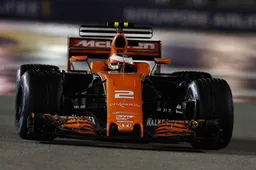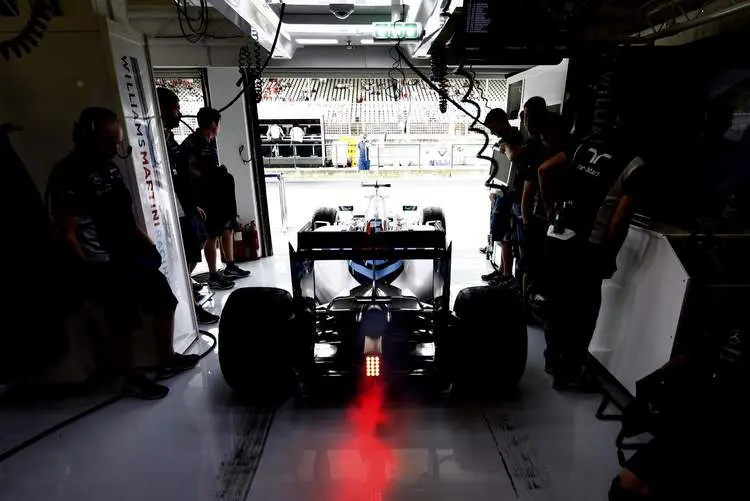
There are a number of changes to the F1 technical and sporting regulations for 2018, most of which are subtle, unlike those for this season. The exception is the introduction of a secondary roll structure, more commonly known as the Halo, which will have varying impacts on the car's Aerodynamics, weight and stability.
The structure, weighing approximately 10 kg, has resulted in a weight limit increase from 728 kg to 733 kg. With some teams right on this year's weight limit, they will need to lower the mass of current components by more than 5 kg to be able to run ballast next season, so there may some outfits slightly over the limit.
Overall, a laptime penalty of around 0.4s will result from the Halo thanks to the extra 5 kg overall, plus the fact that its high-up position is detrimental to stability.
Additionally, there will be an Aerodynamic impact, although this is minimised by the possibility of adding fins around the main Halo structure, which will make it more streamlined. Their positioning is limited to being a maximum of 20 mm from the main Halo structure, while also not infringing on helmet free volume and satisfying maximum distances from the car's centre and reference planes.
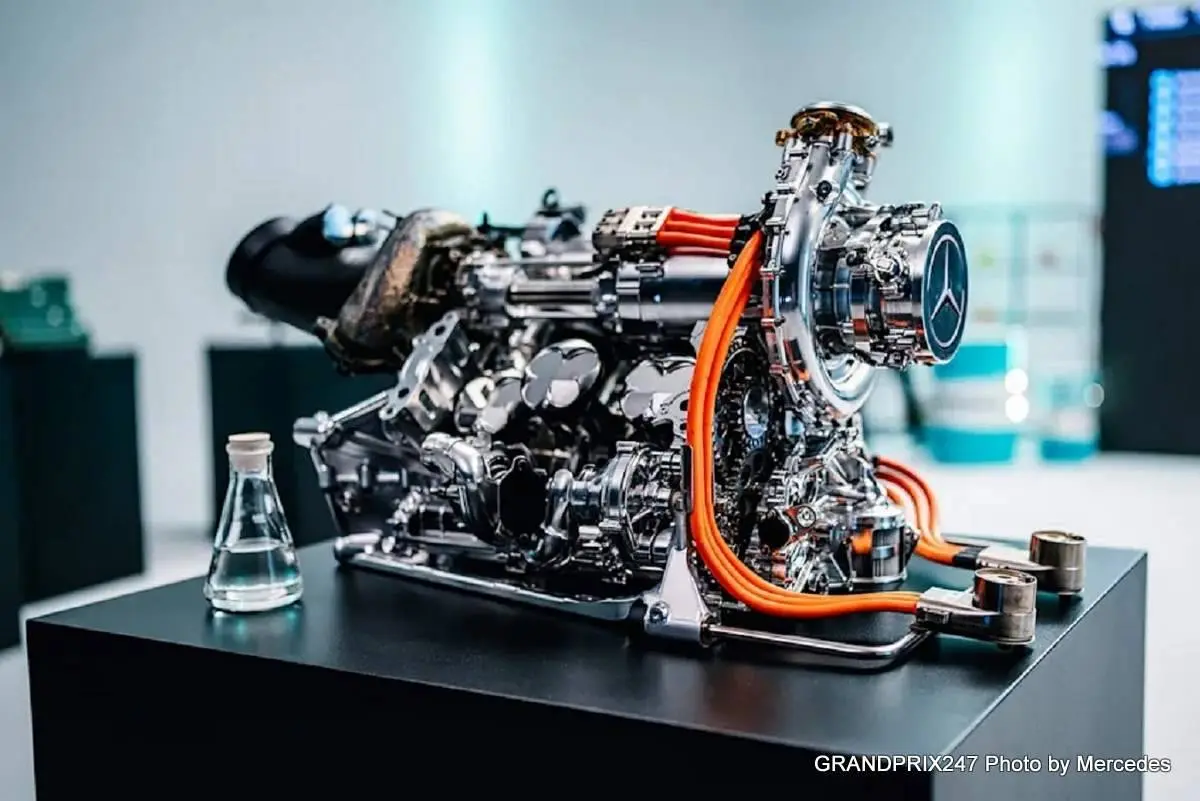
Elsewhere, the permitted oil consumption by engines will be reduced further, to 0.6 litres per 100 km, having already been lowered from 1.2 to 0.9 litres per 100 km for any new ICE introduced from Monza onwards.
This is aimed at reducing the amount of oil that is burned as fuel, especially during qualifying runs, with Ferrari and Mercedes units being the main beneficiaries of this. However, the loss in performance will not be overly significant, with reports suggesting that the technique provides an additional 5-10 bhp, so up to 0.15s per lap.
Also on the power unit side, the permitted number of elements of each component has been reduced significantly for 2018, despite attempts by certain teams to maintain the current allocation. This rule change is aimed at limiting the costs of power units but, in fact, has been taken too far, with manufacturers now needing to spend more to improve their reliability than what is saved by reducing unit production.
Unfortunately, a further problem with this regulation is that the number of grid penalties taken will likely increase, with those using a Mercedes power unit potentially requiring them as well.
One of the more publicised regulation changes relates to an area of great aesthetic debate earlier this season - the shark fin and T-Wing. While both were originally set to be outlawed for 2018, the former has been reinstated, as teams fear that the requirement to place large numbers and/or names on the car will result in sponsorship space, and therefore income, being compromised.
The fin's benefits are well documented, namely providing stability during sliding, while the T-Wing's on most cars are used as downforce generators, so there will be a loss of load at the rear for 2018. Additionally, the winglets above the rear crash structure, often referred to as 'monkey seats', will no longer feature next year, with the FIA becoming concerned about teams using exhaust blowing techniques for rear downforce gains, the most obvious two being Ferrari and Haas with their two-element set-up.
Again, there will be a loss of rear downforce, but more importantly, the consistency of the rear wing will be lowered, as the possibility of airflow separation increases distinctly. Perhaps the team that will benefit most from this change will be Renault, considering the R.S.17 has not featured a monkey seat at all this year.
Finally, the sporting regulations explicitly allow sets of tyres of the same specification to be mixed following qualifying. It will remain at the direction of the FIA technical delegate as to whether a tyre damaged in Q2 can be replaced for a top ten starter, so the new regulation cannot be applied here, where it would probably be most useful.
However, we could see teams using new tyres at the rear of the car, with slightly older ones at the front if, for instance, the track in question is rear-limited - this would allow the balance of the car to be kept closer to the optimum one as a stint progresses with differing wear rates at the front and rear.
See further analysis by Iman Hansra here>>>
loading
Latest News
Loading