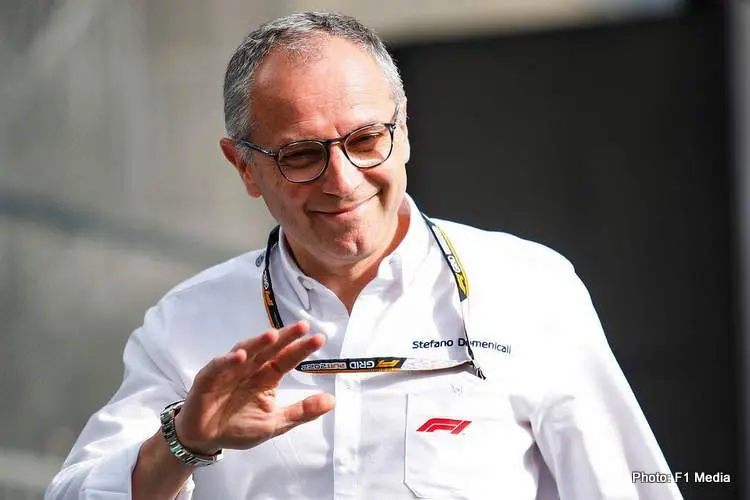
Formula 1 CEO Stefano Domenicali shed some light on the reasons the sport is heading towards a major regulation change in 2026 on both chassis and power units sides.
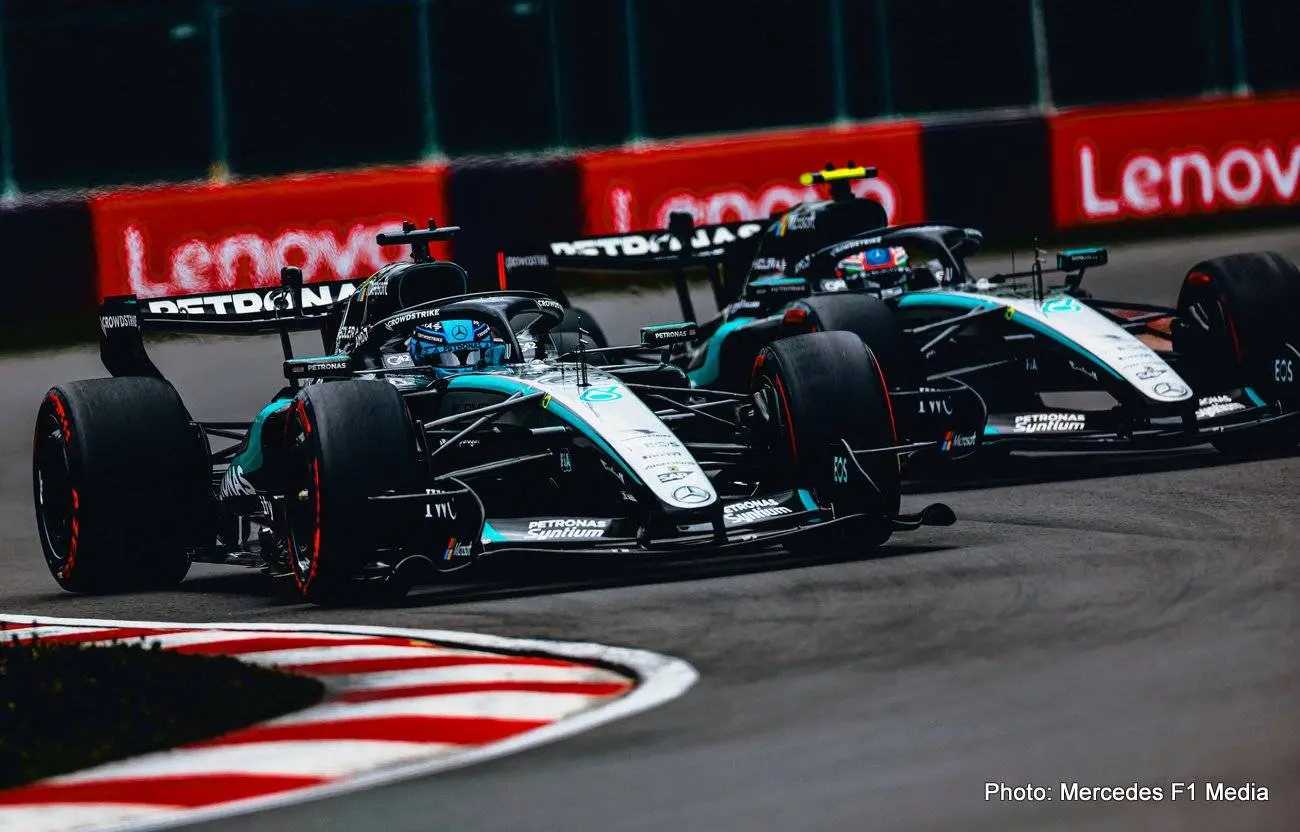
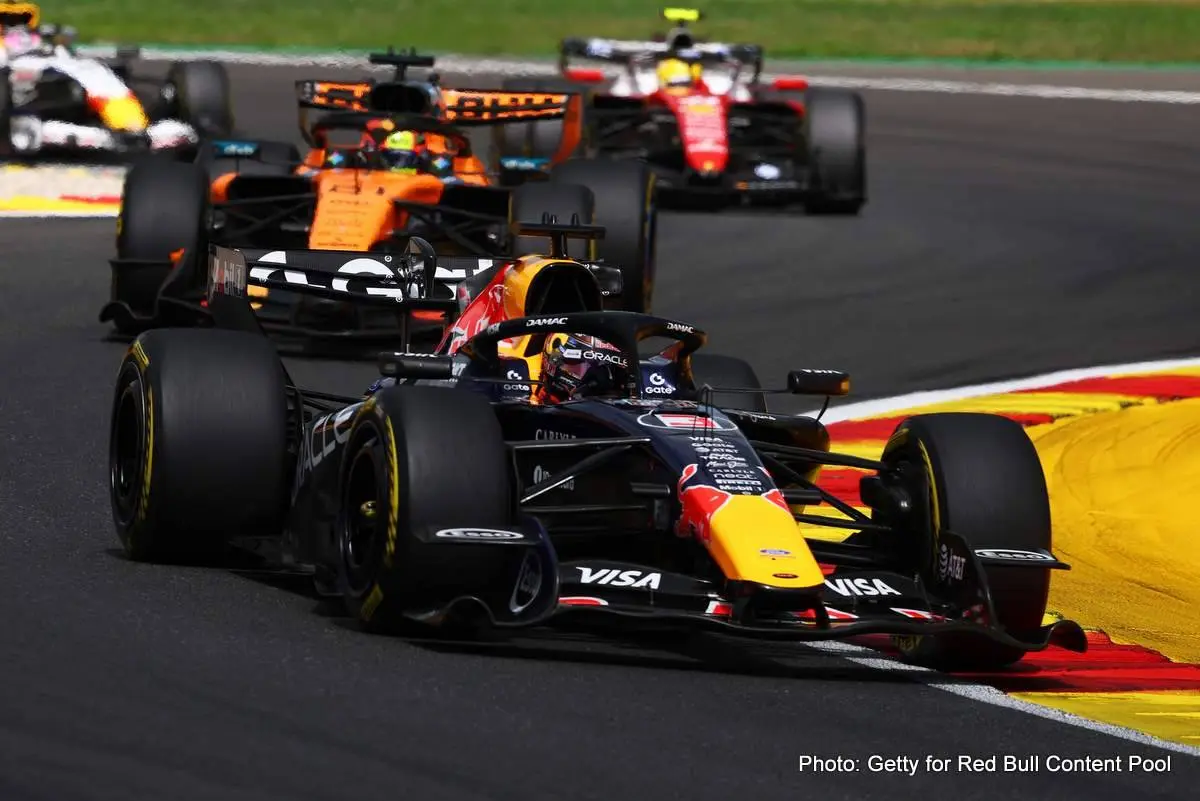
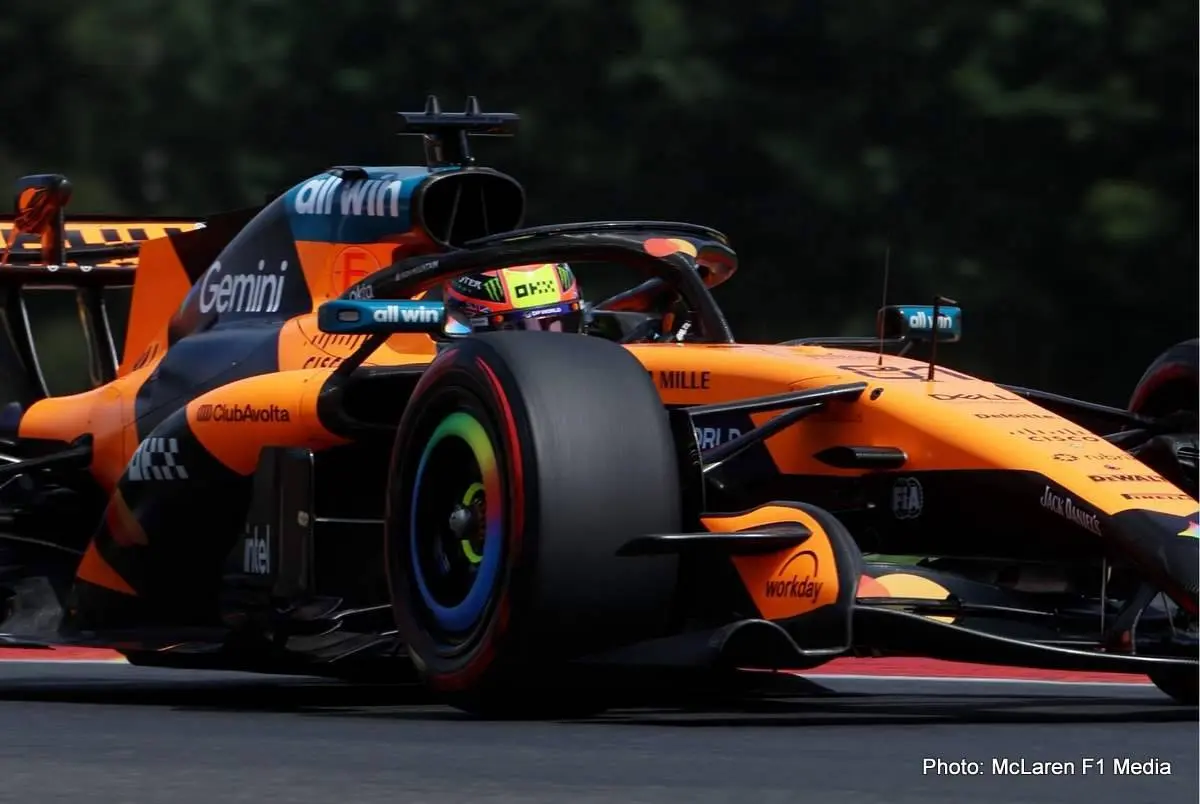
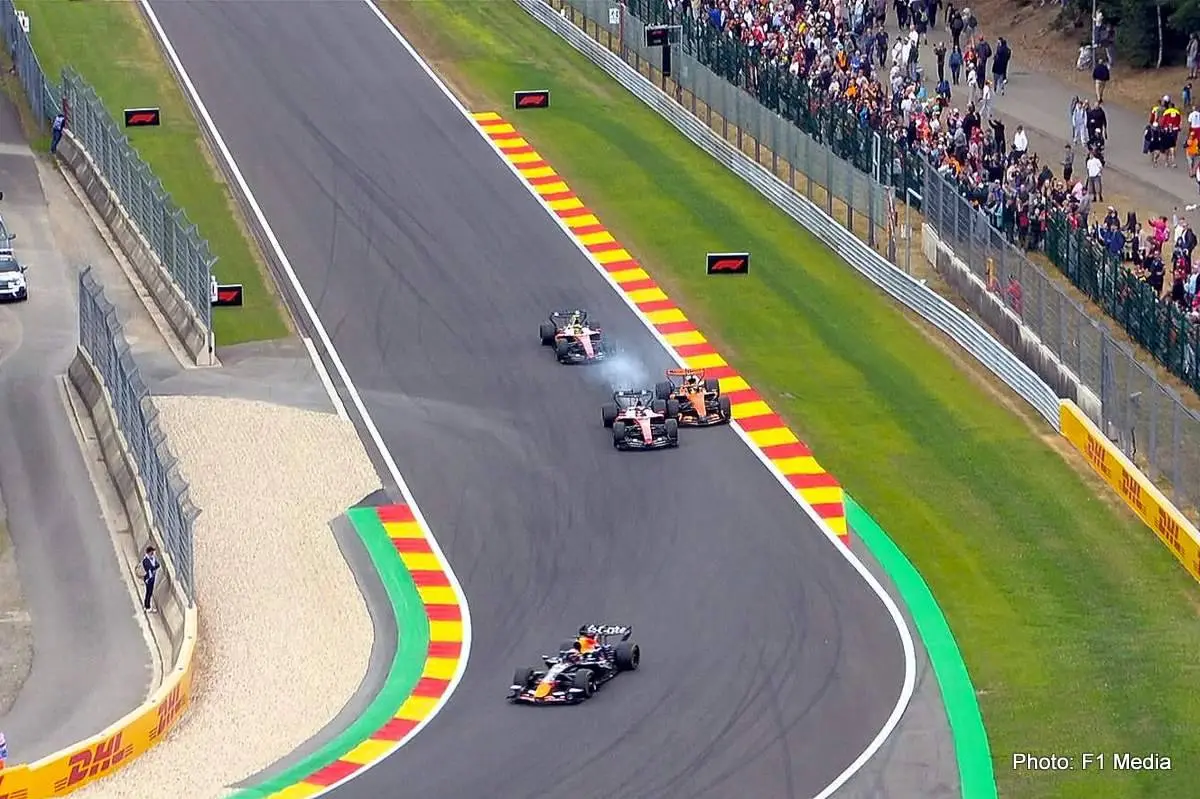
While the current era of F1 regulations is coming to and end, with 2025 being its final season, the racing has been great with four teams contending for wins and podiums each weekend, as Mercedes, McLaren, and somehow Ferrari, closing the gap Red Bull who dominated the sport since 2022, the time when these rules became effective.
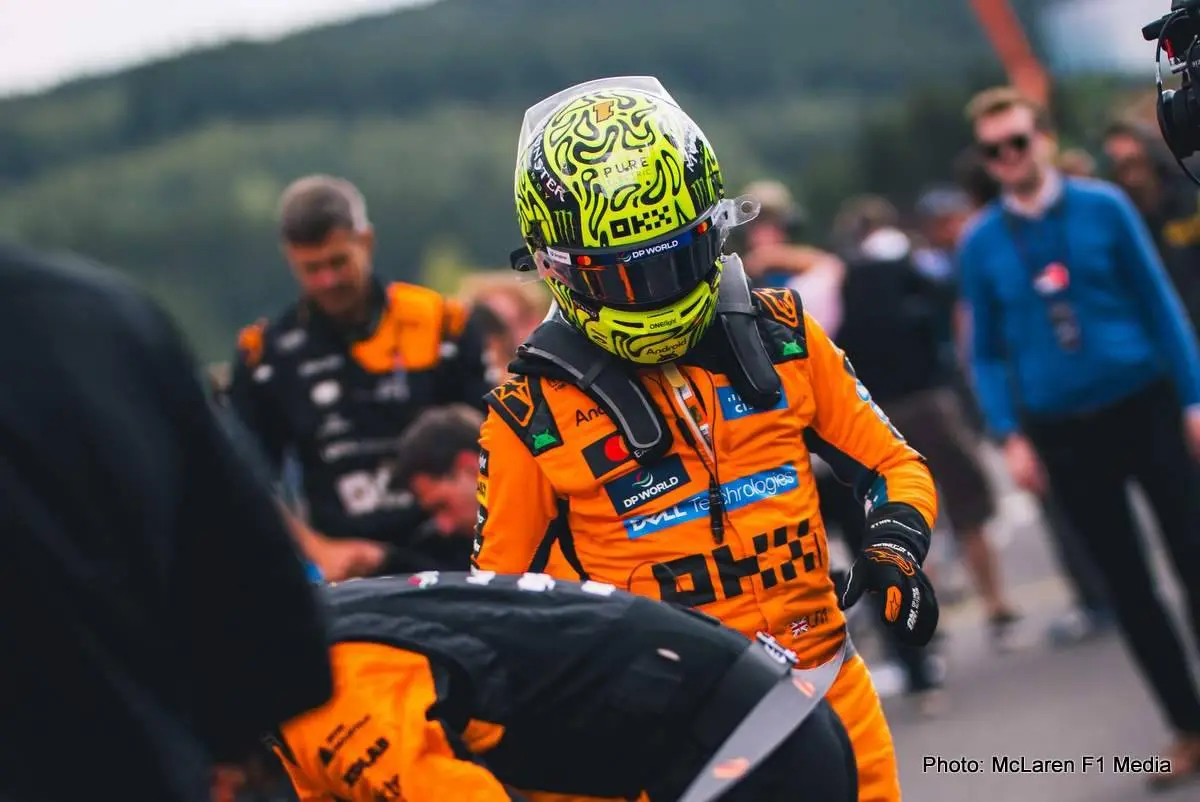
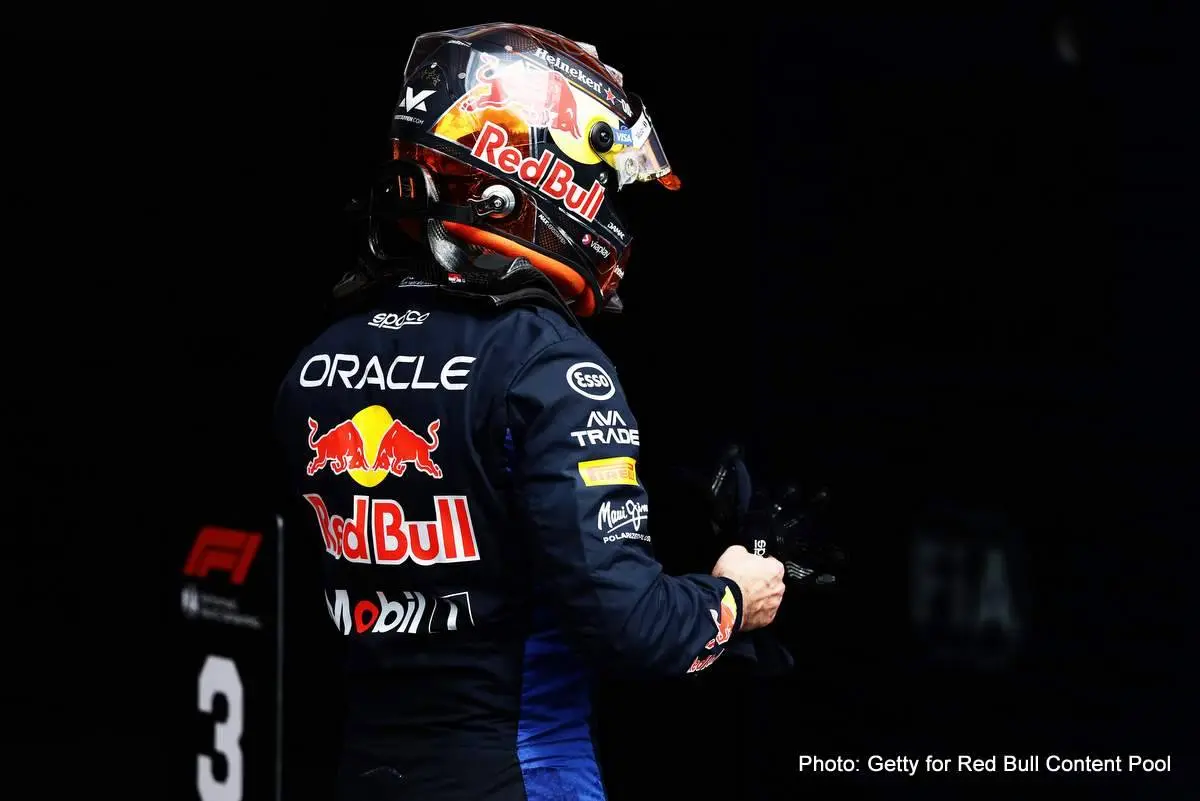
Domenicali is buoyed by how unpredictable F1 is these days as Max Verstappen faces a stern challenge form the like of Lando Norris, Oscar Piastri, Lewis Hamilton, George Russell, and Charles Leclerc.
Speaking in an interview with Motorsport.com, Domenicali said: "I'm very pleased to say what I said at the beginning of the year is exactly what is happening, when everyone was believing that I was saying that for political reasons.
"This will for sure continue until the end of 2025. This element of sporting action, and sporting drama, is definitely there," he added.
But as F1 team performances started to converge, making for exciting racing, it is questionable whether it was really smart to change the rules which may open the door for some teams to dominate like Red Bull did at the start of the ground effect era in 2022, and Mercedes before them at the start of the Turbo-Hybrid era in 2014.
F1 has to be ahead
But Domenicali see matters differently regarding the decision to launch a comprehensive regulation change in 2026, he responded: "There are always reasons why we are changing.
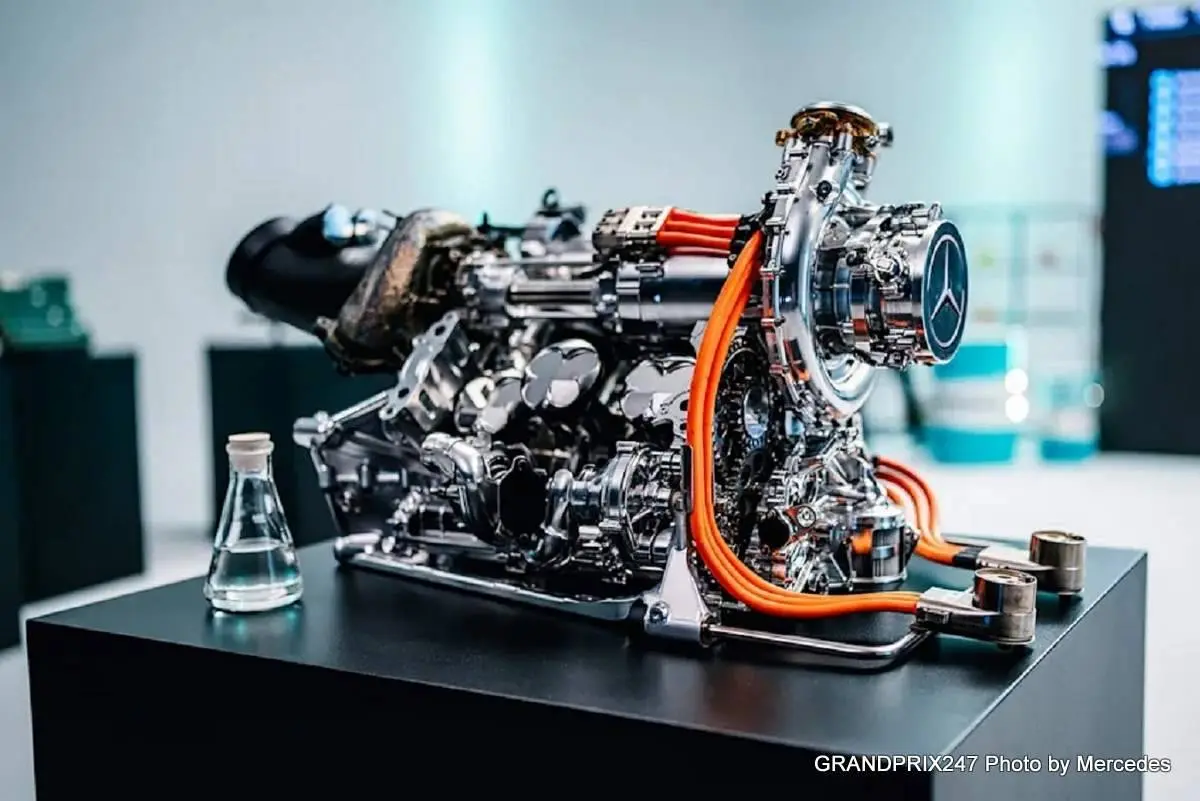
"First of all, because we need to be ahead of what we are doing. And this [2026] technical regulation was, at that specific moment that the decision was taken, related to a need for manufacturers to be involved in F1, with a different kind of technology that would need to be used. I do believe that is really fundamental and crucial.
"Plus, the fact that now we have sustainable fuel at the center of this technical project will speed up the process of making sure that this new technology will be available for the mobility world quicker. It will develop a drop in fuel with a lower price that will be beneficial to the market around the world. That I'm pretty convinced.
"As you know today, the price [of sustainable fuel] is much higher, but F1 has been always very good in speeding up the process and helping technology to go in the right direction.
"So that's really what I'm expecting, and I'm sure that everyone will work in this direction," the former Ferrari Team Principal maintained.
The 2026 F1 regulation change is quite a fast one as the current set would be four years old when it is dropped, so will there be another change for 2030?
Technological challenge will driver any future regulation changes
Domenicali explained: "This is a point of: is really now the time to do in 2030 another step change? We are not in a position to answer today, because we need to wait and see how this new technology will come in and how this will be developed.
"Therefore, there will be a point at which we need to discuss about it, and we need to understand if the need of the manufacturers, the need of teams and the need of the engineering, is definitely there as it was when there was the need to change the regulation.
"The need for change normally is put on the table for two reasons. One is because we are the pinnacle of motorsport, and we are endorsing the top level of technology.
"The second in the past was that, because it was pretty clear: the objective was stopping a dominance period of cars. I remember when we were dressed in a different colours [hinting at his days as Ferrari team boss], so that's part of the game.
"But now with the new elements of regulation, budget cap and aerodynamics restriction, I think that this point is not anymore on the table of discussion.
"So the real thing is technological challenge in the future. Is it relevant that the change will be in such a short time cycle of five years? That will be the point of discussion for the future," Domenicali concluded.
Latest News
Loading