Should F1 Stop Doing Street Races in Favor of Iconic Tracks?
F1 NewsThursday, 08 February 2024 at 01:19
Formula 1 has experienced an unprecedented surge in popularity in the United States, a phenomenon largely attributed to the Netflix series “Formula 1: Drive to Survive.”
This documentary-style series has brought the high-speed world of Formula 1 racing into the living rooms of millions, captivating an American audience with its behind-the-scenes look at the sport.
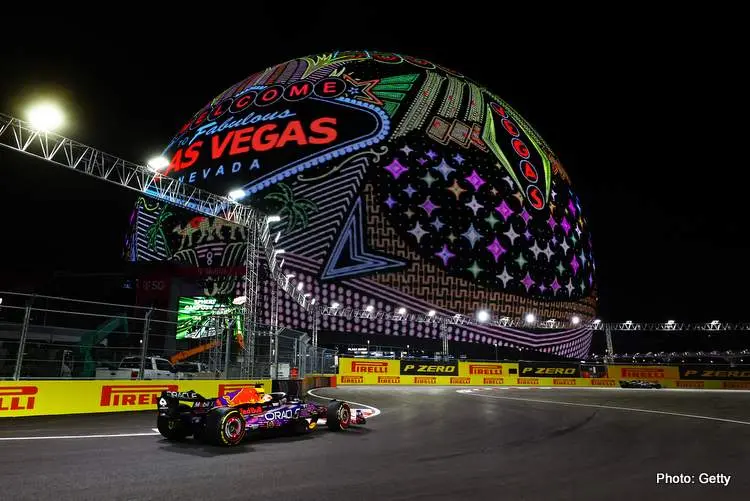
Interestingly, as the sport’s popularity grows, there’s a noticeable trend toward hosting races on street circuits, such as those in Miami and Las Vegas, rather than traditional racetracks.
This article delves into the exponential growth of F1 in the USA, the preference for street circuits, and the conversation around whether F1 should continue this trend or pivot back to iconic tracks like Virginia International Raceway.
The Netflix Effect: Drive to Survive’s Impact on F1 Popularity
The release of “Formula 1: Drive to Survive” on Netflix marked a turning point for the sport’s recognition in the United States. Before the series, Formula 1 was a niche interest among American sports fans, overshadowed by domestic motorsports like NASCAR. However, the series’ in-depth portrayal of the drivers, teams, and the intense competition has significantly broadened its appeal.
The storytelling approach of “Drive to Survive” has humanized the sport, making it more relatable and exciting to a wider audience. This increased visibility has not only boosted viewership numbers but also led to a noticeable uptick in attendance at races and engagements with the sport across various media platforms.
Preference for Street Circuits: Why F1 is Choosing Urban Locations

In the wake of this growing interest, Formula 1 management has strategically chosen to introduce more street races in urban centers like Miami and Las Vegas. This decision is driven by a desire to bring the action closer to the fans, leveraging the scenic backdrops of these cities to enhance the spectacle of the races.
Street circuits offer unique challenges to drivers and teams, providing thrilling races that are visually appealing for live audiences and television viewers alike. Moreover, hosting races in iconic cities significantly boosts local economies, drawing in tourists and promoting global cities as destinations on the F1 calendar.
Virginia International Raceway’s Legacy: A Mecca of Racing in the USA
VIR as it’s known is located in Virginia and it’s one of the meccas of racing in the USA, and is not only filled with thousands of activities for F1 fans but also has ESPN BET Virginia, who run specials for many local events.
This track represents the traditional heart of American motorsports, hosting a variety of racing events throughout the year. Its rich history and challenging layout make it a favorite among drivers and fans alike.
The venue embodies the spirit of classic racing, with its natural terrain and demanding corners testing the skills of the world’s best drivers. Despite its significance in the racing world, Virginia International Raceway has yet to host a Formula 1 Grand Prix, raising questions about the future direction of the sport in the U.S. and whether there should be a greater emphasis on including such historic tracks in the F1 calendar.
The Rise of F1 in the USA: Unprecedented Growth and Engagement

The exponential growth of Formula 1 in the United States can be attributed to several factors beyond the Netflix series. The sport’s deliberate efforts to engage with the American audience through social media, digital platforms, and strategic partnerships have played a crucial role.
Additionally, the introduction of the United States Grand Prix in Austin, Texas, and later street races in Miami and Las Vegas, have made the sport more accessible to American fans. This growth is not just in viewer numbers but also in fan engagement, with more Americans following the sport, purchasing merchandise, and participating in F1-related activities.
Street Circuits vs. Traditional Tracks: The Debate on Race Locations
The preference for street circuits in new American venues has sparked a debate among fans and stakeholders. While street races offer excitement and accessibility, they often lack the racing heritage and natural challenges presented by traditional tracks like Virginia International Raceway.
Critics argue that the move towards street circuits may dilute the sport’s essence, favoring spectacle over the pure racing experience. Supporters, however, see it as an evolution of the sport, necessary for expanding its global footprint and attracting a new generation of fans.
Economic Impact: Boosting Local Economies Through F1

Formula 1 races are major economic catalysts for host cities, bringing in significant revenue through tourism, hospitality, and media exposure.
The decision to host races in major urban centers is partly an economic strategy, leveraging the sport’s global appeal to attract international visitors and showcase the city on a global stage. The economic benefits extend beyond the race weekend, with lasting impacts on local businesses and increased international recognition.
Fan Experience: Enhancing Accessibility and Engagement
Street circuits in urban centers like Miami and Las Vegas enhance the fan experience by making races more accessible to a broader audience. These locations offer fans the convenience of city infrastructure, with a wide range of accommodations, dining, and entertainment options.
The immersive experience of a street race, combined with the city’s attractions, creates a compelling package for both hardcore fans and casual spectators, potentially converting them into lifelong followers of the sport.
Safety and Logistics: Challenges of Street Racing

While street races add excitement and spectacle to the Formula 1 calendar, they also present significant safety and logistical challenges. The temporary nature of street circuits requires extensive planning to ensure the safety of drivers, teams, and spectators.
These tracks must meet the stringent standards of the FIA, necessitating major modifications to public roads, which can disrupt local communities and require significant investment.
Environmental Considerations: The Sustainability of Street Races
As Formula 1 commits to becoming more environmentally sustainable, the impact of street races on host cities and their ecosystems comes under scrutiny. The construction and dismantling of temporary circuits, along with the influx of visitors, can have significant environmental impacts.
The sport is faced with the challenge of balancing its growth and popularity with the need to minimize its carbon footprint and promote sustainability in its operations.
The Future of F1 in the USA: Exploring New Venues and Opportunities

As Formula 1 continues to grow in the United States, the discussion about the types of tracks used—street circuits versus traditional racetracks—remains pertinent.
The inclusion of iconic cities and their street circuits into the F1 calendar reflects a strategic move to capture a broader audience by making the sport more accessible and visually engaging. However, the conversation about the future direction of F1 in the USA involves considering whether this trend should continue or if there should be a return to more traditional venues like Virginia International Raceway.
This balance between innovation and tradition poses a unique challenge for the sport’s stakeholders, as they navigate expanding F1’s footprint while preserving its rich heritage.
Miami and Las Vegas Races: The Appeal of Urban Street Circuits
The races in Miami and Las Vegas have been celebrated for bringing Formula 1 into the heart of major American cities, offering new and exciting experiences for fans. These events are not just races; they are massive entertainment spectacles, featuring concerts, exhibitions, and other attractions that draw in a diverse crowd.
The strategic choice of these locations demonstrates F1’s ambition to transform grand prix weekends into broader cultural events, making a significant impact on the cities’ global profiles and the sport’s marketability.
Traditional Tracks and Their Charm: The Case for Venues Like Virginia International Raceway

While the excitement of street circuits is undeniable, traditional racetracks like Virginia International Raceway hold a special place in the hearts of racing purists. These tracks offer a different kind of racing experience, emphasizing the technical skills of drivers and the engineering excellence of teams.
The historical significance and natural beauty of such venues provide a stark contrast to the urban glamour of street races, offering fans a more intimate and authentic motorsport experience.
The Balance Between Tradition and Innovation: Finding the Right Mix for F1’s Future in the USA
The question of whether Formula 1 should prioritize street races over traditional tracks is complex. On one hand, street circuits in major cities have proven successful in attracting new fans and generating excitement around the sport.
On the other hand, tracks like Virginia International Raceway offer a connection to motorsport’s roots, appealing to longtime fans and purists. Finding the right balance between innovation and tradition is crucial for F1’s continued growth in the United States. This involves not only selecting venues but also considering how races are marketed and presented to both new and existing audiences.
Fan Engagement and Accessibility: Enhancing the F1 Experience for American Fans

To sustain its growth in the USA, Formula 1 must continue to innovate in how it engages with fans. This means not only choosing exciting venues but also leveraging digital media, interactive experiences, and community events to build a deeper connection with the audience.
Whether through street races in iconic cities or traditional events at historic tracks, the goal should be to make F1 more accessible and enjoyable for a wide range of fans.
The Role of Media: Leveraging Digital Platforms for Broader Reach
The role of media, especially digital platforms, cannot be overstated in contributing to Formula 1’s growth in the United States. Beyond the traditional broadcast of races, F1 and its teams have embraced social media, video streaming services, and online content creation to engage with fans.
Platforms like YouTube, Instagram, and Twitter offer behind-the-scenes content, driver interviews, and insights into the technological aspects of the sport, making it more accessible to a younger and more digitally savvy audience.
The success of “Drive to Survive” on Netflix exemplifies how powerful storytelling and accessible media can attract new fans and keep them engaged throughout the season.
Economic Impact of F1 in American Cities: The Benefits of Hosting Grand Prix Events

Formula 1 races bring significant economic benefits to their host cities, from increased tourism and hospitality revenues to international exposure. The street races in Miami and Las Vegas, for example, have showcased these cities to a global audience, promoting them as premier destinations for entertainment and sports.
For local economies, the influx of visitors during race weekends translates to a boom in spending on hotels, restaurants, and attractions. The economic impact extends beyond the immediate financial gains, contributing to long-term growth and development in these urban centers.
Environmental Considerations and Sustainability: Addressing the Challenges of Urban Races
As Formula 1 commits to becoming more sustainable, the environmental impact of hosting races in urban centers becomes a crucial consideration. Street circuits often require significant infrastructure changes, which can have environmental implications.
F1’s sustainability strategy includes reducing the carbon footprint of events, promoting the use of sustainable materials, and minimizing the impact on host cities. Balancing the allure of street races with environmental responsibilities is essential, as the sport aims to lead by example in the transition to greener practices.
Conclusion: The Road Ahead for F1 in the USA – Embracing Change While Honoring Tradition

The future of Formula 1 in the United States looks bright, with the sport poised to expand its presence and deepen its connection with American fans. The debate between the merits of street circuits and traditional racetracks highlights a broader conversation about how F1 can grow while respecting its heritage.
By embracing change, leveraging media, and prioritizing sustainability, Formula 1 can continue to thrive in the USA. Whether through the electric atmosphere of a street race or the historic charm of a venue like Virginia International Raceway, the essence of F1’s appeal lies in its ability to blend speed, technology, and human talent into a spectacle like no other.
The challenge and opportunity for F1 in the USA are to continue innovating in ways that respect the sport’s past, excite current fans, and attract new ones.
Latest News

Loading