Ride Loud, Ride Strong: Harley Davidson Exhaust Systems That Deliver Both
F1 NewsSaturday, 19 July 2025 at 02:01
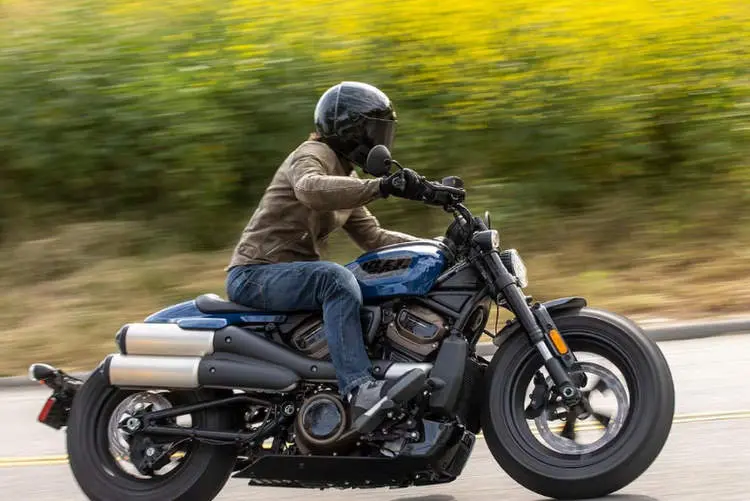
Harley-Davidson doesn't just sell bikes, it sells personality. The brand has rolled out dozens of legendary motorcycles throughout its century-long history, yet no two Harleys are identical.
Besides being big, burly and brimming with effortless power, Harley-Davidson's also the bikes that riders start customising once off the shop floor.
And with more original equipment and aftermarket parts to choose from than other bike brands, finding parts to suit personal tastes has never been easier. For anyone looking for more power from the V-twins, the first recommended mods start with airflow.
Assuming you've already fitted an aftermarket air cleaner for improved air intake, the next step is to optimise the flow of spent gases with aftermarket Harley Davidson exhausts. These add even more low-down torque, an exhaust sound full of character and presence, and the chance to experiment with materials, finishes and designs that best go with the bike.
Aside from factory-approved Screamin' Eagle exhausts that vouch for seamless fit and looks, most riders look to the third-party options to get what they want.
Why Change Your Factory Exhaust?

Factory Harley exhausts are second to none. They balance material choices, pipe diameters, build and overall designs with current noise and emissions regulations. And they're not the cost-cutting measure typical of other bike brands.
The aftermarket, though, opens up options for improved sound, better airflow with fewer restrictions, and more exotic designs for distinct looks and riding feel. With that said, aftermarket systems offer more of everything bikers want:
Power and Torque Gains
Touring and cruising bikes are all about torque, and the instantaneous push you get when twisting the throttle. But if you're after more power, especially higher up in the rev range, air intakes and exhausts are where to start. By improving airflow in and out of the bike, both parts get more out of the V-twin engines.
This is due to fewer restrictions (to meet noise and emissions standards), increased exhaust velocity and scavenging (with the expelled spent gases helping draw more intake air in), resulting in better and more powerful oxygen-rich burns. Real-world benefits are significantly better acceleration, easier overtaking and no hesitation when on the gas.
Louder, Fuller Sound
Stock exhausts are intentionally muted, again because of regulatory pressure. That is remedied with the dozens of sound profiles in aftermarket header and mid pipes, and the choice of mufflers. Wider diameter header and collector pipes (in 2-in-2 and 2-in-1 configurations) not only increase exhaust flow, but also help with exhaust velocity, producing a louder, deeper and fuller sound. Profiles can also be changed with pipe lengths and muffler configurations.
Choose drag mufflers for the loudest note and shorty or staggered pipes and mufflers (in titanium) for more aggressive, resonant sound. Also, experiment with baffles. Modified or removed baffles can provide more pf the characteristic V-twin rumble, while still meeting dampening requirements. A new option is electronic valving, which alters the sound profiles according to engine speeds.
Durability, Longevity and Aesthetics
Screamin' Eagle Harley-Davidson exhausts, including exhaust parts, are HD's high-end factory options. This covers a range of single and dual mufflers (Extreme Flow Titanium, Street Cannon, street Performance Staggered, etc.), slip-ons and full systems, built to higher specs with more durable materials and coatings, improved flow designs, and lower weight than standard parts.
The higher price, though, is what directs most Hog owners to the aftermarket. Here, choose from stainless steel, carbon fibre, aluminium, titanium and composite materials in exhausts that have been hand-built or shaped using laser cutters or CNC machines for tighter tolerances, with TIG welds for seamless transitions, and quality mounting brackets to ensure a tight fit, free from vibrations or leaks.
Exhaust Configurations and Parts for Your Harley

Compatibility is key, and not all aftermarket options are universal and fit every Harley. Bigger aftermarket brands, though, have work cut out when it comes to choosing what fits the bike and the engine. Choose from simple slip-on mufflers if tuning the sound is more of a priority, or full exhausts, with revised, and usually wider headers and mid-pipes for performance gains. Again, there's more variety in both.
Slip-on Mufflers
These are exactly as they say on the box - mufflers that slip onto mid or collector pipes to form a closed, integrated system. Designs vary from straight-cut, slash-cut, fishtail and megaphone with distinctive tip ends as styling cues. There is also a range of material and coating options, from stainless steel and titanium (in chrome, matte and powder-coated finishes) for the outer shells to aluminium and ceramics in the inner baffles.
Diameters, widths, lengths, whether the mufflers are straight or swept and the choice of internal baffles all impact sound profiles. Most Hog riders go for louder volumes and weight, but race baffles with high-pitched sounds can be good options for something like the V-rod or Harley's sportier Softail models and even the Pan-America ADV. Personal preference is the decisive factor.
Full Harley Exhausts
Full exhaust systems replace all factory parts from the manifold to the end caps. The revised designs with wider edge-to-edge piping improve airflow, bump up sound volumes, and help with engine efficiency. Reduced backpressure, increased exhaust velocity, and improved scavenging can potentially add up to 10 per cent more power, with noticeable gains in low-end grunt and more power near redlines. This translates to a livelier and more responsive bike.
Choose 2-in-1 systems if low-end power and torque is your priority (for faster acceleration), with dual header tubes converging in a single collector pipe, or 2-in-2 systems for more high-end grunt, higher top speeds and a more aggressive exhaust note. More complex, and arguably more expensive 2-1-2 configurations (with single collectors and dual mufflers) combine both, with the addition of improved scavenging and more leeway in upper tuning stages with engine upgrades like big-bore kits.
Opting for full systems also gives riders a clean slate when changing the styling. Established aftermarket exhaust brands (Vance and Hines, Cobra, Bassani, Khrome Werks, S&S Cycle, Akrapovic and Two Brothers Racing, among others) all have their unique styling traits, or specialise in full systems or slip-ons, while providing sound and performance upgrades with distinct design cues. They also differ in the choice of materials, production processes and metal treatment that determine looks and longevity.
To get the most out of your Harley exhaust upgrade, determine what's missing in your bike in stock form, and shop for slip-ons or full exhausts (in the configuration you like) matching your budget.
Latest News





Loading