Patrese: Verstappen in a Super League, able to win without the best car
F1 NewsWednesday, 25 June 2025 at 22:42
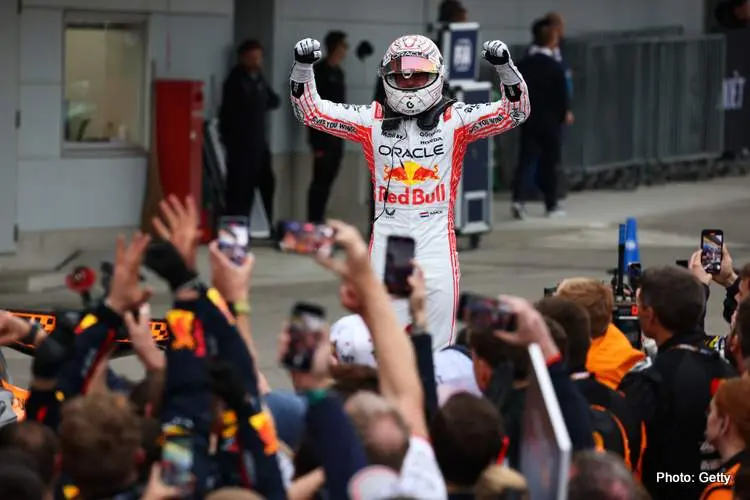
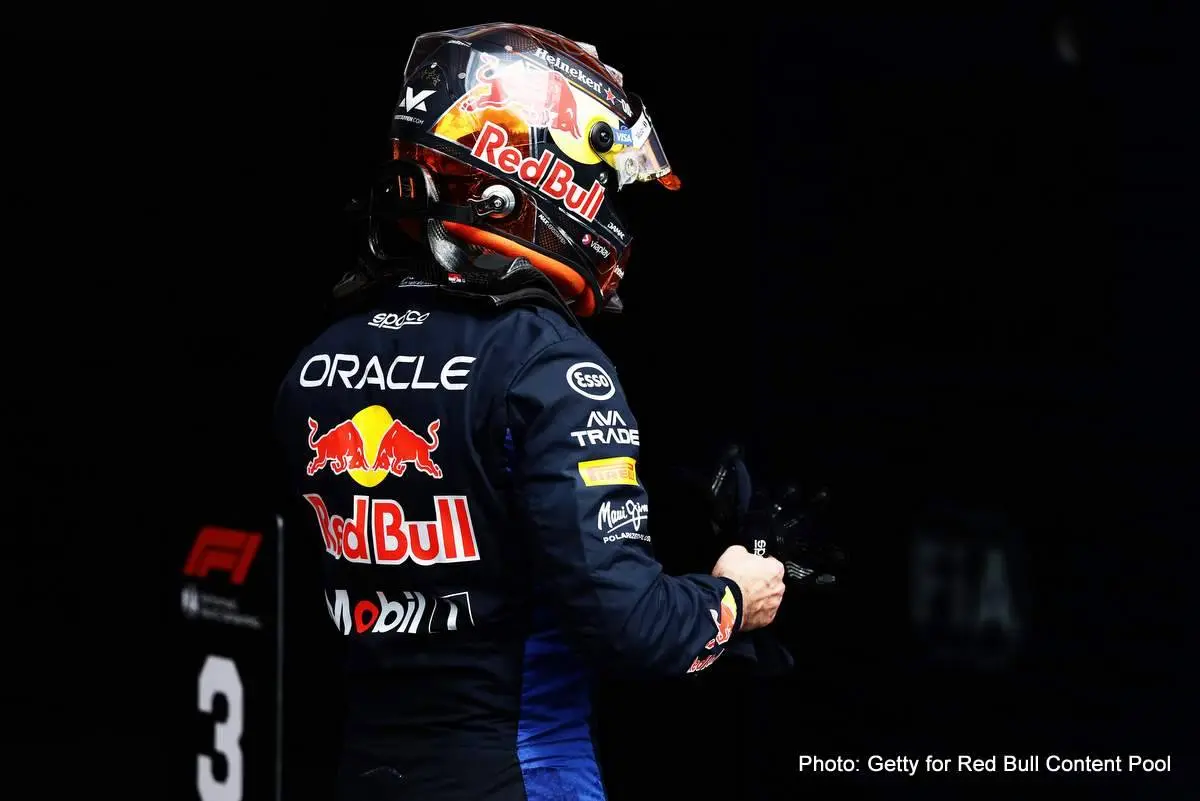
Riccardo Patrese has offered a broad and candid assessment of Max Verstappen’s place in Formula 1, praising the Dutchman’s driving "super league" skills and attitude while rejecting his suggestions of British bias within the sport.
A six-time Grand Prix winner, 71-year-old Patrese also reflected on his own controversial moments, drawing parallels between Verstappen’s aggressive style and his own early years in F1. Speaking in a recent interview, the Italian said that the Dutch ace belongs in a rare class of champions capable of winning without the fastest car.
Patrese began: "I cannot compare [myself] with Verstappen because he's already a big, big champion. He's one of those champions that I put in a super league where they can do the difference even if they don't have the winning car in their hands.
Verstappen is currently a penalty point away from a race ban, prompting speculation over what a suspension might mean for the reigning world champion. Patrese suggested it would have little long-term impact on the Dutchman: “I think that for him it's not a problem.
"I think he doesn't like it because he probably also has a penalty that he didn't agree to have. And if it happens that he loses the license, for sure he goes in his yacht and relaxes for two weeks to wait for the next Grand Prix. I don't think it's a drama for him, for sure.”
Patrese: Verstappen doesn't like to keep his mouth shut

Referencing The Red Bull driver's reluctance to do PR events, Patrese praised Verstappen's stance: “At the moment he is the only driver that thinks sometimes he makes old-style fighting and driving as it was in my time. I like this because sometimes he fights as he should. And also he doesn't like to keep his mouth shut as you know, at the moment everybody wants to shut up the drivers.”
He continued, “You cannot say anymore your opinion. Also this I don't like this much because if you say something a little bit different, then you get penalties and you even have to go and work on social media. So at the end, I think I like Verstappen because he's the only one who is now over all this situation that there are a lot of rules, a lot of penalties, you cannot talk and so on. Probably because it feels very strong because he's a four-time world champion.”
“So at the end he says what he wants and he does what he wants and he may be fighting, he loses the license, I think for him it's not a drama, he wins one race and then he comes back and maybe he wins the next race," added Patrese.
The Italian reflected on his own experience with controversy, particularly following the fatal accident at the 1978 Italian Grand Prix at Monza. Patrese was not officially banned but was sidelined from the following race after other drivers threatened to boycott the US Grand Prix if he participated.
Patrese: I had a problem with my aggression
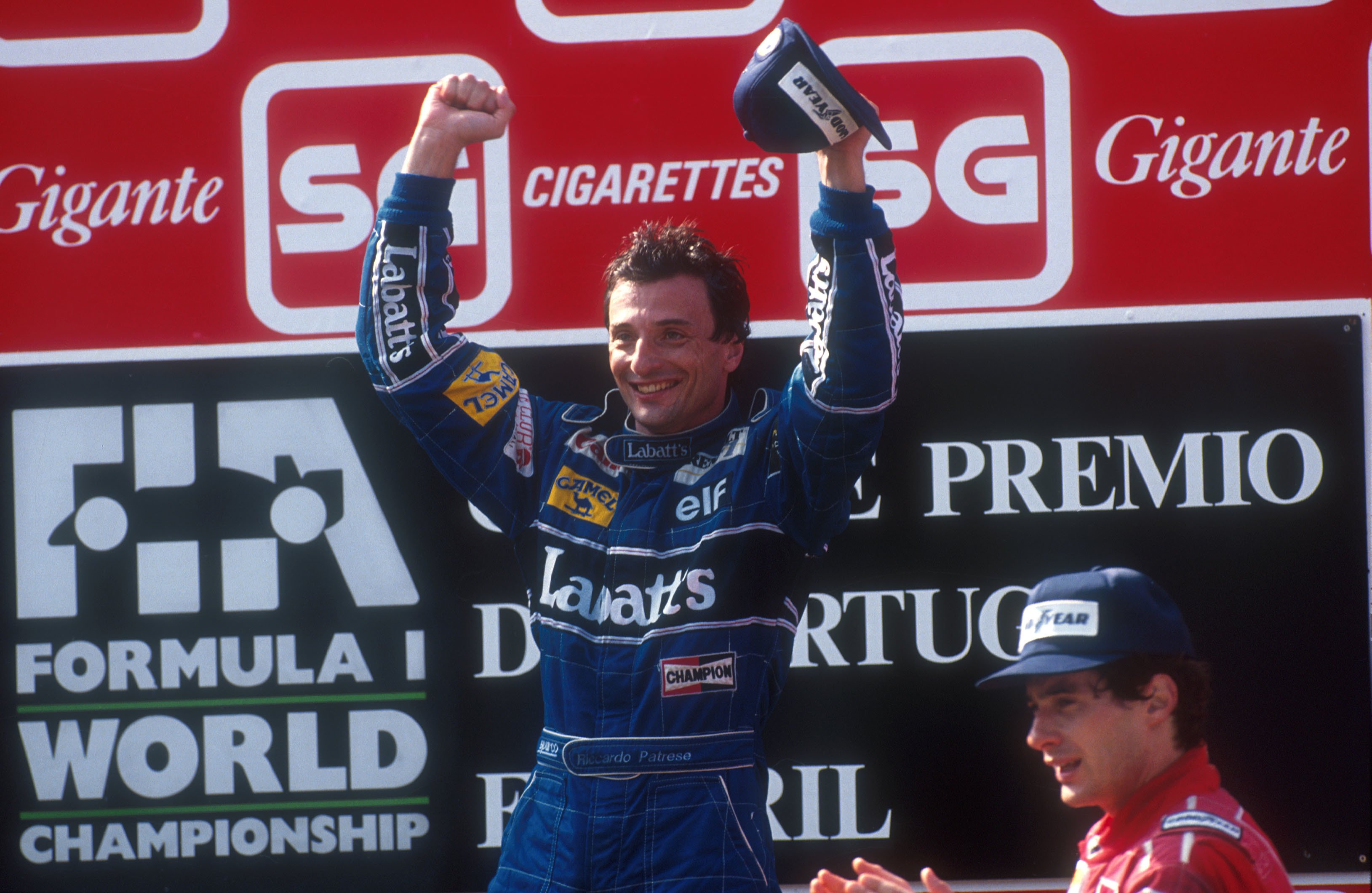
"I remember because you know I had the problem with my aggression at the beginning of the season, the Monza accident and all these stories from the senior drivers,” Patrese recalled.
“When Verstappen came and he was really trying hard to get his place in front and he had a criticism about this, in that particular moment of his career when he wanted to be quick and win if possible, it reminds me of me and the criticisms I had at the beginning of my season.”
Patrese described the modern era as one with far less freedom for drivers: “Formula 1 now is quite different from the time I was. All the sport has changed. Life has changed. So, you know, the philosophy now of Formula 1 is a bit different to the philosophy we had in the 70s, 80s, 90s too."
Patrese ventured: "If I have a choice, I like more what I did in my career with that atmosphere, with that kind of racing that was more genuine, more instinctive. Not many rules from outside that at the moment really, maybe sometimes it’s difficult to understand from my time at least.”
British bias in Formula 1?

When asked about Verstappen’s claim that British media and officials show bias in favour of British drivers, Patrese rejected the idea: “Let's say that, you know, no, I don't agree with him because of his passport. If James Hunt were Dutch, I don't think he gave any trouble during his career.
"I think the fact that he's special and opens the right doors at the right moment. And he could use all the opportunities he could have. Sometimes with these rules, he doesn't agree, but I don't think it's because he's Dutch instead of English.”
Patrese added with a wry smile: “Champions usually like winging a little bit. I know very well it's because I had Nigel in the team that he was winging all the time.”
(Source: Listofsweepstakescasinos.com)
Latest News
Loading